Episode Transcript
Brendon Orr (00:00)
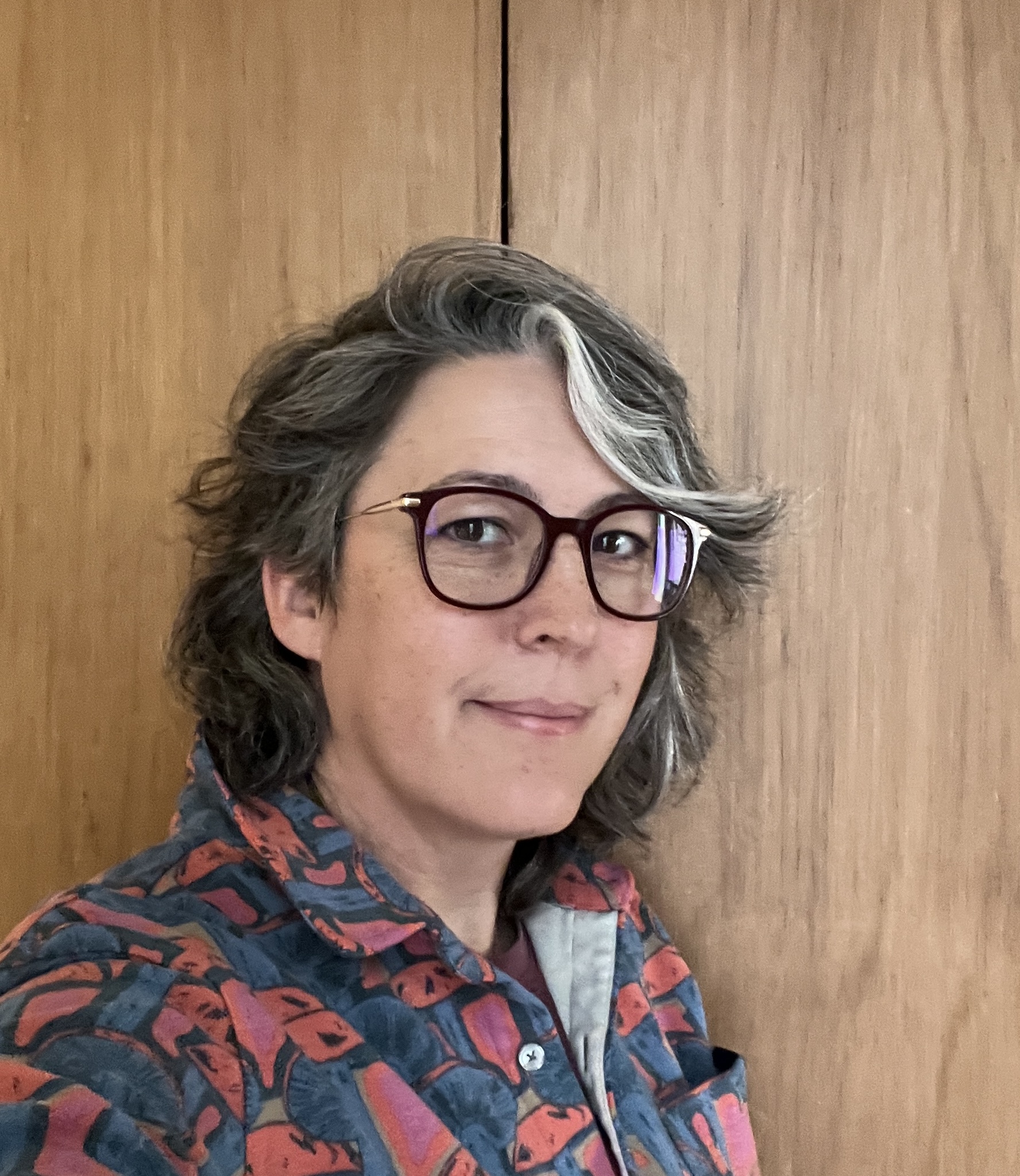
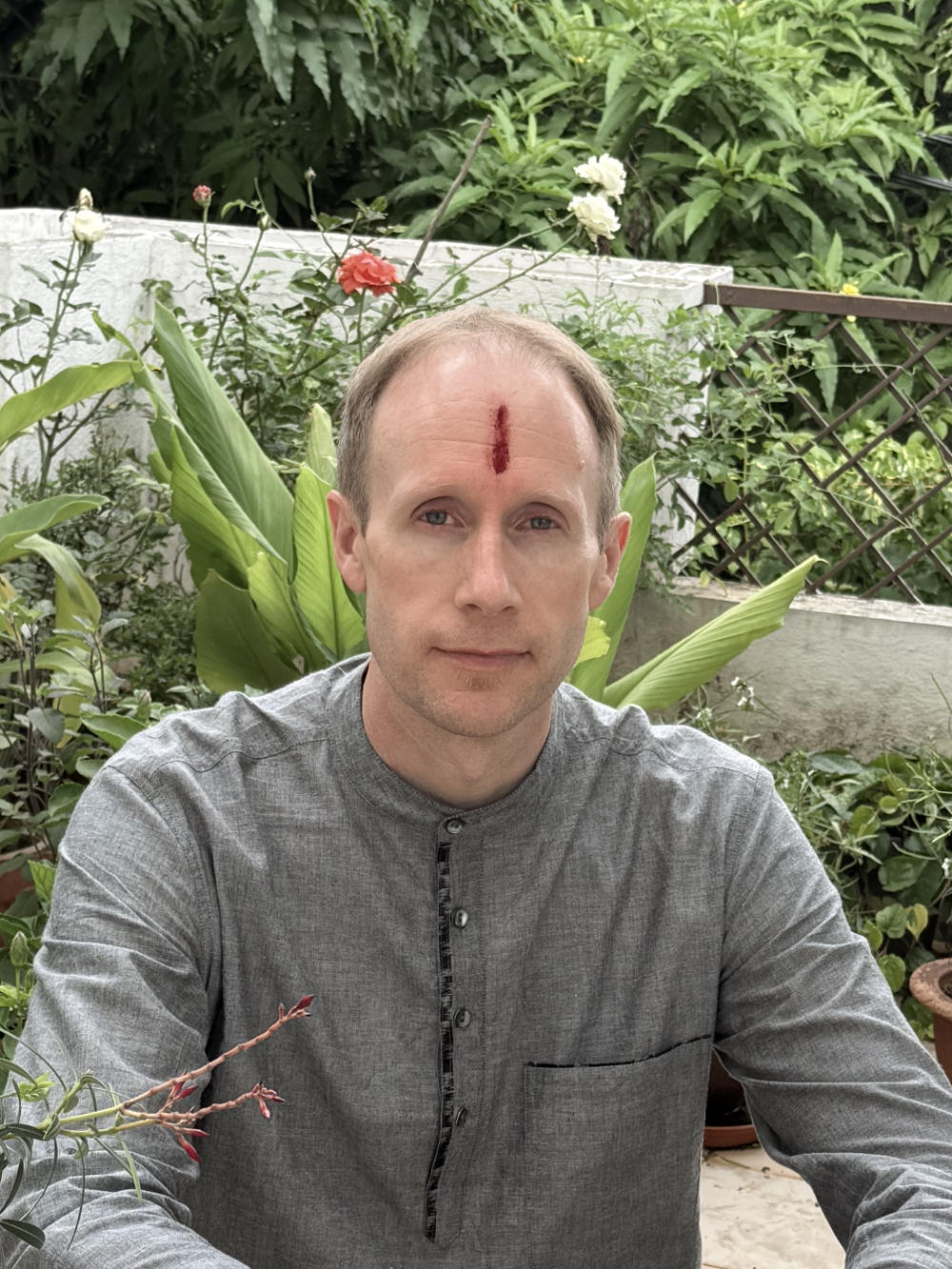
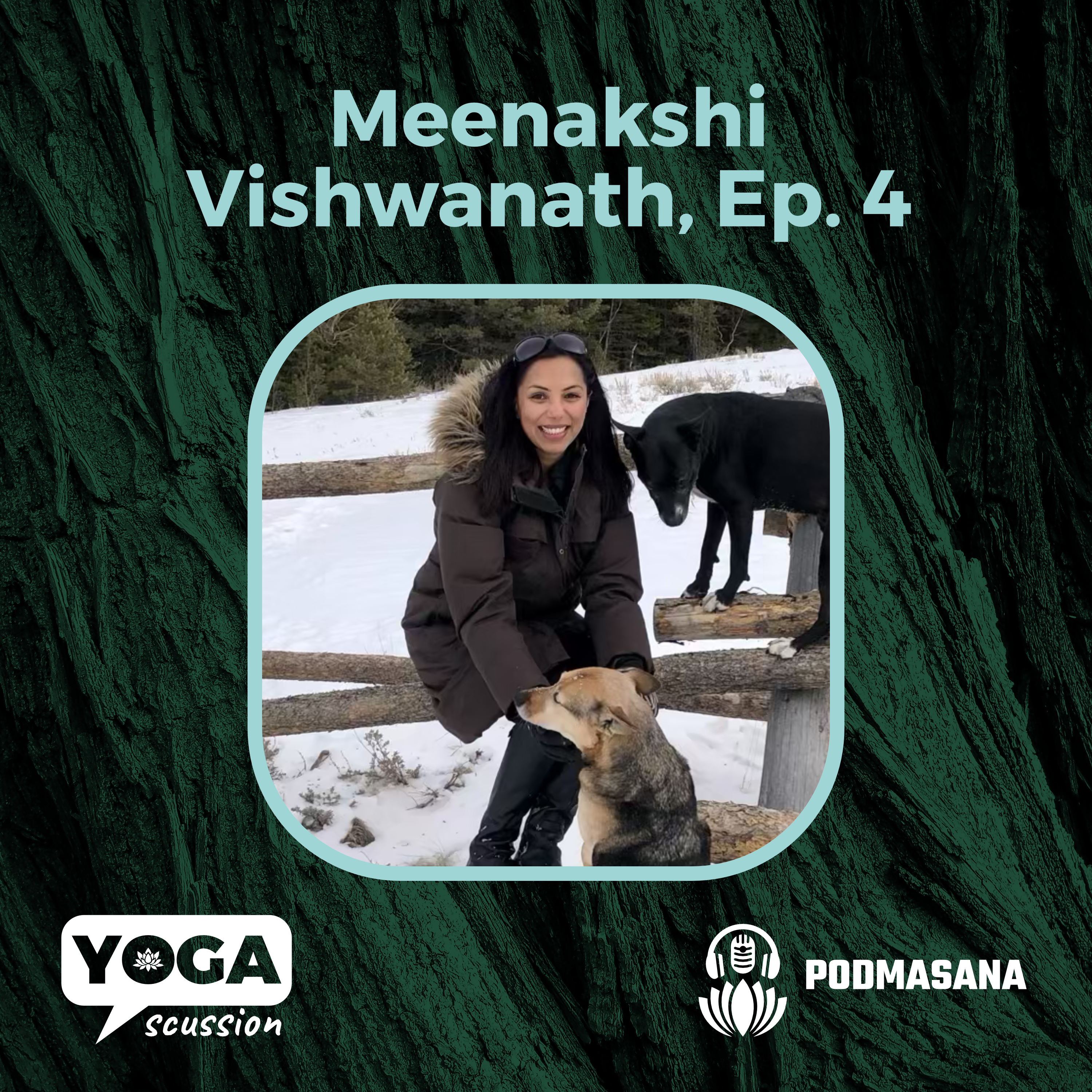
yeah, Gina, so kind of a exciting yoga discussion today. Yeah. With ⁓ Meenakshi Vishwanath, who happens to be my better half. And she'll be talking with us a little bit about.
Gina Clingerman (00:05)
Yeah.
Brendon Orr (00:14)
what it was like to grow up in India with yoga kind of like in the cultural periphery, you know, and how that kind of played out in her life as a kid and a teenager, college, and then of course with her interesting story moving to the United States and, you know, kind of seeing how yoga looks in the two different countries. Yeah.
Gina Clingerman (00:37)
Yeah,
very interesting. I'm excited to talk to her today.
Brendon Orr (00:40)
All right. Speaking of Meenakshi or Meena as I call her, she is ready to join. We will let her in.
Gina Clingerman (00:50)
Awesome.
Meena (00:50)
Hello.
Brendon Orr (00:52)
Hello! Namaste, Namaskar!
Gina Clingerman (00:53)
Hi, Mina.
Meena (00:54)
Namaste, thank you for having me.
Gina Clingerman (00:58)
So great to have you on today.
Brendon Orr (01:01)
Thanks for joining, Meena. So we were thinking, because you've got an interesting life story as it is, but obviously we'll find some interesting ways for it to connect to yoga. But you can maybe tell us a little bit about yourself and then kind of what your life looked like as a child in India as it pertains to yoga.
Meena (01:25)
About myself, okay, I am from India. I came as an immigrant to the US. I was an orthodontist in India and then I had to re-study and rediscover orthodontics. Same goes for yoga as well, I think.
Yeah, and I'm married to Brendon or so. So yeah, I think that's, that's a very general introduction.
Brendon Orr (01:45)
And it's been my better half ever since.
Meena (01:57)
So yoga has always been part of my life, but very much sort of in the background. So I grew up in India and mostly because of my mother, who has been incredibly forward thinking. She's always had this holistic mindset even before it was a trend. So you know,
And actually it goes back even one more generation with my maternal grandfather who used to do yoga every single day. I've never met him, but through these stories, I feel I know of him. And the family legend has it that he was a lawyer in the Supreme Court and India has only one Supreme Court, which is in New Delhi. So.
He was a pretty prominent lawyer. And as the legend has it, that he would do the seersasana, the headstand before going into court and fighting a big case. So yeah, she grew up with watching her dad do yoga. And so it was always part of her life. But we didn't have a structured form of yoga. But I was also a very chronically sick child.
And you know, so she tried naturopathy, Ayurveda, reiki, pranic healing, what not. And know, yoga was part of this mix. And I, you know, used to do some poses. My earliest memory of doing yoga is, you know, doing Padmasana with great ease or Chakrasana as we were fooling around on the bed. We didn't know what it was called, but...
you know, we had a four poster bed and then sometimes we would be hanging and doing some poses off of it and my mother would say, does this asana and she would also appreciate, you know, how bendy and flexible children's bodies were and, you know, so yeah, those are some of my earliest memories of doing yoga as really, this was a really young kid. And, you know, then we moved to Pondicherry and then
it evolved into a little bit more of a structured practice.
Brendon Orr (03:52)
Yeah. So when you moved to Pondicherry, were a teenager or college-aged? Middle school. Yeah. So what was it like both for you to move to a new area? Was the yoga scene different in Pondicherry? Like, what did yoga look like for you there?
Meena (03:58)
No, no, middle school. Yes.
I don't know if the yoga scene was different, but we just had, it was one of those serendipitous things where we had this, I think it was started in the 90s, but I think it existed even before that, this yoga ashram, which still exists to this day and age. And I think it has, and I've written this somewhere, it's called ICYER, which is the International Center of Yoga Education and Research.
This was there and it had a city center which was called Yoga Anjali Natyalaya. And ICYR is one of the founding members of the Indian Yoga Association. it existed and somebody like my mother was drawn to it like a moth to a flame. So she discovered this
It was sort of yoga chikitsa. They really it was medical. It was started by a doctor who had an M.D. And then his son, who also then obtained an M.D., took over and now runs the ashram. So they have integrated yoga into medicine. And so this was this was something wonderful for my mother, especially for my health. So I was sort of
dragged in there again with my mom and I followed whatever my brother did. So if he was doing something, it was worth doing. So I went along with them and started doing yoga. again, it was ⁓ sort of extracurricular. We did it during breaks. We did it during, especially summer breaks. It was more regular, but we weren't about to miss our school
After school, we went for extra classes because that's how India works. You go to these tuition classes to get more and more knowledge because you have to be competitive. whatever you didn't learn from school, you learn in these extra classes. So whenever we had time, it was still in the periphery. But yes, we did do some structured yoga classes.
Brendon Orr (06:14)
Yeah.
Gina Clingerman (06:15)
Was it, ⁓ I'm just curious, was it open to everybody? Did you just go or did you have to get like, did you have to pay or did you have to like go through an application process?
Meena (06:23)
Yes.
No, know. this we weren't I don't think we were doing it for the certificate. There were certificate courses and I think this there still are and they have always had a huge international learning in their main wherever their main thing was, which was I think by the beach. I don't think I've ever been there. But even at that time, they used to have huge swaths of people from the United States and Europe.
take their courses, stay there for six months in the ashram and get their certificates. Whereas what we were doing, I know we paid, which was a nominal amount. And I've told Brendon this, I went to a very age appropriate class. Most of my class were young women or teenagers. My mother went to a slightly different class for older women. My brother went to a boys and also
there were only women or girls in my class and a woman taught us. The male class was taught by a male and there were only boys in that class. So yes, it was age and sort of sex. Yeah, those divisions sort of did exist. But yeah, there was no application or anything like that. And we were not doing any sort of courses. We were just going there and taking those classes. Yeah.
Brendon Orr (07:26)
I was wondering.
And
there was yoga in physical education or PE as it's sometimes known here in the West. Yeah, right. I mean, that was a part of the curriculum or the physical education side of school. Could you maybe speak to some of those experiences?
Meena (08:02)
Yeah, so we had, you know, PE classes where we had to do, you we had a PE teacher and they would give us some exercises and in built into that, I guess, because we were in India. And I don't know if all schools did it, but our school, which was sort of a federally run, you know, government school, we probably it was incorporated in our syllabus, I don't know, but we used to have these, you know, yoga classes in middle and high school and
It was, of course, you know, we collectively rolled our eyes. It was not very cool to be part of that class. And I even remember that I wouldn't tell people that I was, you know, I was going in learning yoga on the side during summer breaks because I would be seen as less cool. I also rolled my eyes with everybody else. And, you know, we loved
monkeying about and then you know doing Shavasana and everybody's favorite asana was Shavasana and we would all it will be usually the last period at the end of the day and we would be all exhausted so yeah we love doing Shavasana so I just remembered yeah.
Brendon Orr (09:11)
So you're
telling us and listeners that the cool kids in India didn't practice yoga seriously. Is that what I'm hearing?
Meena (09:17)
I
don't think so. I don't know if it has changed now, but yeah, that's how it used to be.
Brendon Orr (09:22)
Ha ha.
Find it.
Gina Clingerman (09:27)
That's,
yeah, that's so funny because it could, it's such a like, it's such a like same thing, right? Like the things that we do in America as adults that like feel healthy and good to us, we wouldn't, they would not be the cool things that we would do as kids like P.E. class, you know.
Brendon Orr (09:45)
Yeah, yeah. I mean, I don't know, like now that I think back of PE classes, it did kind of seem like most people were not taking it seriously and just kind of goofing off. And then maybe the quote unquote jocks are really athletic. People would be taking it really seriously. So maybe there's some similarities there. I'm not, I'm not so sure. Yeah. So you're, you're in like middle school, your teen years, and you've got this family legacy of your mom being into yoga and Ayurveda.
Gina Clingerman (09:46)
Ha ha ha.
Brendon Orr (10:13)
and those stories of your grandfather practicing headstand before a court case. So did you feel like you were coming into that role or did you feel like yoga was actually something for you at this point in life?
Meena (10:29)
No, I think of myself as an on again off again yogi. I don't know if I can even call myself a yogi, but it's always been there. I've been taking it for granted that, it's there. it's, in Hindi, there is a saying, ghar ki murgi daal barabar means the chicken.
that is loitering around your house or your yard is equal to a lentil. Lentil is sort of considered the poor man's food. And then chicken or getting meat is a little bit more sort of exclusive. So I don't know. I didn't really think yoga was the big deal. Also, because of the Indian system for us,
doing well in school, the competitive nature of just trying to get into a professional school and sort of making it into a professional, into a profession itself was, it was quite competitive. So all your energy sort of focused on that. think typically of a developing country, middle-class family, you're sort of focused on that. And because it was
part of my family, so I was introduced to it. I don't even know if this is, I don't know how many Indian families actually, you know, even do that. I know, like, I used to see these kids again in the yoga ashram in Pondicherry who grew up in nearby villages and they were close to the ashram. You know, they would come and they would do yoga. I would see those kids doing it because probably they had access, they were close to the ashram.
And probably people who had the money and yoga was a thing that they could allocate time to did it. But I don't know, middle class, upper middle class, were probably one of the few. I knew some doctors in one of the big medical schools. I grew up close to that. Some of those doctors really, really were into yoga.
they were parents of my friends. So I knew some of these doctor uncles, as we call them, being ⁓ into yoga and trying to incorporate it into physiology and medicine. But yeah, I don't know how much it was part of the day-to-day life. So for me, it was there, but I don't know if I really realized how much of a gift it was. And I don't know if I still do. I'll be very honest.
Brendon Orr (12:56)
Mmm.
Meena (13:00)
Hehehehe
Gina Clingerman (13:01)
I think that's very human, you know, to realize that like what a great tool it is. And sometimes we still take our yoga for granted in whatever form it comes to us. I'm really curious when you moved to Pondicherry, did you, and you started doing more yoga and your mom was getting more into that. Did you notice that your health got better or did you kind of maintain that same?
Meena (13:10)
Yeah.
No, yes, my health did get better, but more than yoga, would attribute it to me really getting into playing sports, especially basketball. I would perpetually not be hungry and consuming food was a laborious task for me for a long time. But when I really started playing and doing track and fields and basketball and all of this stuff, that's when I really...
understood, you know, ⁓ person can get really hungry and, you know, food was food was something which could, you know, satiate hunger. So, yeah, I don't know, I always felt, you know, my mother would be like, kept, I keep waiting for this girl to ask for food. you know, that's that was never asked. And that's why she was trying various things to see, you know, so
It could be yoga, it could be a combination of everything she was doing. But for me, I think a distinct change came when I really became extremely physically active.
Brendon Orr (14:26)
Yeah.
then the, know, we've touched on like how much yoga was a part of your life or maybe the average Indian's life. And maybe that's related to, you know, class life circumstance to a certain degree. Now, since you've been able to travel back to India and, know, there's been a little more re-emphasis on yoga's role in Indian identity. There's that big sculpture in the New Delhi airport of the Surya Namaskar.
⁓ statues essentially winding around a spherical shape, which could be the sun. As someone who grew up in India, where yoga was there, maybe it wasn't like a super close core aspect of your identity, but seeing what it's becoming, would you describe it as a resurgence? Or what is your perspective on what could be yoga's re-
you know, becoming a part of Indian identity again.
Meena (15:22)
Yeah, no, think there has definitely been a resurgence already in mention, especially, you know, with our current head of head of state, our current prime minister and his emphasis on yoga. So I definitely think there has been a resurgence. Again, it has always been part of our ethos. It has always been there. I, you know, in preparation for this yoga discussion, I was even looking at the various yoga centers because I'm familiar with one or two.
And I was looking at these various yoga centers and there's some really old centers in Bombay, now known as Mumbai, started in 1917 or even earlier. So they has been in pockets in all parts of India, these old ashrams, yoga centers. Rishikesh has a very old one, the Shivanananda Ashram. But I think it's...
It became either you belong to the ashram and therefore you did yoga if you founded or layman really it was it didn't influence much. But I think now it is thanks to some conscious teachings on TV and certain people, certain forms of yoga becoming famous and this political push. think now it is definitely a little bit more.
has permeated the Indian society, I would say, which is nice to see, which is nice to see because I was, again, as I've told Bren, very surprised by how popular it is in the United States.
Brendon Orr (16:43)
Mm.
Yeah.
And then maybe that's a good segue because you you have this, you know, I don't know, maybe calling it arduous would be not giving it full credit, but you have this try and experience, this challenging experience, moving to the United States, rebuilding yourself and your career. And you had some experiences, even where you were in school in Connecticut, as I understand it, where you had opportunities to be encouraged.
to do yoga again. Could you maybe speak to like this time in your life in Connecticut?
Meena (17:28)
Yeah, so I moved to the US about now 14 years ago and not willingly. I don't know if there is anything I really do, you know, very enthusiastically or willingly. But anyway, it was also a period of deep depression for me. It was a tough time in my life. then I moved and then I had to study.
you know, all over again, study orthodontics all over again. And it's really competitive, you know, in any part of the world, but in the US particularly really competitive. And, and again, some professional and personal setbacks. So, you know, I was starting over academically, I was navigating this mental financial stress, I was adjusting to new culture, trying to prove myself all over again. So it took everything out of me. And I
felt I had no energy left for anything physically demanding, yet alone yoga. And I know Brendon would say, and so would my mother and my maternal uncle who's into yoga, that this is when I should have leaned into yoga. And when I was having these hardships and really tapped into it, but I don't know, I just couldn't. So that was a period of.
long period of time that I wasn't doing yoga. But I think in about the fifth year or sixth year that I was here, which was also the last year of my residency, my little Sib, and I'll give a shout out to Melissa Landon Ramos. She was my little Sib in the orthodontic residency program. She told me about this free yoga class that they were doing at the Wellness Center or at the med school or something at UConn Health.
We would finish our patients, quickly jump into the car and run to the other building, you know, to do this, to take this yoga class. So that was my first introduction to yoga in the United States. And almost there would be doctors and nurses and allied health professionals and residents, of course, with their mats. And there was this large room which was filled with people. And I was just so, you know, that was the first, I was like, my God, I thought, you know, I didn't realize so many people are so interested in.
doing yoga in the US. So pleasantly surprised. Yeah.
Brendon Orr (19:44)
Yeah, I wonder how much of that was, you know, them navigating, you know, the trying experiences and their schooling, like maybe stress, So it's not entirely surprising to hear that so many people in the medical field were seeking it out. But you also, you were also kind of observing some differences between the yoga that you were familiar with, from growing up in the United States and how it was presented or how it was practiced.
here in the United States. ⁓ Would you be able to maybe speak to that a little bit in terms of some of the similarities or differences?
Meena (20:18)
Yeah, yeah, the similarities were there, of course, you know, because I think the surya namaskar is the surya namaskar. And so I again, it was, you know, I was pleasantly surprised to see, you know, the surya namaskar, as I knew it, being practiced as I could, you know, remember it from many years ago, the Sanskrit names that were being used. And
differences like Chaturanga. had never heard of Chaturanga, so I was like, I don't know what that is, you know, and so I would look around and I'd see what people were doing. And, and of course, you know, the, think the thing which really stood out is people were doing various things and there was nobody like going about correcting them. Whereas in India, it was a little bit more prescriptive. were
Gina Clingerman (20:45)
you
Meena (21:04)
you know, adjusted often or you were told you were doing, you know, your knees had to be straight or your toes had to be one way or the other. And people were doing either way. And, you know, it was OK. And I wondered, is it because we had too many people in this hall? Later, I came to know, you know, there is some freedom. Whereas in India, it was a little bit more prescriptive, even to the extent that this is where we stop and you all sip some water.
You know, we were even told, we were given instructions even, you know, at which point we stop, at which point we sip water or, you know, go into child's pose and stuff like that. So it was, it was interesting. And I think the other interesting thing was, again, it was probably one of my co-residents or one of, you know, one of the orthodontic residents at year or two below me who is like,
asked me about Ashtanga, like do you practice Ashtanga? And I asked him, what's that? I have been practicing yoga for so long, I have no idea what Ashtanga is. And when I read it up, I realized it was a very specific form of yoga which was brought to the US. And therefore in India, have, I think yoga is more known as yoga.
Brendon Orr (22:02)
You
Meena (22:18)
from Mysore or Ayanga Yoga or something like that. I don't think Ashtanga, Vinyasa, flow, all of these for me. Or maybe it's just my ignorance, things I learned in the United States. It was not something that I was familiar with in India. Yeah.
Brendon Orr (22:34)
Mm-hmm. Mm-hmm. Yeah,
it's interesting how it shows how kind of like complicated and multi-threaded it is, you know, how you can have this export from India to another part of the world that even like people from that same country aren't super familiar with for whatever reason. Yeah.
Meena (22:53)
Yeah, I understood the word Ashtanga, Ashtanga, you know, the eight limbs, which was Patanjali's original, but I didn't realize, you know, it had been termed as a form of yoga, which I think is specific to Patabi Jois I think that's what I read.
Brendon Orr (22:56)
Of course.
Mmm.
Yeah. And I liked how you're touching on these differences in terms of kind of what the conventional norms are for the lack of better way to describe it in terms of how, you know, the type of teaching or instruction might be, you know, a little more precise. believe the word you used, maybe a little bit more strict, you know, maybe more specific expectation. And then thinking about how
Meena (23:28)
Mm-hmm. Yeah.
Brendon Orr (23:34)
Especially in modern times in the U.S. There's a lot of emphasis like on individual preferences, or space. Like as Gina is another like teacher and practitioner in the States for long period of time, like, what do you think of this comparison?
Gina Clingerman (23:48)
Yeah, I think it's really interesting because, and I don't know if this is how it is in India, if teachers are getting like a pretty intense anatomy in their teacher trainings. But like one thing I've noticed in teacher trainings in the US is that as a teacher, well, when I first started teacher training, we had a small anatomy section. We talked about, know, compression and tension and orientation in the body.
But as I got deeper into teacher training, anatomy became this very intense study of like, we need to know how bones are shaped. And I think it's really interesting because in a forward fold, say I'm doing that seated, don't have a lot of flexibility in that. But if I'm standing, I do. And so I just find it interesting. And I don't know if maybe you could speak to this.
Is there a division between? And maybe not because you were a young child or you were a young person then when you were there. But if there's like, yeah.
Meena (24:45)
No, but it would be fascinating
to speak to somebody who has actually done a teacher training course in India ⁓ and what that course looks like. And I want even Brendon to do one and go through that process because he's so passionate about yoga. so, yeah, I had.
Gina Clingerman (24:55)
Yeah.
Meena (25:10)
I don't know really what is taught in a teacher training course, but it is an intensive, there are intensive courses. So yeah, that would be interesting.
Gina Clingerman (25:20)
Do you have a preference? you, or are they both different? Like when you're practicing in India, do you like that it's more prescriptive and more strict? Or do you like the way you are experiencing yoga in the United States where it's like, just tune into your body and do what your body feels? Like, how's, can you speak to that?
Meena (25:37)
you
Brendon Orr (25:40)
Great question.
Meena (25:41)
I absolutely did not mind it in India because that's the Indian way. Our schools are pretty prescriptive. Our dental school was pretty strict and prescriptive. So that's the way of life. You don't challenge authority and you just follow the rules and you do the guru-shishya thing.
you know, revere your guru and if they're telling you something, you try your best to follow through. So that worked at that point in time. But yes, I think, you know, once when I did start practicing it in the US, like everything else, yes, I really liked having the freedom. But yes, once in a while, I would feel that, you know, I would like a little bit more instruction, I would like a little bit more guidance.
You know, like put your feet this way instead of this way. so I'd sometimes be looking at to see what the teacher is doing. And then sometimes the teacher themselves would be doing it two different ways the two times they're demonstrating it. So I'm like, OK, this is this is a little confusing. What is the correct way to do it? So in my mind, I still don't know if, you know, there are multiple ways to do it. Is there a correct way or wrong way? I don't know. So, yeah.
Brendon Orr (26:57)
Mm.
Gina Clingerman (26:58)
Yeah,
I think that speaks to a, I don't know if it's necessarily a debate in yoga, but more of like a long standing topic of like, is alignment based better or is the idea of like an anatomy based practice better and I can see reasons for both of those. Like I feel like I'm always a both and person. Like, you know, when someone's first starting yoga, it might be really good to
Meena (27:12)
Uh-huh.
Mm-hmm.
Gina Clingerman (27:24)
be teaching them in more of an alignment base so they can just get the shape in their bodies. And then as they become more in tune and more in depth, you can start to, you know, nuance things like how are your hips in this pose? What does that feel like? Or how are your ankles in this pose? One of my teachers in in Vancouver, he was talking about how he would teach this student. And the student would always say like that.
Meena (27:38)
Great.
Brendon Orr (27:38)
Mm.
Gina Clingerman (27:51)
hurts in my ankles. And then, you know, when he took anatomy classes, he was like, ⁓ I looked back at this student and I realized that like their feet just were shaped a certain way in the bone structure and it would always hurt them to be teaching an alignment based pose to them that way. So I always think there's just like so much there's so much room to expand. little side tangent.
Brendon Orr (28:09)
Mm.
Yeah, absolutely.
You know, and like even beyond just like the physical aspects of a yoga practice, it's for me, it's always been interesting to see the spiritual component in all of this because it has been for the longer period of time, a spiritual practice more so than a physical practice in India. And it's, it's a spiritual practice for plenty of people in the West or the United States, but it's probably a fair comment to say that is primarily.
a physical practice and how that manifests in some of the teaching norms, know, like emphasis on anatomy, emphasis on alignment. Whereas you might take a class from someone else and they might adjust you like physically, but really the emphasis is on cultivating that inner connection, you know? and so I, yeah, it's all quite fascinating for sure. Yeah.
So Mina, you had time in Connecticut and you eventually came further west to the Midwest and you had other opportunities to jumpstart your yoga practice with new people. You left your yoga support system back in Connecticut. And what did that look like for you in the Midwest where you moved to?
Meena (29:17)
Yes.
So again, yoga was not something immediately that I was like, now that I have a job and I'm not in survival mode, I can immediately go back to yoga. It was not that way. was, again, the push came from my brother who was like, you're becoming a bit of a shut-in.
very reclusive and you you have to go out and meet people, have to find a way to do something you love. So his options were go to a yoga class or go and you know, work at a cat or a dog shelter, a rescue place. So I went to a cat shelter and you know, I just, I just couldn't take it. I wanted to adopt all those cats all at once. It was emotionally too taxing for me. So then we discovered the yoga studio, but
Before that, again, had gone to some, I think I had gone to a yoga class at a gym or something like that. And I don't know, it was just not for me. It just seemed very chaotic. And I don't know if it was a hot yoga. I don't know what it was, but that was the first time I had done yoga at a gym. And I even remember I came up and I threw up or something like that. So I was like, I hope this, so I did some research and I found this.
lovely yoga studio, which is where I met Brendon But it was cozy, it was intimate, the teachers were just lovely and I immediately felt home. So I'd found my yoga home. And during this period of time, my mother was also visiting and she obviously wanted to join me. So we both would go to yoga. But again, it was something that I wanted to do twice or thrice a week.
because my mother was there with me and because I had paid for it and you know, then move on to other things like, you know, focus on my job, focus on career growth and stuff like that. So it still was sort of extracurricular but I knew I was, you know, sort of doing something for my health. Yeah. And again, it was on again, off again. Like if I had a big project due or a paper due or something,
I would take a backseat from the classes. And then when I had a little bit more time, I would be a little bit more of a regular. So yeah.
Brendon Orr (31:57)
Yeah, and so your mom was the one getting you to the studio back then or were you self motivating?
Meena (32:04)
There was some self motivation, but yes, it was, it's always good to have company. It is always good to, you know, know people and have company. But as Brendon knows, even after she left, I would continue coming to classes. And that's how on one in one of those classes, I started talking to Brendon because I was the only student in class and I don't think any class happened and we just
spoken connected and rest as they say is history. ⁓
Brendon Orr (32:31)
Yeah. And I was just, I was just subbing that class. wasn't, it
wasn't, it wasn't going to happen even like, you know, a week prior to that. So yeah.
Meena (32:39)
I actively looked at the schedule and I actively avoided taking Brendon's class. yeah. I used to plan it around Brendon's class. So I think it was meant to be that he actually was subbing the class that we connected.
Brendon Orr (32:45)
Thank you, thank you.
So, I do.
Gina Clingerman (32:58)
was gonna say fate intervened.
Brendon Orr (33:01)
And you still didn't end up taking the class. yeah, go figure, go figure. Yeah.
And so I think it's interesting, right? Because look, so your time in Nebraska, you you, you dabble in yoga, you start being in a relationship with someone where yoga is very much their passion. Can you talk about how yoga's role in your life being whatever it was and being in a relationship with someone?
Meena (33:18)
Yes.
Brendon Orr (33:27)
where it's a passion. Like this is like very much something that they put a lot of time, effort and money, energy, et cetera, into. Can you maybe speak to that, what that's like?
Meena (33:40)
So living with somebody who was passionate about yoga was not new to me. I'd lived with a mom. My mother has always been passionate. But I admired and appreciated your discipline, and that was one of the big things that connected me to you.
⁓ because it was, I still consider it as part of my ethos and my heritage and my culture. And you knew so much about it and you had read so much about it. And that somehow, I felt it was connecting us in a weird way as we say, I'm from India, but this boy from.
Colorado and Wyoming knew so much more about it and he was educating the Indian girl about it. So that was fascinating. And yeah, I'm very passionate about my subject orthodontics and I found, I'm generally attracted to anybody who has that passion for anything and I found that you had that passion for yoga. So that was one of the reasons I was even connected and attracted to you.
And it did make me look at yoga in a different way. I knew it had spiritual, physical, health-related aspects to it, but I learned so much more. It is so much more, and I learned that from you. And I truly, though I was still not...
doing it, every time you would say, Meena, I would like you to do more yoga, I would always say, yes, I know. I know. You know, so it was something that I truly appreciated. And I knew it wasn't something that either you or my mother or my maternal uncle were pulling out yoga and meditation. And I'm combining the two over here. Because whenever I was stressed about work and I'm
pretty close to my maternal uncle. So I would sometimes call him and I would tell him, I just feel there's not enough time in the day for me to accomplish everything. And his solution was, do meditation, do yoga. Suddenly it'll feel like the time has expanded and you are achieving so much more in such a calm way. And as much as that constant advice annoyed me, I never pushed back.
because I knew there was truth to it.
Brendon Orr (36:09)
Yeah. I think that's great. And, know, Gina has spoken in previous yoga discussions about the challenges of, know, just modern life, right? Especially when you're in a home, a caretaker, you know, a role, you know, you're essentially working, um, long hours. Um, there are other pressing demands. It becomes a real.
process, a real challenge to see how you can fit this into your life, you know, and so I think there's a lot of, genuine and shared, difficulties there that everyone's really had. Yeah. What do think, Gina?
Gina Clingerman (36:41)
Yeah, I mean, in yoga teacher training, we talked about the history of yoga and how in India, was more at a certain time period, it was really more for people who are in the elite or like aesthetics, right? Like it was for people who were like giving up the material world and moving into the forest and like doing yoga and meditation like 100 % of their time. But over the history of yoga, it changed into what they would call a householder.
So like householders could do yoga and could pursue kind of spiritual enlightenment through these practices. And I personally think that's where the power of yoga is for modern people, because, you know, unless you're in the 1%, which let's face it, very few people are, we're all having to figure out survival on whatever level we're at, whether we're working two jobs or one job or
Brendon Orr (37:23)
Mm.
Gina Clingerman (37:38)
three jobs even, or maybe we have a side hustle. But like, how do we feel like yoga is so good at this? Like, like you, like your uncle said, it slows down time. Because it like rewires your brain in a way that allows time to be bigger. And it allows you to like connect into the real world. ⁓ Versus and when I say the real world, I really mean like versus the internal world where we're like this has, you know, we give so much importance to stuff that
Meena (37:59)
Mm-hmm.
Gina Clingerman (38:09)
maybe is more of a story. But yeah, yoga became this way that householders, know, just regular people who are taking care of kids and caring for parents and have a mortgage and have responsibilities and jobs, how they can access within themselves, the beauty, the real, oh my God, the real beauty of like, oh, this almost makes me cry to think about it, but the real beauty of their essence and their spirit.
Meena (38:12)
Mm-hmm.
Brendon Orr (38:34)
Hmm.
Yeah.
Gina Clingerman (38:38)
You know,
Meena (38:38)
huh.
Gina Clingerman (38:38)
like, think that's like even just the word namaste or namaskar is like, hey, you're divine. Like there's divinity in you, no matter how many jobs you have or what your caregiving situation is like you are divine and there's a spark of you deep inside that yoga can unlock. That's like, don't forget your divinity in the rush of this physical life, right?
Brendon Orr (39:06)
Yeah. Well put. Yeah. Yeah. And I think, know, Mina, so we've recently, relatively recently moved, you know, to another state and a new city, amidst all the challenges associated with, you know, a big move like that. And you've talked a little bit about how you've been kind of maybe for the first time in a long while, the first time ever sensing a shift.
Gina Clingerman (39:06)
I love that.
Brendon Orr (39:32)
internally in terms of finding some self motivation or ⁓ an inner calling to pick up, you know, like a yoga practice. Could you maybe, you know, share with us and listeners what that experience has been like to get there and where it is now based on, you know, if you want to call it recent experiences or recent changes.
Meena (39:55)
Yeah, again, I have to start with admitting that I still struggle with the idea of yoga, know, still being able to give balance or somehow expanding time as know, Gina seems to have discovered. But it often feels like where do I create more time for this other activity, is yoga, right? so
Brendon Orr (40:16)
Yeah.
Meena (40:19)
So, and for Brendon, yoga is life and his level of dedication is something I continue to admire. So since we moved to Kansas City and we have sort of gotten in touch with this larger Indian community at the local Hindu temple, which has had this really long standing, I think 40 plus years of this free yoga class on
on Sundays at the temple by this Guruji who's actually a professor at UMKC or was a professor at UMKC. So Brendon enthusiastically goes and becomes a part of this class. And I hear the Guruji say that, please only come to the mat if you are mentally ready and prepare to embrace this, prepare.
to embrace all aspects of yoga. So again, I still, I went through another very challenging period of time. The last year and a half was very challenging for us and for me, particularly at work. was really challenging. I was again, I didn't feel if I was mentally ready. rather than again, leaning into and doing something I was unsure of.
I decided to take some more time for myself before I made that commitment. again, thanks to Brendon's encouragement or let's be honest, let's call a spade a spade, his constant nagging. I have to add, because I can also
Brendon Orr (41:50)
You ⁓
Meena (42:04)
dig my heels in if I'm not ready, I'm not ready. Because if I commit to something, I'm again, 100%. So the workplace, there was some mammoth tasks which were completed. There's relative peace and stability. I really felt I could again, join this yoga class ⁓ in the temple and
Brendon Orr (42:11)
Absolutely.
Meena (42:25)
I have joined it fairly recently, started going with Brendon and I have to say that this is probably one of the first times. No, I have felt profound experiences before. But this just feels really special. This feels something, you know, it feels different. And this is structured against something I've never experienced before. It is structured very differently.
This is a self-paced yoga class. in the class, everybody at any given point of time is doing a completely different asana from everybody else. There are only a few which we all do together. We chant mantras at the beginning, at the end, but everything in between is completely self-paced. And the Guruji comes and helps you.
And he'll ask, which asana are you doing? Because there is like a sheet of paper and you you go through the, you go through the poses. I think it starts with sand standing, sitting, and then, you know, the laying down poses. But I think you can do the, you can pick and choose which are the ones, you know, you want to do on that particular day. And yeah, so it's again, very new, but the
I'm actually feeling through the prayers and the mantra chanting and he sort of, I won't say it's a discourse as such, but he does give a short talk at the end of the class. And I find that really, really profound. I've had profound experiences. The first class I was there, I was just having tears running down my face and it was extremely profound. So now I really look forward.
to getting up every Sunday morning and going for that class. And the added benefit that we go to the temple cafeteria and have some yummy after yoga Indian food. So it's like a bonus. Yeah.
Brendon Orr (44:17)
Yes!
Gina Clingerman (44:18)
Hahaha
Brendon Orr (44:28)
Yeah, that's definitely a perk. But I think what
you're speaking to is, you know, something that Gina's experienced, I've experienced, plenty of others have experienced who are listening and otherwise is that, you know, whether it's your partner, a family member, a friend who's supporting you, bringing you to the studio or nagging you plenty to do it, you know, and maybe it'll continue to be on and off again, right? Because life is life. But like, it seems like
there has been like an internal shift. And when that internal shift happens, that's really when I'm thinking connection starts to happen. What do you think Gina?
Gina Clingerman (45:01)
Yeah, I mean, I think it kind of hits for everybody differently. But I love the chanting. Like when I took a chanting course, I took a mantra course. And there were times where I would just feel like I was going to vibrate apart, you know, because the mantras were so powerful. And I was like, ⁓ I'm missing this in my, in what yoga has to offer me in my town, right? There's no one who does mantras necessarily. We do have a Kundalini class, but
Brendon Orr (45:25)
Hmm.
Gina Clingerman (45:28)
It sounds lovely. It sounds full and whole and supported and not like...
You know, like I've heard some people say that in India, sometimes when you're in an ashram doing a program, it can be like very strict, but this sounds more nurturing or yeah, nourishing. And I do think as people experiencing yoga, like those moments of profundity and like sacredness can just hit anytime. I mean, I've had, I've taught classes where I've seen people crying.
Meena (45:47)
Mm-hmm.
Gina Clingerman (46:06)
right in my class and you're like, okay, I'm holding space for whatever's happening here, whether it's sad, heavy tears or like tears of enlightenment or tears of joy or tears of connection. As a yoga teacher, sometimes it's hard to see witness people having those emotional openings. But also it's like so there's so much gratitude for being able to offer space like
Brendon Orr (46:22)
for sure. Yeah, for sure.
Gina Clingerman (46:30)
⁓ You guys are so lucky to have that Hindu temple in this practice.
Brendon Orr (46:30)
Mm-hmm.
Meena (46:32)
Thank
Brendon Orr (46:34)
Yeah, be nice if there was one in every community, but maybe it'll get there. There's plenty of Indians in the world, so get started, Indians. Put a Hindu temple in every town. But yeah, I guess my last serious question, Mina, would be, like, you have worked so hard in your career with a lot of persistence, passion, focus. And there's a lot of people who look up to you.
What could you say about the importance of, whether you just want to call it stick to it ofness or in the yoga, you know, commitment to practice, I continuing to show up. Could you maybe give us your hybrid orthodontics yoga? Like life advice to someone who is going through challenges, whether it's academically, professionally, personally, and the benefit of
sticking to something, being connected to something inside of yourself, beyond yourself, and seeing it through.
Meena (47:40)
Yeah, good question. And this is something I even tell myself. And you know, there's scientific research behind this. I think it came out of the University of Maryland. It's a few years old now. And I a few years, I think it's about 15 years old now. It's called the GRID index. I don't know if you have Angela Duckworth GRID index. And I have
And apparently what they found in, and I think they were studying really little kids and this also came out of the military. I don't remember exactly who their test subjects were or they used multiple test subjects, but what she found was that it was not the most talented child who ended up doing the best.
in the world, however that research defined success as. It was not the most intelligent, but it was the child who was the most gritty. The people who stuck to it in the end either finished whatever they started or ended up being the most successful, however you define it. And that's
you know, became the popular grid index. What your grid index was would define your ultimate success. So I think whether it comes to orthodontics or yoga, whatever you want to excel at, you know, be at it. Be at it. Work at it as if, you know, it was the air that you need to breathe to survive, right? Only if you're 100%, 100 % committed to something and have the capacity to
stick through the ups and downs and keep your practice, will there be an ultimate, that energy transfer, the universe really listens to you and says, okay, I'm going to give you what you're looking for because you have done the penance and the meditation and you have stuck through all of this. So yeah, and that's something I tell myself.
And yeah, I tell sometimes my residents as well, my staff as well, when you're going through tough times, you know, I'm not, I'm not saying that you have to live in a toxic environment and somehow stick through that and get through that. No, that's not what I'm saying. I'm talking about, you know, if change is needed, you either change the environment or you change yourself, you know, as, we have heard in
some of the episodes in the Podmasana podcast. yeah, if you have an ultimate goal and you have carved out a path, just stay on that path and stick to that path. And yeah, you will get there.
Brendon Orr (50:22)
Yeah, I think as we wind down this wonderful yoga discussion, Gina and I have a couple customary, lighter, but maybe even more, you know, deep questions, depending on how they hit you. Gina, do you want to go first?
Gina Clingerman (50:22)
Yeah, me too.
Sure. Could you describe what yoga is to you in three words?
Meena (50:42)
Yes, so because you know, yoga has followed me or maybe I followed yoga. I don't know, but it has always been part of my life. I want to use the first word as destiny or karmic. I have a karmic bond with yoga. And because you know, my first approach to yoga was to
or my mother's approach was to make me better, make me healthier. I would call it therapeutic or medicinal. And then the last one, of course, because I met Brendon through yoga, it would be love. So karma, medicinal, and love.
Brendon Orr (51:26)
warm feelys,
Gina Clingerman (51:27)
It's so sweet.
It's so so sweet. I'm gonna cry.
Brendon Orr (51:29)
warm feelys. Well, there's one last request for you, Mina, is would you mind saying this is yoga discussion?
Meena (51:44)
This is YogaScussion.
Brendon Orr (51:47)
Excellent.
It was great
having you on, sweetie. Thank you so much.
Gina Clingerman (51:54)
So nice to hear your story. Thanks for doing this.
Meena (51:57)
Thank you and really nice seeing your face, putting a name to a face. Thank you. Yeah. Thank you for, I've heard you and I've heard off of you and you know, it's, lovely to hear you. have, you have such a lovely voice and you're a very good speaker and a orator So it's, it's been a pleasure listening to all the other episodes of your discussion. So yeah.
Gina Clingerman (52:02)
Likewise. ⁓
Thank
Meena (52:23)
Thank you for your time.
Gina Clingerman (52:24)
you for previewing them.
Brendon Orr (52:26)
You
All right. Thank you
both. Yeah. Bye-bye.
Meena (52:34)
Bye! Bye!