[00:00:05] Speaker A: Yoga is stillness.
[00:00:09] Speaker B: Yoga is self awareness.
[00:00:13] Speaker A: Yoga is time tested.
[00:00:18] Speaker B: Yoga is unity.
[00:00:22] Speaker A: Yoga is secular.
[00:00:26] Speaker B: Yoga is evolution.
Yoga is a never ending practice.
[00:00:36] Speaker A: Yoga is pretty much everything.
Yoga is practice to become.
[00:00:46] Speaker C: This is yoga scushion.
[00:00:48] Speaker B: Gina, we've got all guests are special, but we've got a special guest on today's yoga skushion. What should we.
No, what's a primer?
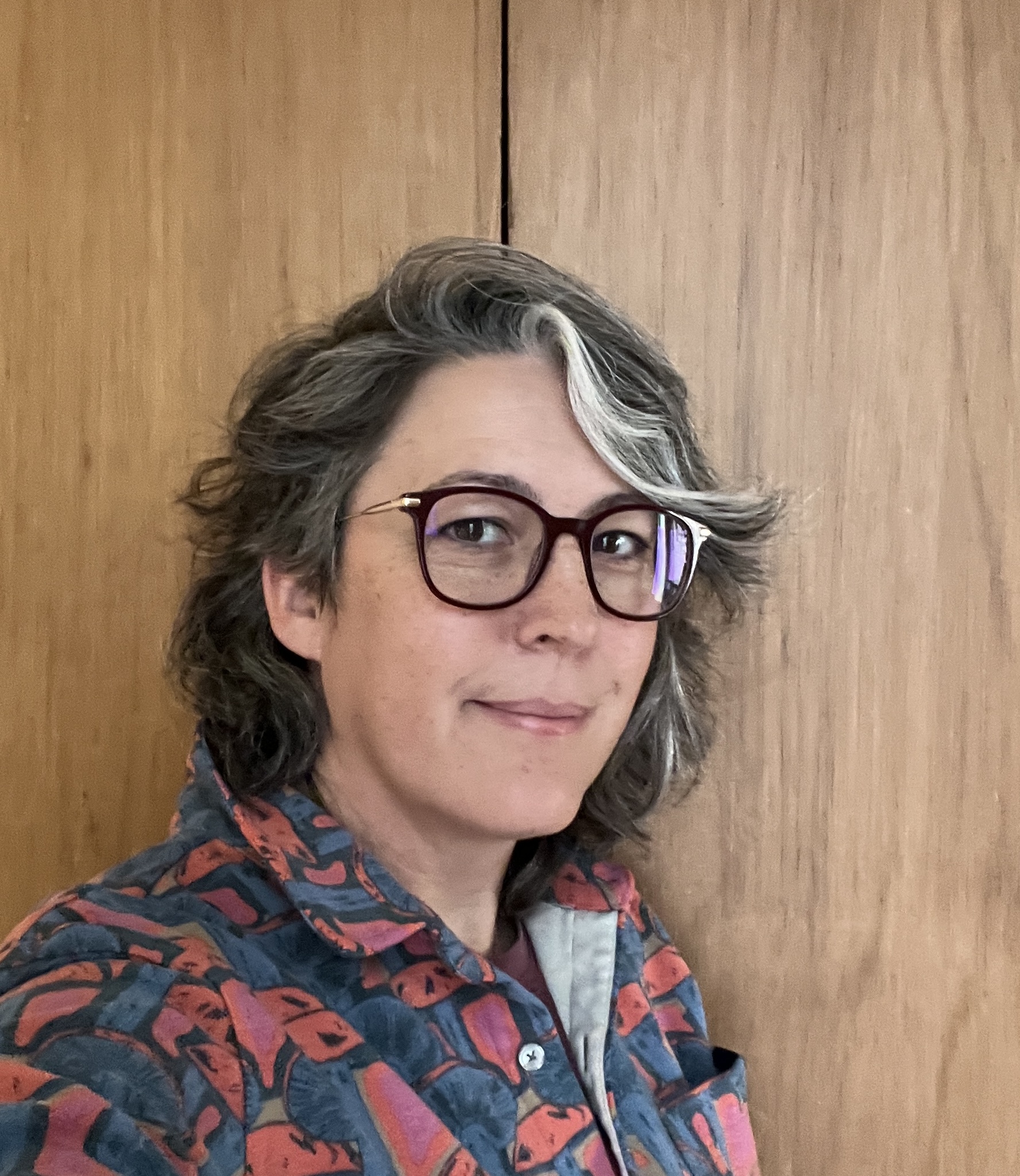
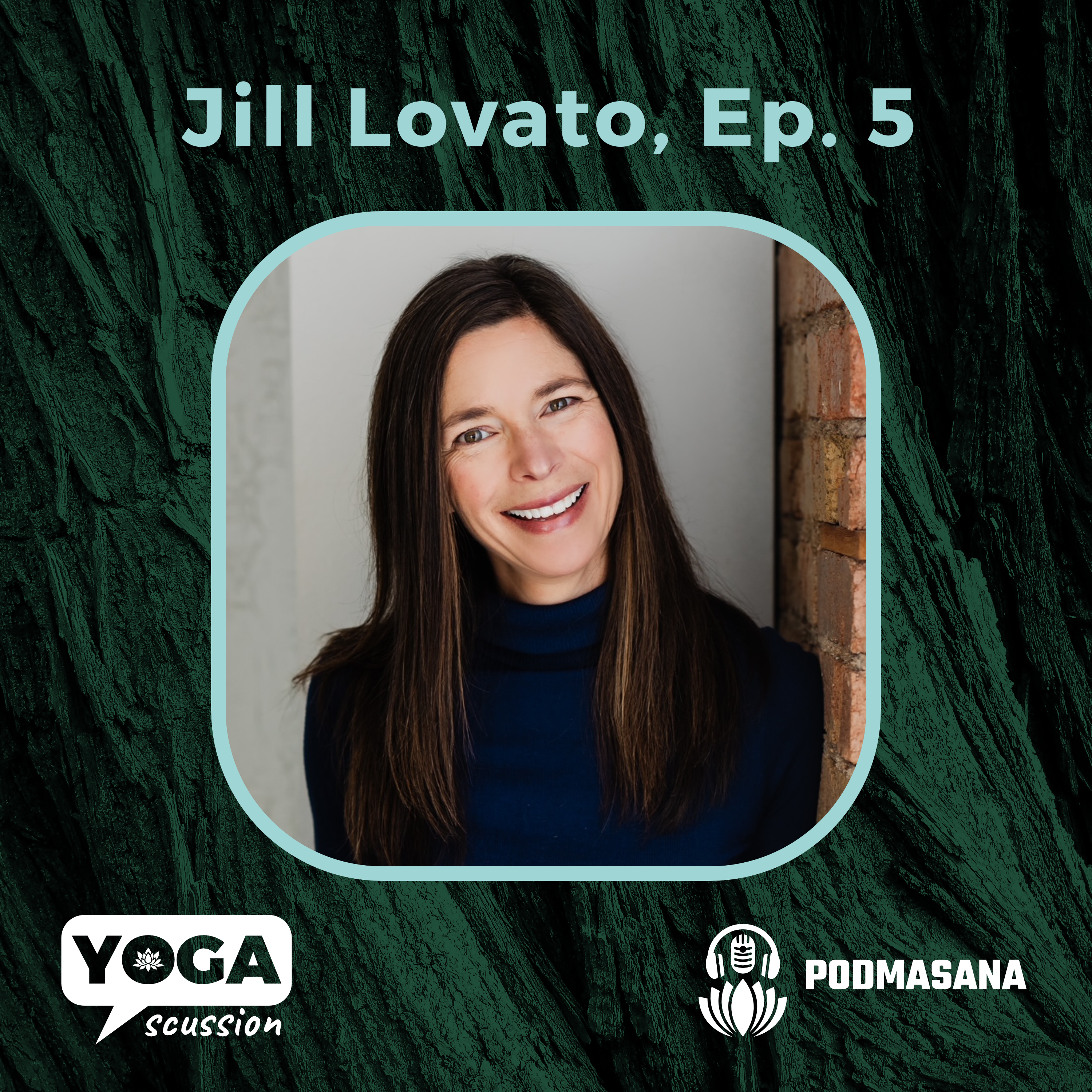
[00:00:58] Speaker A: Okay, so we are today we're interviewing Jill Lovato. She's the managing co owner of Blossom Yoga in Cheyenne, Wyoming. And she's also a really special friend of mine who I love so dearly. And she's just been doing yoga for a really long time. Both you and I met her at the Blossom Yoga teacher training in 2015 where we were mentors and she was a student at the time.
[00:01:21] Speaker B: Yeah, I recall.
[00:01:22] Speaker A: Yeah. And Jill's Jill has a long history with yoga that goes way back before teacher training. She's been doing yoga for a very long time. And she's also just a sweet, sweet spirit and a writer as well.
[00:01:37] Speaker B: Oh, great. Well, it seems like she's ready to join, so shall we let her in?
[00:01:42] Speaker A: Yeah.
[00:01:43] Speaker B: All right.
Hey, Jill.
[00:01:46] Speaker A: Hi.
[00:01:47] Speaker C: How are you guys?
[00:01:48] Speaker B: So, so great to see you.
[00:01:50] Speaker A: So good. Oh my gosh, I'm so excited to talk to you today.
[00:01:54] Speaker C: I know, me too. Thanks for thinking of me.
[00:01:57] Speaker A: I always think of you.
[00:01:59] Speaker C: Thanks.
[00:01:59] Speaker B: Gina was kind of contextualizing you for us and listeners and I was thinking it's been a long 10 year minute since we were connected, Jill. Wow. Yeah. But seeing you again, it's just like.
Yeah, it's just bringing me back 10 years.
[00:02:17] Speaker C: I know. That's a long time.
[00:02:20] Speaker B: Yeah, yeah, yeah.
[00:02:21] Speaker A: It's hard to believe it's been that long. Like I feel like it was yesterday, but yeah, I just. We all met at teacher training in Blossom, at Blossom Yoga in Laramie, which no longer exists. Now that studio is called Seek Yoga. And Jill, I just remember thinking you were the most amazing, like put together, like centered and grounded human being. And I just wanted to go up there. Yeah.
[00:02:46] Speaker B: Like a grownup.
[00:02:47] Speaker A: Yeah, like a total grownup. And we became friends. But over the time that we became friends, I kept thinking like, why does Jill want to be friends with me? She's so like everything wonderful and I'm just like this weirdo. But then I think one time we discussed it and you were just like, you are you. And I was like, yeah, yeah, yeah.
[00:03:08] Speaker C: Well, that's flattering and really kind of amusing. I think you've shared this with me before, Gina. And I don't know where it comes from, but I'm flattered. I don't know how, how I pulled off acting like a grown up and put together and grounded.
[00:03:25] Speaker A: Well, you are to me a month for eight months. Yeah.
[00:03:30] Speaker B: What?
Well, Jill, you kind of talk about like this idea of becoming, right? And maybe you became a while back and you're kind of teaching other people like how to become. Could you maybe expand on that a little bit for us and listeners?
[00:03:46] Speaker C: Yeah, yeah. So I've been working a lot in my own practice around this idea because I, you know, I train yoga teachers, I help facilitate with a partner, 200 hour trainings and 300 hour trainings. And we've been doing this, I think, I think we started in 2018 with 200 hour and then in 2021 with 300 hours. So we've been at it for a little while and we've graduated quite a few people.
And.
[00:04:16] Speaker C: I used to talk about evolution all the time and how like we're always all evolving and it's, you know, sometimes like in some contexts we call it growth, in some contexts we might call it progress. And then what I realized is that growth, progress, evolution are lacking for me anyway. And maybe it's just semantics, but lacking a little bit of an anchor, they're a bit untethered, right? So yes, we are evolving. I mean, every day we get our bodies age, we tack on a few more experiences, right? And with those experiences, you know, emotions and responses and things like that. But really, so there's nothing interesting about that or special.
It's just happening and it's happening to all of us all the time when we really sort of lean in against the experience, the response, the changes, and bring a little bit of like presence to that, a little bit of what I like to call intention. But really it's just observation. It's not ascribing any kind of outcome, it's just being sort of aware, like really, really aware. Then to me that's becoming and that's the goal. We have to become. We have to become ourselves.
I mean, we're born with all the ingredients, but it's a little bit like, you know, when you buy the box, mix of like brownies that have nuts and chocolate chips and all the things, everything's coming in like three separate little packages inside the box. And then there's a lot of other ingredients that you have to add. It's all there.
[00:05:52] Speaker C: But we have to, we're the ones that have to put it together, right?
[00:05:56] Speaker B: And make something Tasty. Yeah.
[00:05:58] Speaker C: Yeah. And that's. That's in my mind. That's the really interesting difference between becoming an evolution. Evolution is happening no matter what. You're evolving, I'm evolving. We all are. But being present to that, not bypassing any of it, but. But moving through it with some awareness allows us to. To just step into the role of being.
[00:06:19] Speaker A: Yeah. I love that because I feel like so many times in these yoga contexts, there's this, like, really intense. There's this thing about purpose and meaning, and it. It annoys me, and it makes me angry at the same time. And then it also, like, kind of shreds me up too, because it's like, where's my purpose and what's my meaning? And, like, evolution doesn't really have much of a. There isn't. In my mind as a scientist, it's not like, oh, evolution has purpose and meaning. Right. It's just an organism surviving on the Earth. And so we can look at animals and plants and how they have interacted with each other and shaped. And what you're saying makes a lot of sense to me because it's not imbuing it with. Necessarily find your purpose or what's your meaning here on this planet, but it's like, maybe the purpose is just growing into who you are.
And, like, yoga can be this amazing process to help facilitate that.
[00:07:17] Speaker C: Yeah, I think that's exactly it. I don't. I mean, the practice of yoga is so simple. Right. Being a human is actually kind of complicated. But if you sort of strip yourself away or strip all of that complication away.
Yeah. Then all that's left is to. Is to become.
And I don't think that we have to know our purpose or Dharma or whatever.
[00:07:44] Speaker C: That all just works itself out as we become who we're meant to become.
[00:07:51] Speaker B: Yeah. It kind of reveals itself.
[00:07:52] Speaker C: Yeah, yeah, yeah.
[00:07:54] Speaker A: And we wouldn't, like, bring an animal into a room and be like, show us your purpose. You know, we wouldn't, like. You know, you wouldn't, like, get a rabbit or a dog or even a cat. I mean, you definitely wouldn't do this with a cat, but. And be like, yeah, you're gonna have a purpose. Right. Like, an animal is, like, existing in a way that we humans have kind of.
We aren't existing quite like animals. But I like to think about it, and I like to.
[00:08:20] Speaker C: Well, and you make a point. And I mean, from one animal lover to another.
Gina, I know you are. I don't know, Brendan, but.
[00:08:28] Speaker B: Oh, yes, yes.
[00:08:30] Speaker C: When you bring an Animal into a room and observe it. It's revealing its purpose. Hundred percent. Right. Like the dog that we have right now is this old. She was old when we got her, now she's even older.
[00:08:45] Speaker C: She is a calm presence. I bring her to the yoga studio. She's here right now. And that's her purpose. Just by being. I can see that.
We fostered a six month old, rude, boundaryless puppy for about a month a few years ago. I love this dog. I loved this dog. But he was only with us for a little while while he was waiting for his forever home. But while my husband was like, what are we doing with this dog?
Manny, his name is Manny. Manny was revealing his purpose. Like he was a teacher teaching patience, teaching resilience, teaching a little creativity. Right. He was just being himself. Yeah. We got to figure out what to do with Manny during three feet of snow and our four foot fence. Right. Like this is.
And yeah. So I like this idea of like, yeah, you wouldn't ask an animal to show its meaning, but by observing it, you see it. They are, they are becoming. Right. They're becoming just like we are.
[00:09:45] Speaker A: I love this because these are the questions I think about all the time. Like, and it's, it's hard because I get stuck sometimes on like what is, how do I make meaning in my life? And Jill, you, you and I have had many conversations about my bouts with nihilism and all of the things, but I mean, I do, I get stuck sometimes and I just. Your answer about becoming feels really simple to me. Like, oh yeah, yeah. There's like so much to get distracted by. But you can strip it back.
You can pare yourself down to your basic essence. And in that form you don't really need to be worried about meaning or purpose because it will just manifest what you're supposed to be.
And I really want to hold on to that.
[00:10:32] Speaker C: Yeah. And I think, you know, another part of that is again, like in the contemporary Western context for yoga, we really are like people are suffering and they are coming to yoga to not suffer. Right. And so we're trying to pad it into, to help people.
But I think the biggest, the biggest help is really like just this reminder that it's, you know, non duality is the touch point for connection. And the reason that we're suffering is because we're disconnected. Right. So we just have to get ourselves for a moment even to this, you know, felt sense, however that shows up for you, but the felt sense of your own divinity and then that's all it is. And then. And then you're connected, and that feels good. But in the Western context, I mean, we are. We're trying to pad it with all these things to sell it a little bit, right. And to help people when really the practice is just so simple. And the least interesting part of yoga is probably the asana we all love. It feels good, but.
[00:11:38] Speaker A: It'S like the. The shell, it's like.
[00:11:42] Speaker A: It's like a nut in a way. Like, the asana is the shell. And once you crack through that, you're like, oh, the meat of the nut is on the inside. And sometimes that's scary to go to. Like, I had all these questions prepared, but, you know, I. I just want to follow this vein a little bit more. But, like, in your own practice, did you.
I mean, of course we all grow through our practices. So this feels like this is a. Something recent for you. But, like, did you feel called to yoga? Did you feel like the meat was on the inside? Or were you just like, yeah, I'm gonna do. You know, I'm doing this yoga practice, moving my body around in space.
[00:12:21] Speaker C: Or.
[00:12:21] Speaker A: How did you really. Yeah, how did you get.
[00:12:23] Speaker C: Yeah. Well, I mean, here's the long answer to your question.
[00:12:28] Speaker A: I love a long answer.
[00:12:29] Speaker C: I was always aware of yoga because growing up, our next door neighbor was, I'm going to say the yoga teacher in Cheyenne. I don't know if there was another one. This was in the the 80s, you know, and so she taught yoga classes at the public library. And my mom would go regularly, and I went with her like once or twice, you know, when nobody was home to babysit me or whatever. And I had to go and I just sat there quietly kind of like if you, you know, when I was little and I also had to, like, go to church. Didn't really feel like doing that either, but I was really good at sitting quietly. And when you sit quietly, you begin to notice a lot of things, right? You notice sensations in your body, you notice sounds from your body, and then pretty soon all that kind of moves away and you're just in this, like, little container of goodness, whatever it is, right? And it can happen anywhere. And, you know, it could. Like what I kind of just described might sound like meditation. And most of the time, meditation is when you sit down to meditate. It's actually super frustrating. You're like, well, I don't believe that.
But.
So I was aware of yoga growing up just as that, like, oh, that's where, you know, that's at the library. And this Is like, what people do. And I just sit there and it feels really nice. And then when I was in high school, I took this, like, senior seminar, which probably wouldn't even be allowed anymore, where we read the translation of the Vedas and the Upanishads. And so, you know, the Upanishads introduced this idea of non duality totally through duality.
And I began to realize, like, oh, my gosh, this is why, like, high school sucks so bad. And I am just, like, getting myself through because I'm so separating. I'm finding all these ways that I'm different, that I'm. I'm separating myself from the kids over here, the kids over here. The content of it, you know, the curriculum of a class, the experience itself, like, high school's not for me. I'm just gonna get through it. And then when I get to college, right? And so I started realizing, like, oh, yeah, like, being separate is what causes us to suffer. And there's this idea of non duality. And what does that even really mean, you know? And then flash forward, many years later, I was running all the time. And I realized what my obsession with running was, right? It's all connecting to my body and to nature. And, like, I don't need anything but running shoes, and I can go anywhere and hear my breath, and it feels so good. And then, of course, the thing that always happens with runners is, like, my hip got really bad. And I was going to the chiropractor, and the chiropractor was like, you can keep coming here every other week.
[00:15:11] Speaker C: You can also try going to yoga. And I was like, right, yoga. I remember that. I. That thing. So my neighbor and I started going to yoga in Laramie. It was even before Blossom was there. I can't remember what the studio was called, but it was on first. Right?
[00:15:26] Speaker A: I remember that studio.
[00:15:28] Speaker C: Yeah. And this. The teacher was like this, like, former gymnast, and she was just, like, so sweet. And going to yoga did help my hip hop. And then I was like, it was also social because I was going with my neighbor. You know, we had this little thing going. And then like, 12 years later, I was still practicing yoga. And I'm like, huh, it's interesting that I'm still doing this. It's become a habit. And I do remember that many years ago, there was something there. There was something else that was yoga to me. And it was this idea of non duality. And I think I need to, like, come back to that. So that's why I went to teacher training, because I was like, well, I'm pretty sure I need some help figuring this out. Like, I can't. I. It's, you know.
[00:16:12] Speaker C: It'S going to be diminished returns on my time investment if I try to do this myself. I'm going to go get teachers, do this in a group. And yeah, so that was what took me to teacher training was really like, help me remind me of what this idea of true connection is. And like, why are we practicing asana? Like, how does, where does that fit in?
[00:16:36] Speaker B: And anyway, no, that's great. I think there's so much in there, Jill, that I know I connected to and I imagine many other listeners could connect to as well. And so now, like, you're in southeast Wyoming and you were interested in yoga's ancient history, where it came from. So as you know, southeast Wyoming isn't exactly a major metropolitan hub. Right. So, like, how are you navigating, like the unique challenges or maybe even opportunities in teaching yoga, bringing yoga to a community like that, given your interest from early on in your life?
[00:17:12] Speaker C: Yeah, well, so interestingly, I'm just finishing this, this is, this is going to be maybe surprising to you both. I'm just finishing this business, like, training program.
[00:17:27] Speaker C: That was 12 weeks through the Goldman Sachs Foundation. It's very cool, called 10,000 small businesses. And I've learned a lot. One of the valuable things I've learned is that I don't necessarily do things according to logic. And this has been pointed out to me by other people, but it took me doing this train, this business training thing to really get that.
And, and yet I've had this studio for almost 10 years and it's still, it's still going strong. It's still, I think, of benefit to people. It's certainly feels like a privilege and a pleasure every single day. And I think the way that all of this has come together is not through logic or, you know, analysis, but really just like following like the next step is this, the next step is this, like, oh, here I am. What's the next? And by doing that, we've. What has, what has really sprung up is this lovely community.
So.
[00:18:27] Speaker C: My goal in the studio and everything that I offer here is really to.
[00:18:36] Speaker C: Remind people of the full practice of yoga.
And when I say that asana is the least interesting, it kind of is. I mean, I love bodies, I love looking at bodies and like, you know, our bodies are like part biology and part biography and like how they're amazing. But really what I, what I try to, even when I'm teaching asana several times a week. What I'm trying to cultivate is connection, however that shows up for people. And in doing that, over these last several years, this studio has been built, and it's a community, and people make friends here. They hang around and chat. I was kind of late getting to you all today because I taught a class and people were not leaving.
They weren't really here talking to me. They were talking to each other. And I was like, oh, my gosh. Like, so that's a form of connection, right?
I think, yeah. It's certainly. People walk through this door and they're like, I'm here for my, like, yoga workout or whatever. That's. Yes.
And it's fine if they keep coming year after year for that. But my sense is that even the people who come for that.
[00:19:49] Speaker C: Connect with something else below the level of consciousness, maybe, which is fine.
[00:19:54] Speaker A: Yeah.
[00:19:55] Speaker C: I'm not sure.
[00:19:55] Speaker A: That's beautiful. There's so many levels of connection. Right? Like, we think of. I mean, I feel like a. We live in a really disconnected society right now, right? Where it's like, rather than come together, we're like, schisming apart. But there's, like, the connection of, like, connecting with your teacher, connecting with your body, connecting with your breath, connecting with other people in the practice, connecting, like, even subconsciously, like, with your deeper self, even if you're not aware of it. Like, it's. Yoga's kind of subversive in that way, you know? Like, I always feel.
[00:20:31] Speaker A: Not always, but I do feel like there. People will come to class because they want their workout, and then, you know, you'll teach them for years, and then they come out the other end and they're like.
They have a great yearning in themselves for something deeper.
And I think that physical work is the. It's like the gateway drug.
Yeah.
[00:20:51] Speaker B: I was just gonna say we love our metaphors. We yogis. Right. And so, like, listening to you both talk about this, I'm picturing, like, a yoga teacher is essentially just kind of hanging out in the river. It's like, hey, if you want to come paddle over here, you know, we can talk about how, you know, paddle, you know, how to row this canoe. But when you want. You know, you're at the riverbank, you're dipping your toes and whatever, because we've all kind of been there in our own.
Like, asana now is maybe not as interesting, but, you know, maybe we all had that point where all we were doing was trying to tackle and master and learn asana, as if that was the goal Right, Yeah, yeah.
[00:21:27] Speaker C: And then that. And exactly. Right. It becomes a practice. Right? Like, I have to, I have to practice this so that I can do it.
And, you know, as long as that, that habit is tethered to something meaningful, again, consciously or below the level of consciousness, you, you get there. Right. And I think you bring up a really interesting point, Brendan, because I, I always tell.
[00:21:57] Speaker C: Especially like teachers in training, but even just like kind of casual clients, like, I'm not here to be your yoga teacher. Like, I, I happen to be a yoga teacher, but really what I want to do is to like, teach you to fly your own plane. Yoga is, you know, we teach these classes now with 10, 20, 50 people. How, you know, big. A big group of people all arriving differently, right? Their own experiences, their own state right in that moment. And we're offering them a one size fits all approach. And that's never, that was never the intention of yoga.
And even though I really do sort of like to nod to the tradition of yoga, I think it's important, I am aware that.
[00:22:44] Speaker C: Access, like accessibility and tailoring it to individual needs is really how people are going to, as I say, become like, you can even do that through the lens, right. Of yoga. I use like ayurvedic principles all the time and just sort of reading the room like the gunas, you know, what's in this room? Is it Thomas, is it rajas? Are these people in some sort of like heightened pitta dosha state? Or are they all like vata or are we kind of kapha, you know? And then from there I try to offer yoga to meet, like yoga, asana, pranayama, diana, meditation, like to, to meet people where they are. And that's really, that's what, as a teacher, that's really what I'm trying to do. And then they can take it anywhere. They don't need me anymore to do that. They'll just come, they'll just keep coming to the studio because their friends are here.
[00:23:39] Speaker B: Yeah, well, that's community.
[00:23:40] Speaker A: Yeah, yeah. I love that you're speaking to this because this is something that I don't think we speak to very much with people who are yoga teachers versus being a student in a class is that like we, we read the room energetically and we're, we're like looking out like, what are all these bodies saying to me? And so there takes, it's like a certain level of, I'm going to use this word, but like a certain level of empathic intuitiveness, you know, that you, that you like either already have. Maybe you're already an empath. And I think a lot of people who are empaths end up becoming yoga teachers because we want to help people. You know, we want to help people feel good in their bodies and have a safe place to be themselves. But. And this goes into a question that I did write down was, like, about living in the world we live in right now. That can be really divisive and chaotic. And do you feel like your experience as a yoga teacher and as a practitioner, like, helps you kind of feel that out and then offer that to students? Or does it help you feel more grounded? Or can you speak a little bit about that kind of process of like, yeah, I'm looking out and I'm seeing all this stuff, and then from there, I'm pulling from this wealth of knowledge in my brain to be like, how do I meet the people who are showing up?
[00:24:59] Speaker B: Yeah.
[00:25:01] Speaker C: So.
[00:25:03] Speaker C: Yes to all of that. I mean, I. I use intuition.
[00:25:09] Speaker C: Very much, and I, you know, kind of. I study my own process a little bit in, like, how do I. How is it that I know, like, what am I actually using? Because I want to leverage that a little bit more, you know, so, like, where in my body do I feel these things when I'm up against it? Right? And.
And yeah, I use yoga for myself. And when I'm saying yoga, like, maybe asana, maybe pranayama, you know, meditation. I'm choosing from lots of different tools in that one toolbox that we call yoga to get through just like everybody else.
Today.
[00:25:47] Speaker C: I, you know, it's a day after a holiday weekend for a lot of people. I had a small class at noon, and everybody, like, as they started walking through the door, it was very clear to me how everybody was taking this, like, end of holiday weekend experience.
And it wasn't the same. Like, people were not. It was not a. Oh, good. I'll just do this in one size fits all and we'll be set. And so, yeah, again, I mean, I just sort of think of, like, all right, this group over here on this side of the room, they're.
There's, like, a longing for them. They have said good, like, they had family home, and now they've said goodbye to that family, and they are feeling this, like, separation.
This half of the room over here is sort of, like, numbed out. They're disassociated. They don't. They want to stay in the cocoon of, like, football in the couch and pumpkin pie. And, like, both of those things take two different sort of two.
You know, this longing is up here. It's this, like. It's a. It's sort of a heightened state. And then this disassociated, like, back to work. I made it to yoga.
You know, it calls for two different things. And so, I mean, I even used that today. I.
I spoke to it directly and said, like, if you are feeling this, then this is the way that you're gonna work. You know, we're starting with, like, three minutes of breath work. This is how you're gonna breathe. If you're feeling like this, this is how you're gonna breathe. And.
[00:27:17] Speaker C: I sort of observed, and, like, people knew what they needed. I just had to tell them, if it's this, then it's this. They knew how they felt, and they chose the right thing. They chose the thing that I would have chosen for them just based on what I was observing. So, I mean, I think we can. Even in public classes, I think we can do that. And you're right, Gina. Like, people are arriving, maybe with similar experiences. We're all in this world together, but we're resourced differently. Our responses are different.
And so, like, what we need is probably different. And so I really. I am trying, as you know, in the last year or so to really, even in a public class, offer not just variations of knee up, knee down, or use the block or whatever, but, like, read your system. You know, if it's here versus if it's in your belly or in your feet or in your hands, right? Like, then you're. Then this is for you. If you're more up here, then.
Then this is for you. Because I really think that the true. Like, the job here is to teach people to fly their own planes. I mean, that's regulation.
Whether we're saying nervous system regulation or energetic regulation or emotional regulation, like, that's the first step until we're sort of.
[00:28:31] Speaker C: You know, in our little crucible, we can't become. Once we're there, though, then that's when we can start working. But we have to help people get there. It's really hard right now.
[00:28:41] Speaker A: Yeah, it is really hard right now.
[00:28:43] Speaker C: Yeah.
[00:28:43] Speaker B: You took us into a moment there, Jill, and I'm curious. Do you find that people who show up for class at Blossom these days, they appreciate that direct, you know, speaking? Or does it seem like they're kind of, like, processing a little bit or, like, how does that kind of land with them?
[00:28:59] Speaker C: Yeah, that's a great question, and I think it's probably a little bit of both. We tell People like, turn off your thinking brain. When you get into a yoga class for these next 60 minutes, like, you're not thinking right, you're just, you're in your body. And then I throw at them this, like really sort of analytical, like, let's really think here. But I really try to.
And it, it's never gonna land perfectly for everybody, but I really do try to give people cues in terms of like, how it might feel.
Do turn off your mind, but turn on, you know, your cheeks and your hands and your belly in your knees. Listen to the sound of your breath. If you put your hand up here on your chest, like your upper chest when you're breathing, can you feel like muscles working? Because if you can feel your, your accessory muscles working, then we have to change something here. Like, that's not, that's what. Not what's happening, what we want to have happen. So, yeah, I mean, I, I guess I'm taking something sort of this analysis and trying to put it into terms of felt sense to help people realize it. And also, I mean, I'm raising two teenagers right now. I am really used to people not listening to me. And I don't take offense. And I know that this happens like in the studio too. People are like, oh my goodness, she is saying some words. And I'm just gonna be here in child's pose. And that's great too.
[00:30:23] Speaker B: Jill, do your kids practice yoga? Or are they just. Or is they. That's just like what mom does. I don't want anything to do with it. I'd be curious and maybe listeners would be curious, like, what are your teens relationship to yoga?
[00:30:35] Speaker C: Yeah, it's mostly what my mom does.
You know, occasionally the kids will come to the studio. Like, I'll invite them. I never make them. I'll invite them. They often say no. Sometimes they say yes. And they always enjoy a public asana class when they.
[00:30:55] Speaker C: When they're here. But again, it's really interesting. So are they meditating every day? Absolutely not. They don't practice asana. They're both cross country runners and they do stretch. Like every cross country runner is just like lip service and like, what are you even doing?
[00:31:13] Speaker A: Just doing it to run?
[00:31:16] Speaker C: Yeah. And then this, you know, the stretching before they run. And I'm like, no, warm up your body, get your body sweaty, then run, then stretch anyway. But it's interesting because I think, like, I mean, being a teenager was hard when I was a teenager. It's hard now too, for different reasons. And I watch my kids navigate being A teenager today with various resources and like, I'm really kind of astonished and impressed.
Like, they're practicing yoga in some ways. Right? They are.
[00:31:50] Speaker C: Holding on to their own essence, whether that's what they call it or not. They are. They're protecting their essence. They're remaining optimistic, which is part of. It's part of it, too. I mean, if you. If you don't believe that.
[00:32:08] Speaker C: You know, you are divine, but that's it. That's all there is, then, you know, there's not a lot of optimism there. And so they. They preserve their essence, they preserve their optimism, and, you know, they do it through things that I guess I would call meditative, but it's not meditation. Maybe they both run. I mean, they. They're both cross country. Flow.
[00:32:27] Speaker B: That's.
[00:32:28] Speaker C: Yeah, it's flow for them. Yeah. Art. My daughter plays the cello and is a visual artist, and that is, as you say, Gina. Yeah, flow. My son is a. He's a total theater nerd, and I think he's making sense of the world by playing other roles in the world. And, you know, there is something kind of yogic about that, too. When you think about all of the traditional texts that are trying to teach non duality throughout. Through duality or even, you know, meditation practices like Neti. Neti. Not this, not this, not this, not this, this, not this. It's a little. Like he's kind of doing that a little bit through, like, I'm not this, but I'm going to be this for.
[00:33:09] Speaker A: You know, I'm going to try it.
[00:33:11] Speaker C: Out, show or whatever.
[00:33:12] Speaker A: Yeah, yeah.
[00:33:14] Speaker C: So little. Little bits of yoga come out and I. I don't necessarily chalk it up to my influence. And they're definitely not here at the studio or practicing asana at home, but I do feel like they're. There's something sticking a little bit.
[00:33:29] Speaker B: Yeah.
[00:33:29] Speaker A: I think that kind of speaks to. What we've talked about in other interviews on this show, is that.
[00:33:36] Speaker A: Yoga starts oftentimes as like this kind of outward practice. Right. The asanas, the less interesting things. But then it starts to radiate out of people who are doing yoga. Right. Like at some point in time, like, you become just a calmer person, you become more patient. And it's not necessarily because you're actually trying to cultivate that stuff. This is why I think yoga's so sneaky. Like, I think yoga's a really sneaky thing. Like, it sneaks up on you because you do it and you're like, oh, that felt so good. My body Feels good. Great. And you keep going to it and then you're like, oh, wow, a really hard thing came up today and I did okay with that. Like I didn't overreact. And wow, I'm becoming less reactionary. I'm becoming more calm.
So, yeah, I mean, maybe your yoga is just radiating out of you. And also I love that you talk about how kids are so much more resource today. I think kids today have such a better emotional vocabulary and a better emotional interface with their emotional bodies than we did in the 80s. Like, in the 80s it was like, kid, I don't want to see you, like come home for lunch and dinner. Bye. It's 10pm do you know where your kids are? You know, I mean, they had to do PSAs for our parents. Maybe not your parents, but some parents.
[00:34:55] Speaker C: We were also scared that we were going to get stuck, stolen because, oh yeah, out in the world. And yeah, it is interesting. I mean there's so much at least. And again, I mean I have, I have a 13 year old and a 16 year old and it's just two kids, but. And so in my very anecdotal experience.
[00:35:13] Speaker C: There'S a lot of compassion among kids.
[00:35:16] Speaker A: Yeah.
[00:35:17] Speaker C: And a ton of acceptance. And, you know, that's one of the things that yoga has given me. Acceptance for sure. Right. Like just let go of expectation and.
[00:35:29] Speaker A: And control.
Right. Like.
[00:35:33] Speaker A: Yeah, we don't have any control as humans. We have very little. And I think the most control we maybe have is just understanding how little we have.
[00:35:42] Speaker C: Except I think kids are really good at that. And then, you know, having a bunch of compassion. There's no, there's very little. You know, they might judge sort of the superficial things, but they're really not judging each other's character. Like, I never, I never really hear any of that. Mostly it's just a lot of acceptance and compassion. That's not just my kids. Two kids of, you know, a small town, yoga teacher, mom. I think it's just sort of across the board. But what I do hope my kids learn from me, whether it's, it's conscious or not, is, yeah, like we're all resourced differently from day to day.
[00:36:21] Speaker C: Everyone's doing the best that they can with the resources that they can access today.
And we.
[00:36:30] Speaker C: We keep going, we keep moving forward with some awareness, with some presence. Like, and it's, you know, both my kids have cell phones, one has social media, the other one doesn't. And it's easy to bypass or to, to misunderstand what connection truly Is.
[00:36:50] Speaker A: Yeah.
[00:36:50] Speaker C: But you know, one thing that I really do try to tell them is like, and I, and my daughter is 13, she's in 8th grade. And what I tell her all the time is like, don't fit in, belong. Right?
Like, and same thing. Don't, don't try to get people to, to fit in with you. Let them know that they belong with you. Like, that's. And, and I think that's, you know, that's part of that.
[00:37:20] Speaker C: Understanding of, of connection, right?
[00:37:22] Speaker B: Like, yeah.
[00:37:24] Speaker A: And that brings tears to my eyes.
[00:37:26] Speaker B: Well, and it's, it's. Yeah, yeah. And it's so profound, right? I mean, like, it's hard to think of how many of us growing up in the 80s and 90s would have had parents who were speaking to us in that way. They. So we're kind of touching on in some ways how you kind of see a little bit of evolution of the species, but also like, if we can be honest about it too, like, you know, young people these days are also showing the highest anxiety rates, you know, and it's always like kind of a mixed bag with humanity. Right? So I'm curious, Jill. Like, you know, you've talked about like this idea of like wholehearted practice and like, as we're navigating some of the challenges of modern life, like, if you wanna call about, if you wanna talk about political divisiveness, digital stimulation, you know, you talked about social media and Dev, how are you inviting students or maybe even your own kids to cultivate warm heartedness, whether it's like in the studio or outside the studio?
[00:38:17] Speaker C: Yeah, well, I mean, honestly, with my kids, I am super direct, right? And I had this conversation with my son last night. I was like, you need to like sit in the ether.
You're not relaxing or resting when you are looking at your phone. You are numbing out your. Like, you are a product. You know, we say like, you are what you eat, but you are what your thoughts are directly connected. They, they are a product of, of all kinds of things that you're digesting, whether it's food or experiences, information, different stimulation. And like, you just need to sit in the ether sometimes. Back to my, you know, public library yoga with my mom. Just, just go like sit and be quiet whether there's people there or not. Right. Like, I kind of like to do it when there's people around. That's really my thing. But so I'm really direct with him with, with students at the studio. It's a whole different thing because I do really try to stay. You know, we, we make no.
[00:39:22] Speaker C: No disguise at all around here. Like, this is a, this is an inclusive studio. We don't care who you are, what name you wear, go by all the different ways that we can identify. Like, it's all welcome here. And I, I am not going to comment one way or another on politics or religion or any of these other things, including, like how what's your screen time average look like?
All of us. It's too high. Right.
[00:39:51] Speaker C: I kind of just, you know, that's maybe as like explicit as I ever get. It's like we all have different ideas here. I guarantee all of us are taking in more information than we need. And it's our faults. Like, we're doing it to ourselves. Doesn't matter what information we're taking in. And I'll even sometimes start a class. But like, for these next 60 minutes, like, set aside all of the experiences that you've had today, that you've had in your life. Just be here. I'm going to keep cueing you throughout the practice just to be here right now. You know, yoga tells us like the only, the only truth exists right now. Like, reality is only right now. And so, like.
[00:40:32] Speaker C: This is a pretty low stakes place to try that on. Right. And maybe if somebody catches a glimpse of something of value in that experience, then they'll try it again and again and again, even on their own. Even if they're, you know, driving in their car, hiking in nature, walking wherever they might remember, like, oh yeah, when I set aside everything and just try to exist for a moment, there something, something simple but potent might occur. And that's, that's, you know, maybe about as, as explicit as I get.
[00:41:08] Speaker B: Yeah.
[00:41:09] Speaker A: Which is super refreshing.
[00:41:11] Speaker C: Well, and, you know, I've had yoga teachers, I have a lot of respect for yoga teachers who will just like, you know, shove somebody from, from behind right into the thing that they want them to discover. And I'm just not that way. It's, I am undisciplined and lazy and really soft. And so for me it's like, I just kind of want to, like, I'm never going to shove somebody from behind, but I might accidentally like shine a light on it for a minute for them to, you know, like, it's more interesting to me and more my nature as a teacher to let people walk into the thing on their own and never even know that I, what role I played in it, I don't need to know. And neither do they.
[00:41:51] Speaker A: I think that's really powerful because I'VE had people shove me into what they want me to know, and it never really works out that great. Or maybe they think it's going to, but there's like.
I mean, we're all here, right? We're all. We're all on this planet. We're all going through what we've chosen and what we continue to choose in our lives. And I think the most powerful thing is when you can just create the space for someone to, like, lay down all the things, right? Lay down the swords and the guards and the armor, and lay down the relationships and the stories that we tell ourselves about who we are and what we're doing with our lives. Lay down the traumas and the. In the bruises and the breaks and the. The hurts and the pains, right? And, like, soften into, like, the piece of you that, you know is eternal. The piece of you that is untouched by all of that. The piece of me that doesn't even know that I, you know, came from my parents or are connected to people. It's like the piece of me that could forget all of that stuff that's still alive and.
And vital and, like, incomprehensible, but also eternal. And I think there's so much power in that. Like, it reminds me of when I was in therapy and my therapist was, like, walking me through something, and she, like, asked me if I would do the thing to somebody that had been done to me as a child. And I was like, oh, no, I would never. I would never do that to a child. And it was just like, I got hit, right? Like, would you hit a child who's like, five across the face? And it was like, no, I would never do that.
And then she just said, do you see what that is? And I was like, no, I didn't, but I do now.
It's a powerful experience to, like.
I mean, she could have just said, you know, that was abuse, but instead she was like, do you see what that is? And it was like, I didn't, but I do now.
And not saying that everyone's experience is like that.
[00:43:57] Speaker A: But, like, giving up an interest.
Go ahead.
[00:44:00] Speaker C: Sorry.
Well, I was just gonna say that you bring up a really interesting point because, you know, so much of, like, I think about the ego barrier and all the stories, the labels, all the things that you were talking about, all of that is just a protective layer. But it actually happens, you know, again, below the level of consciousness, too. Like, we. There are things that our systems do as a means of protection that we cannot even articulate that we're not aware of. And there is something, I mean, that's the part of yoga, asana and pranayama that I think have this sort of subtle but surprising effect on people.
They can't even name it. They feel better when they leave than they came in. And they might say like, well, my neck was really jacked and now it feels better. Like, oh, my low back is better, whatever. That's probably true. But then there's also this other. We maybe have just like shed a little, a couple of threads, right. Of this unconscious protection that we, you know, that starts being knit around us from the time we come into this world. So.
[00:45:11] Speaker C: That is when I say asana is not interesting. I mean, maybe I kind of stand by that. But also like that is the really interesting part of it. And it's sneaky, as you say, Gina.
[00:45:20] Speaker A: It's the sneak. It's the sneak.
[00:45:22] Speaker C: People just say like, you unlocked my back or whatever.
[00:45:25] Speaker A: Maybe, maybe.
[00:45:27] Speaker C: There's probably this, there's this other thing.
[00:45:29] Speaker A: That probably happened that you're pulling out the Bernie. The Bernie. Bernie Clark. It depends. Maybe.
[00:45:39] Speaker A: Yeah, yeah, yeah, yeah.
[00:45:40] Speaker B: So yeah, Jo, this has been a great yoga discussion so far as we kind of like wind it down towards some light hearted questions at the end. I've got one maybe more deep question on my end and maybe Gina has another on her end. But. So you've been teaching for a while and I didn't know that your yoga journey began when you were a kid. That's so cool to know. But now that you've been teaching for more than a decade, why do we continue to do this?
Could you maybe. That's a big question, but try.
[00:46:16] Speaker C: Okay. Yeah. I mean, I feel like I'm making a difference and that's validating, right? It's also really fun.
[00:46:26] Speaker C: I have.
[00:46:29] Speaker C: In the 10 years that I've had the studio.
[00:46:33] Speaker C: I've most of the time always had another job also because.
[00:46:40] Speaker C: Yoga didn't really feel like a real job and it didn't feel stable.
And in the last year I have stepped away from having another job. This is all I do now. And it's like, I mean to sound like so like yoga cliche, but like it's fully in alignment with who I am and my experiences. You know, I come out of a science background, zoology and physiology. Anthropology was my undergraduate degree. Then I have a master's degree and zoology and physiology. And people are like, but, but how did you end up here? And I'm like, I'm pretty sure that when you have the, the Academic experience that I have. The only thing that you can go do is yoga because it makes a lot of sense to me. But you know, the other thing for me is that like, yoga is a lifestyle. It's a practice too. And when we say the word yoga, most of us around here are thinking about like, you know, postures and stuff, but it's, it's a lifestyle. And when it becomes a lifestyle, when you sort of embrace that, then.
[00:47:43] Speaker C: It'S also like this really interesting rabbit hole. And I can never know everything or master all of it or really any of it.
So it provides this like, you know, nourishment on the soul level. It's validating to me as a human. And then it's also like from an intellectual standpoint. There's just so much here.
And you know, when I start thinking about the business side of it, as I have been over the last several weeks, I'm kind of like, like, okay, I gotta do this, right? Like when it becomes a business, then my thinking around it gets kind of small and fear based.
[00:48:26] Speaker C: But really like, you know, and then that's when I, when I recognize that I'm like, okay, just go back to being intellectually stimulating, validating as a human and nourishing as a, as a soul or spirit.
[00:48:41] Speaker B: Love that honest answer.
[00:48:43] Speaker A: Such a beautiful answer. My question for you. I remember in teacher training at the end you did your project and you wrote these beautiful, amazing poems of which I still have the copy that you gave me.
Man, I'm gonna cry. I love those poems so much. And I'm just curious, like, are you still writing? And if you are, is. I felt like yoga in that time was really a part of that, how those poems came about. And I just wondered if that was still happening for you.
[00:49:10] Speaker C: Yeah. Yes, I still write and I love writing.
I, you know, I'm again back to being business. I'm trying to like master this whole. Because now like when you Google search something, it's Gemini. That's like, you know, so now I'm trying to like write blog posts with the idea of intent rather than information.
And so that's been like really fun for me. I still write poetry a little bit. And I, you know, I love words, I love to read. I teach this online class for AARP every week. And because it's online, I'm like trying and it's interestingly, it's through aarp Wyoming, but it's like hardly anybody from Wyoming joins it. It's from everywhere else in the country. And so I'm Trying to foster this sense of connection. And so I've started this little practice of like, sharing a little poetry at the end of a class and not trying to weave in any sort of theme or anything. Just like, this is how we end our practice with some meaningful words, you know, And I read one of my poems and I never. Sometimes people will. I never give the title or the author.
Sometimes people will ask, like, who was that? What? You know, I put in the chat, like, oh, it's so and so, here's the name of the poem and stuff. So I read a poem that I wrote. This was years ago that I wrote this poem and someone said, did you write that? And I was like, oh, my gosh, yes, I did. And what is it about this poem that would, like, even, you know, no one's. No one ever. If I read a poem from another poet, no one is ever like, did you write that? No one has ever said that before.
Anyway, so there is. There's something there that's, you know, revealing. And.
And I love. I love. Yeah, I love words and writing and. Yeah.
[00:51:02] Speaker B: Well, I guess that might be a good segue to my last question, since you mentioned words.
So since you loved words, we'll see how well you do on this one. If you could describe, Jill for us and listeners what yoga is to you in three words or less.
[00:51:21] Speaker B: Feel free to take your time.
[00:51:23] Speaker C: This is four words.
[00:51:25] Speaker B: Oh, rule violation, but we may allow it.
[00:51:28] Speaker C: Sorry, I guess I'm in for it.
Okay, I'm gonna give you three words and then I'm gonna give you the four word version. The four word version sounds better, but maybe there's an extra word that's not needed. So the three word version is practice to become.
Again, this is all we're meant to do, right. Is to step into the role of who we are.
The forward answer, which sounds better.
A practice to become.
[00:51:57] Speaker B: You know, I think we might allow that, Gina. I mean, that's just. Yeah, yeah.
[00:52:02] Speaker A: I am writing this down.
I am going to make a sign.
[00:52:08] Speaker B: That's great.
[00:52:09] Speaker C: And you know, it's. I think when we think about yoga as that or even just like our purpose as humans as that, we really unburden ourselves from a lot of.
[00:52:20] Speaker C: Pressure. I guess that comes from expectation or pressure to know. Right?
[00:52:26] Speaker A: Yeah.
[00:52:28] Speaker C: My sense is that we already know a lot, but it's not like intellectual knowledge. Right. It's.
It's allowing.
[00:52:38] Speaker C: Our essence to.
[00:52:41] Speaker C: Perceive.
[00:52:43] Speaker A: Yeah.
When you say that.
[00:52:49] Speaker A: As a kid, I had this really. I still have it. I still have this feeling of Like, I know who I am, like, in the very, very deepest core layers of myself that.
That like, others cannot see. And thinking about a practice to become, or practice to become, it, it makes me think about stripping away the layers of, like you said, expectations from what maybe my parents expected of me, my siblings, what I expected of me, all the people we're in these, like, relationships with, but also, like, society, like, being a woman, being a, you know, human being, all these things. Till you get down to that basic inner back to that feeling again of like, oh, yeah, this is who I am.
Which is both enlightening and terrifying at the same time.
[00:53:40] Speaker C: Yeah, but it's really simple, too. I mean, I don't think we. Again, we have to release the expectation that we'll truly be changed if we realize it right.
[00:53:53] Speaker A: No, it's like a coming home.
[00:53:55] Speaker C: Yeah, yeah, yeah, Definitely. It's a. Yeah, it's. It's the meeting and the approach, both.
[00:54:03] Speaker A: Yeah, I like that you say that the expectation of, like, feeling changed. Like, I don't sometimes think there is that change. It's just like, right, I'm trying really hard to be something, and maybe I don't need to try so hard.
[00:54:21] Speaker A: Yeah.
[00:54:22] Speaker C: Sit in the ether.
[00:54:25] Speaker C: Just let it happen. You don't have to do anything or notice, right, that it's happening. You just have to be available.
[00:54:36] Speaker C: To it, you know, to becoming. I think that's the trick. That's the availability.
[00:54:42] Speaker A: Jill. So meaningful. Thank you so much.
[00:54:45] Speaker C: Thanks for having me. It was fun to connect with you both.
[00:54:48] Speaker B: Awesome. Jill.
[00:54:51] Speaker B: Wow.
[00:54:52] Speaker A: I just feel so honored to have that you've shared so much of this. Like, I. I'm making a sign for myself.
[00:55:01] Speaker B: Hey, listener.
Yeah, you.
I'm talking to you, actually.
If you've been enjoying the show, please consider leaving us or review on our podcast listening platform or giving us a shout
[email protected] or you can also reach out on the socials. We are on Bluesky, Mastodon, Instagram and YouTube.
Sharing a review with others helps a lot.
Thanks for listening and leaving a review.
[00:55:36] Speaker B: Sa.
[00:56:02] Speaker A: Sam.