Episode Transcript
[00:00:05] Speaker A: Yoga is stillness.
[00:00:09] Speaker B: Yoga is self awareness.
[00:00:13] Speaker A: Yoga is time tested.
[00:00:18] Speaker B: Yoga is unity.
[00:00:22] Speaker A: Yoga is secular.
[00:00:26] Speaker B: Yoga is evolution.
[00:00:30] Speaker A: Yoga is spiritual.
[00:00:34] Speaker C: Yoga is soul connection. Magic.
This is yoga scushion.
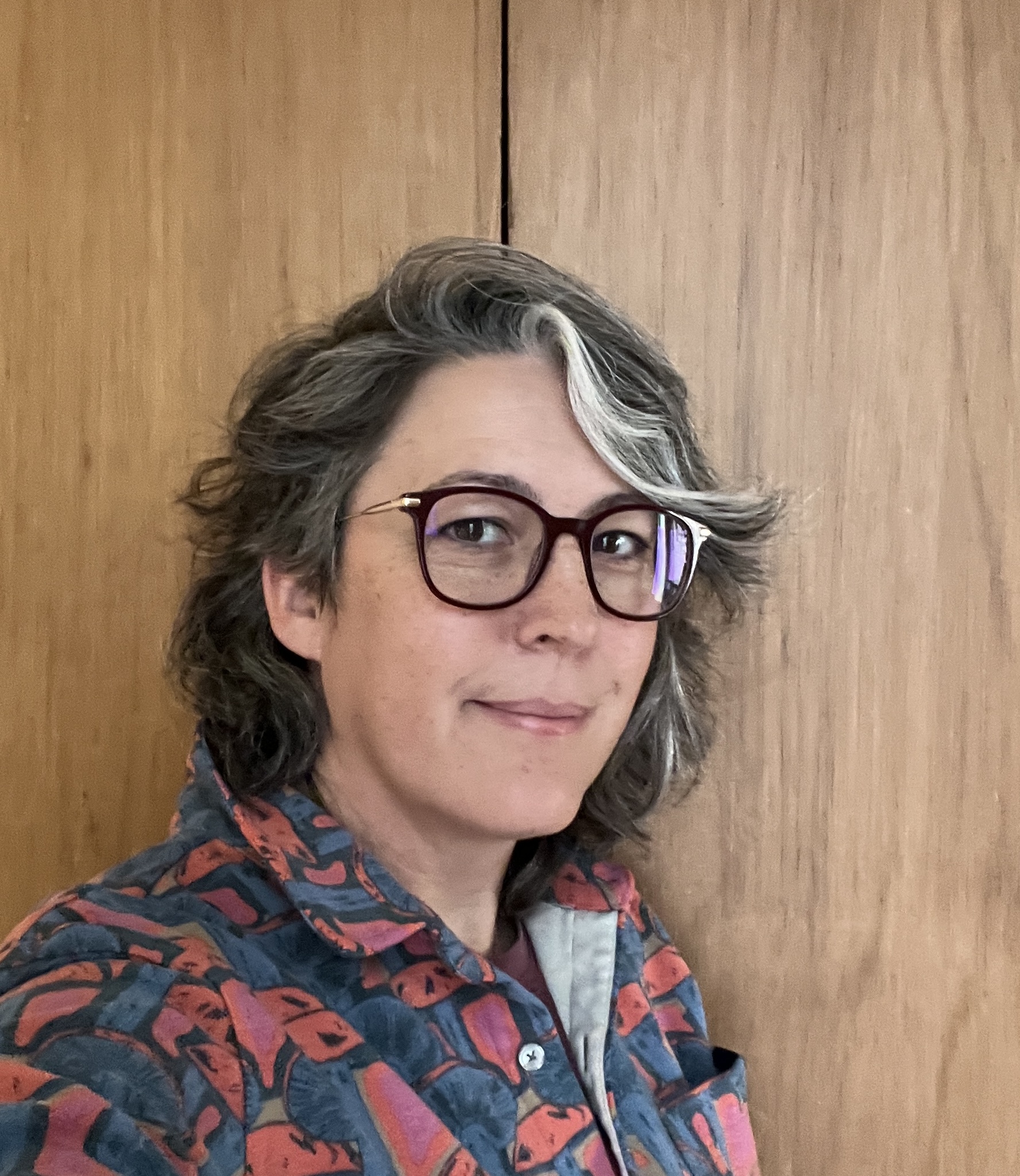
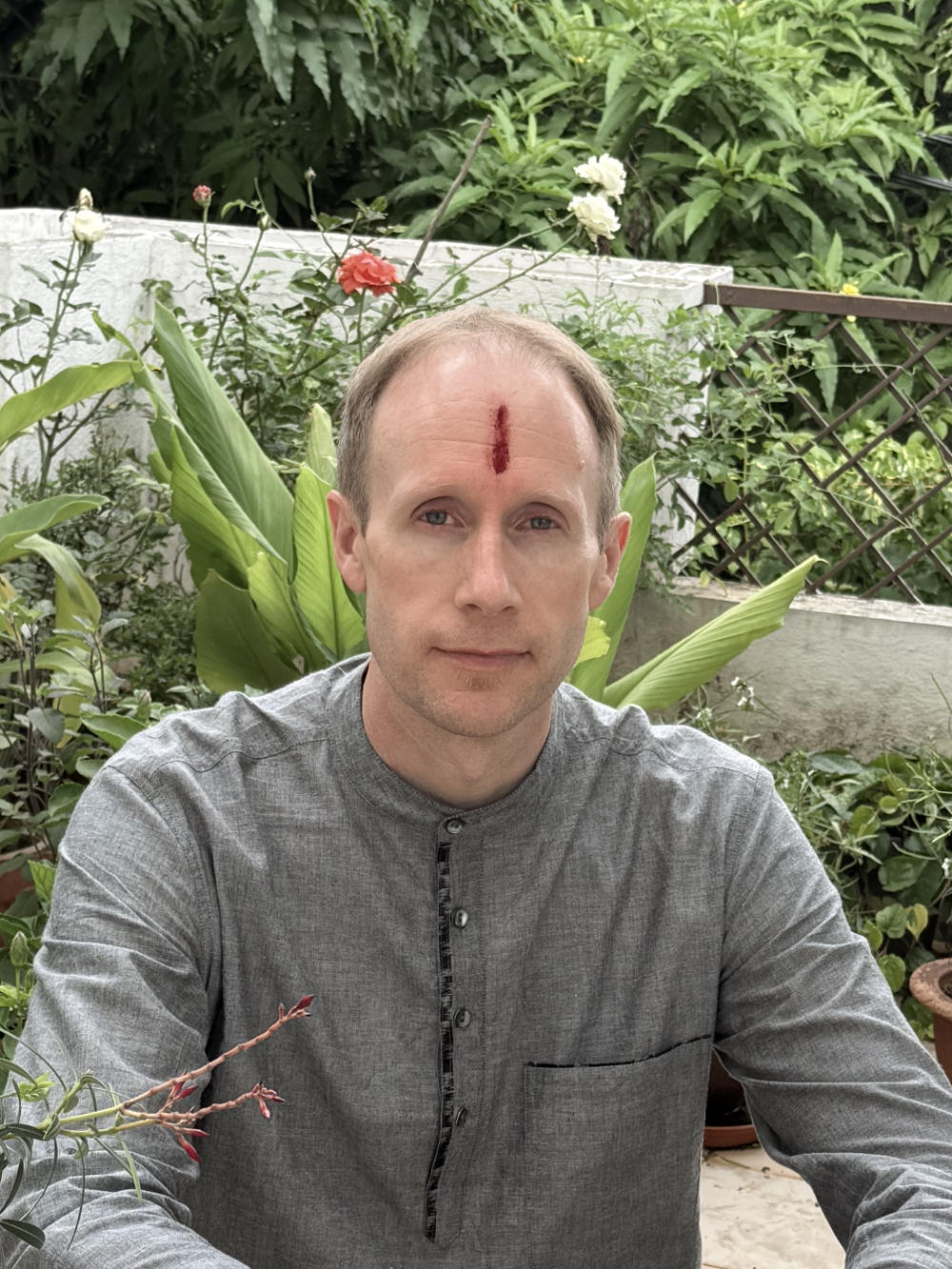
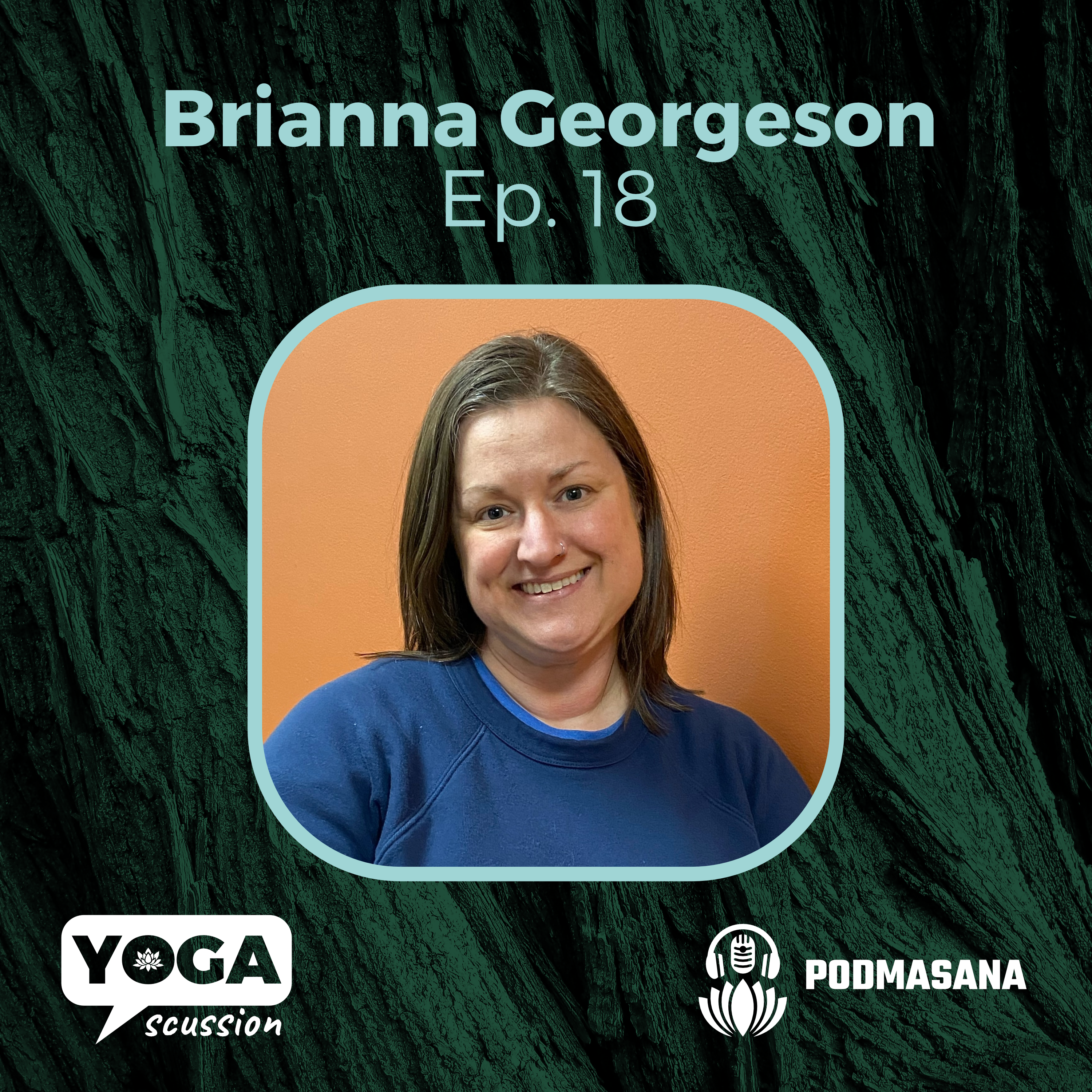
[00:00:45] Speaker B: All right, Gina. Well, we've got Brianna Georgson on this call joining us for a yoga session today. And Brianna and I go back a bit because, you know, she's the owner of Wild Root Yoga in Lincoln, Nebraska, where I taught for a long time. It's where my wife and I met. And it's just such a special space. You know, you and I have each taught in some pretty special studios. And I would say Wild Root Yoga in Lincoln, Nebraska is just one of those very special places because, you know, there's just good vibes there. And I don't think those good vibes continue to permeate if it isn't, you know, being stewarded by just a great hand and a good heart and a great mind. And that's definitely what Briana is bringing to the table. So we will have her join the discussion today.
[00:01:36] Speaker A: Yeah, I'm so looking forward to it.
[00:01:39] Speaker B: Hello.
[00:01:40] Speaker C: Hi.
[00:01:42] Speaker A: Hi, Brianna.
[00:01:44] Speaker C: Hello, Gina.
[00:01:45] Speaker B: This is always like such a great moment, but this is actually still like, warming the cockles of my heart just a little bit more, Briana, because I was just singing your praises to Gina about how special Wild Root Yoga is, not just to me personally, but just in general, and how that special vibe, that special energy, needs a special kind of person to tend to it. And what we always kind of invite people to do at the beginning of a yoga session is to maybe just share kind of like how they came to yoga. And maybe you can also talk a little bit about, like, how the teaching journey became this opportunity to own and take care of a studio.
[00:02:27] Speaker C: Yeah. So first of all, thank you for having me. I'm super excited.
I think my path to yoga might look a little different, especially to owning a studio. So I am excited to kind of share. Share that. So I found yoga in my life, oh, my gosh, like maybe 12 years ago. I think that's probably a fair assessment.
And it was because I was actually a high functioning alcoholic. And I had a good friend that said, hey, I think yoga could do some good for you. And my exact words were, oh, I'm not flexible. I'm not. I'm not going to that.
And she said, it has nothing to do with that. Just let's go.
So I went to my very first yoga class, and I remember literally from that first class being like, oh, my gosh, I have a body.
You know, it was in my head so much. And it was like, oh, I totally forgot I have a body.
And in that class it was so gentle. I don't even think we got off the floor, which is fantastic. So I just kept going. I was like, I want to just, I want to keep going. I want to keep experiencing this. But on the flip side, I was also still drinking and working a really high stress job. And this went on for about a year. And then a year in, I. I woke up. I literally woke up one morning and looked at my husband and said, something has to give here because I feel like I'm living two different lives.
And that's the best way I can describe it. It was like there was this yoga. Brianna. And then there was this like high stress, just not coping well. Brianna. And he said, so what do you want to do? And I said, I think I'm just gonna quit drinking. And I did. And I would not recommend the way I did it. I kind of just went cold turkey. I didn't do a lot of like, help. I just did it. However, the aftermath of that and the things that started to happen, I like to explain as I didn't have any control in all the best ways. It was like yoga just started showing up. The universe started showing up. And it was like, here are all these things that are now available around you because you decided to stop drinking. So I was practicing fairly regularly and I had found Wild root at this point in time.
I had only been practicing there about six months and the owner moved to Montana and I was like, wait, what?
Like, my yoga studio can't go anywhere. This is my safe space. I need this. Like, this is, this is now part of me. And, and I will never forget, I left a relaxation class. It was 8 o' clock at night. I pulled into the Hy Vee parking lot to buy groceries and I'm like, I'm just gonna call her. And I did. I called her and I said, I have a weird question.
What's happening to wild root? And she was like, oh my gosh, I've been waiting for the right person. You're gonna take over ownership. And I was like, no, no, that's not happening.
And I gave her all the reasons why. The biggest one being, I mean, I'd only really been practicing at this point for a couple of years.
It didn't make sense. But even more so, I wasn't a teacher, I didn't teach yoga. And I'm like, I can't own a studio. And she said, and this is very Profound to me. She said, you understand business. And sometimes people forget that piece when they decide to open a business. They just, they want to go with their passion. And she goes, I see your passion on the mat, but. But more importantly, you know, business, you could run this business. You don't have to be a certified teacher to run the business.
And so I spent some time mulling that over.
And long story short, I mean, it's not a secret, because here we are. I ended up, yes, taking over ownership. However, I did get my 200 hour before I took over. I did, like, the fastest track I could. But a fascinating piece of this is that I took over in July of 2020.
So I took over a yoga studio when we couldn't practice in person and was just like, I don't know, I'm going to figure out how to pay the rent and keep this, this place open because it feels sacred and special to me.
And again, I don't feel like I was making decisions. I feel like there was a bigger thing at play. And here we are almost six years later, and wilder Yoga is still doing what it's doing.
[00:06:50] Speaker B: Yeah.
[00:06:52] Speaker A: I love this story.
[00:06:56] Speaker C: Yeah, yeah, yeah.
[00:06:57] Speaker B: I think that, you know, earlier you were referring to this. You know, you either made a call or the call was made for you. And I wonder if that's an experience that a lot of people, whether they're listeners or even Gene and I, I know I connect to it where when that yoga bug bites you and it's kind of inviting you, like, down, down this journey, of course we can say, like, yeah, I made this decision, but maybe there was either a lot of signs or like a deep intuitive sense coming from elsewhere that maybe overtook the doubt. Right. Could you maybe speak to that a little bit, Brianna? Like, what? Actually was there something that made you kind of dissolve or what really made some of those doubtful thoughts just kind of disappear and made you take this
[00:07:42] Speaker C: leap, you know, I'm going to share something with you that I just realized recently. But back in, even high school, early college, I would regularly buy books about yoga and I would read them. But then I was raised in a very conservative Christian family, and I was told regularly that this is not an appropriate practice. And so I would read them really fast and then I would donate them so that it was like I was like hiding something, which is so fascinating now because now I want to flip banners all over the world. They're like, everyone needs yoga. But it. So there was this pull, even from a young age towards something that I knew nothing about. Right. It was, like, ingrained in me. But then as. As far as. As the journey went on, the best thing I can say is I. I stopped thinking about it and allowed my. My body to do a lot of the talking. I knew that every time I would show up on my mat, something so profound would happen. You know, I talk about this now, even when I will, when I do trainings and things, someone will say, well, what about those people that want to come and just stretch? And I'm like, oh, I will always hold space for someone who just wants to just stretch.
I recognize that there might be something bigger at play, and I also recognize that they're still going to get a great stretch out of the deal.
[00:09:06] Speaker A: Yeah.
[00:09:06] Speaker C: And so I think that that was just there. There is. There's something underlying that, if I'm being completely honest, I don't think I can put my finger on a hundred percent to say, like, this is what was happening. But, I mean, I have examples leading up to things that have happened even in this last year, where when I just step back and say, don't let your head get in the way of this.
Don't start getting super logical about figuring it all out.
Let the yogic journey do what it needs to do. Let the universe do what it needs to do, and things just start happening and working out. And so I know that's not a concrete answer, but it is how it feels to me.
[00:09:46] Speaker A: It's a yoga answer, though, right?
I feel like there's always this undercurrent where we come to yoga and it's like, oh, I have a body. Oh, I'm more than just my thoughts. Oh, I'm also more than just my body. But, oh, my gosh, my body's doing this thing. And then all of a sudden, it's like a whole new world opens up and you're like, now I'm into philosophy and understanding, like, trying to understand things. And I feel like that's the story of yoga, is that it's transformative, even if you don't think it is. And I want to say, poor, sweet, little tiny Brianna, like, who was so into those books and just felt like she couldn't.
Like, that makes me so sad that. And this is not a knock against any kind of religion. It's just like, the ways that we limit ourselves through our own culture. It just makes me sad. Like, I can just see a little you. Like, I want to read this and I want to, like, know this. And then feeling scared about that and, like, you're doing something Wrong. Which you totally are not and never were.
[00:10:51] Speaker C: Right. Right.
[00:10:53] Speaker A: Listeners, read your books. Read the books you want to read.
[00:10:57] Speaker B: Yeah, Books are a great source. Yeah. And then Brianna. So it's hard enough to take over ownership of a studio.
Right? I mean, there's a transition there. You're thinking about what's working for the previous ownership, maybe what isn't working under the previous ownership. You're also thinking what you maybe want to bring to the situation, what areas of growth. There might be new ideas. So that's challenging enough.
Right. But to do that during a collective world experience that most would say wasn't positive is adding just so much to the plate. So what was that like?
[00:11:42] Speaker C: You know, I've been reflecting on this a lot lately because there have been some interesting things happening now. And all I come back to is this thought of like, you did the pandemic.
You can do anything. I mean, it really was one of those things that. So full disclosure, I worked full time. I still work a full time day job.
And I think it's important just like, as a little plug here. The reason I do that is that, I mean, Brendan, you know, this, that space is so sacred that this is not really about running a business for me. This is about like collective safe space in Lincoln, Nebraska. Like, that's what feels important to me. But so I, you know, I knew I had a paycheck coming. I knew it. I was safe in that regard. My, my family was safe. And I knew that the people that belong to the studio are. I mean, this is not a knock to anyone who practices anywhere else, but I think they're second to none.
It is, it is.
All of the right souls are, are called to practice in that space. And so, so yes, there were very stressful moments. There were definitely those, like, how do we continue to pay bills for a space that is sitting empty? And the most beautiful things would start to show up. You know, a teacher would say, for the next three months, I don't want pay. A student would randomly send a check in the mail and just say, I need the studio to be open as soon as the pandemic is over, because I desperately need that in my life. So here's some extra money. People that were on memberships didn't cancel. I mean, just. And I know that that's talking money, but that's energy exchange. And it felt so important. And I don't think I even fully grasp that until after the fact. And then I really got to know all of these people as, as the owner that could Face to face, see them. So, yeah, I mean, it was. It was a challenging time. There's no. There's no other way to put it. And yet somehow we started with doing Facebook Live, and then it turned out like, well, there's no way to track Facebook Live, so can we pivot? And we pivot, pivoted to Zoom, and that pivot brought us Zoom. Today we still offer almost all of our classes in person and via Zoom, and that allows us to connect to still friends from other states, friends from other parts of Nebraska. And so that is a beautiful piece that has come out of this.
I think that I'm even struggling a little bit to come up with because it just felt like everything just fell into place the way it was supposed to. Even though I know, I know it was hard.
[00:14:17] Speaker B: Yeah, yeah, yeah.
Seems like the right perspective, right? Because you've maybe your practice helped you learn to trust. Just the universe is gonna lay things out for you. And did you feel, though, that there was anything that you wanted to, like, add to it, you know, even amidst, like the Pandemic? Because, you know, we are, as we take over, like a studio or a business in this transfer, you could, it seems like it would be a natural thing to essentially just want to like, okay, this is my quote unquote, mark, you know, not necessarily from a very egoistic space. You know what I mean? Maybe you even felt called to do certain things. As, you know, there was so much special energy about the studio. Not much in the interior space changed, but from my vantage point at least, is that what was inspiring, is that the experience of the Pandemic seemed to really make the community of the studio really kind of excuse the western reference, but corral the wagons, you know, and like, really support each other and like, make it sustain. And it seems like that mentality permeates through all aspects of the studio. Could you maybe speak to that a little bit?
[00:15:29] Speaker C: Yeah. So, I mean, in the beginning, I don't know, I'll be quite frank. I don't think in the beginning, when I took over, I thought about how do I put my footprint on this? I think it was really just, how do we keep moving forward? But then fairly quickly, after things started to open up, I mean, I was even reflecting back the other day on when we had like, X's on the floor, so everyone was 6ft distance with their mats. And even during that time, kind of getting back into that in person space was A few things became really evident to me. I didn't want to change the name. I Loved that it was rebranded to Wilder. So I am the third owner of that particular studio in that particular space. And I loved that the name had been changed by the second owner. However, like the logo didn't reflect me and how I kind of felt about the brand. And so I knew that that was going to come. I also knew that I wanted to eventually teach. Teach the teachers. And so that that piece has since come.
And then there are some things that have come that were so sorry. Like a teacher training. I do, yes. So I do. I call it community training.
Mine is not a certified through Yoga alliance and I have a couple of reasons for that, that I've chosen that path, but it has felt right for me. What I will say is that my training is extremely philosophy heavy. We do talk about poses, we do talk about the body. I mean that we have to. That is a huge part of this.
But it is much more like don't forget there are seven other limbs and how do we spend time really understanding those limbs? So that was something I knew I wanted to come.
So I got. I actually started my 500 hour training about six months after completing 200 because I knew that that was pulling at me, you know. And then some things have unfolded that again, it was like this wasn't a me and my stamp on the place, but what we were bringing out to the community, it started to pull in some other things. So we now have an embodied dance class that happens weekly. Somatic Release class. It's lovely and beautiful. And as a yoga teacher, I thought I would never go to a class where I would dance in front of other people without being like I look ridiculous. And I probably do look ridiculous, let's be real. But it is. I love it. And it's so I go every Monday night. We now have something called Walk it Out, which is like a low impact class.
But these are body positive classes. And I always told myself we're not gonna be a gym, we're a yoga studio and we're still a yoga studio.
And we're doing things to meet people where they're at, regardless of where we are. So some of. But I feel like some of those things have kind of shown up for me. We've also had the ability to expand in the last two and a half years. So we now are not one studio space, but we actually have two with a classroom. And that has felt really lovely and beautiful too.
[00:18:24] Speaker B: Yeah, absolutely. And you know, you're speaking a little bit to these evolving, I don't want to call them trends because Maybe some of them are going to be short term. Some of them are maybe new norms. It's hard to really say, right. But there is this emerging phenomenon of this movement, you know, based practice offering. Right. Whether we're calling it dance or the walking. And there's been previous yoga discussions with guests kind of about the same topic. And from your vantage point as an owner, do you think it's either related to the pandemic or is it related to other things? It almost seems like, at least from my vantage point, that it's harder for some people to find stillness or connection to present moment from a physical place of stillness. And maybe somehow, just like asana can be kind of like that movement teacher to help you kind of cultivate that awareness. There's something about dancing or even just walking, much like walking meditation, that helps bring people into that space that might be struggling to get to it by other ways. Could you speak to that, Briana?
[00:19:29] Speaker C: Absolutely. So I think you're absolutely right.
I think, oh, I think we have such busy minds, right. Our minds are doing so many things. And unfortunately, I think we live in a society that says that the mind is us, that that is us. And so when someone shows up on their mat, I should say, I don't watch my classes. Like, watch, watch, because I don't. Again, to me, body positive is something that's so important to me that it's like I'm just here to hold space and make sure you're safe, but I'm not watching you. But, you know, there are things that you start to pick up. Like we get into Shavasana and someone can't stay still, or they're, you know, they're just a lot of adjustment. And you, you just know that that poor mind is so busy.
And, And I see this, you know, we offer a weekly yoga nidra, and those, Those numbers are never the same as our movement classes.
And I can't say it enough that literally everyone should be practicing yoga ninja. Like, it was an early practice for me. And I think that's what helped save me, is how do I start to learn to quiet the mind through this type of meditation.
And also, I also partner closely with a lot of therapists in town on some different things. And there is a movement in therapy that we don't just talk about, but we move the trauma, we move the things going on. And so I do think that some of what is happening right now, and I'll be honest, I do think some of it's a trend. And as a studio owner what feels important to me is I usually don't say no to anything. Like, I'll try it once, right? We'll try it once. We'll hold space for it, and we're still holding space for the things that. That are the foundation, right? There's still an Ashtanga class. There's still slow flow and gentle classes and all of these other, what I'm going to call much more traditional asanas.
And if we need to find movement in a different way, that's going to feel like embodied dance feels more important. That's great. Get into the space and start to feel the energy of this space. And then we'll.
Maybe we'll get there. Maybe we'll get to that place where that mind can start to quiet a little and you can get a little more present with that.
[00:21:55] Speaker B: Yeah, yeah. Like, I don't know what you think, Gina, but it seems like.
It seems like if we accept that this truth that everything's energy, right, and everything's connected, whether it's what seems to be the pressure or the dialing up, you know, the decibel in modern society, maybe it makes sense that people feel like they need to move in order to be calm right now. What do you think?
[00:22:24] Speaker A: I do think that, but I also think that it's like we're like, coming out of a sleepiness or we're coming out of a period of, like, where we've associated so much with the mental energy that we have forgotten that we do have bodies. And so you come back into a body and it's like, oh, my gosh, I have a body. And also now that I'm in my body, I'm feeling all of the feelings that I have not been feeling because I've been living in my head. And I think that these really intense kind of movement modalities, like trance dance or dance movements, or even, like, somatics, right, Is just teaching us how to be with really big feelings and sensations, which in dance, what you're bringing up is like, joy and joyousness, you know, and maybe sometimes sadness too, and maybe some grief also can come up in those dance environments. And it gives you a modality to, like, let that move through the body. And I think, like, I'm very interested in, like, how yoga and somatics kind of weave together, because I think if we are not. I think somatics comes at it from, like, a scientific point of view, from like a, you know, like a body keeps the score kind of point of view, whereas yoga comes at it from A more philosophy of just like, how do you as a spirit move through this incarnated world? Right? Like we're all incarnated and I think that they're coming together. So I think that's really interesting because I think there's a.
Yoga becomes. In spaces like Wild Root, yoga become sacred where people can come and move in certain ways and learn how to be with the discomfort of feeling. Because as much as we enjoy being sated, being happy, being joyous, the flip side of those kinds of feelings is deep grief, loss, depression, sadness, isolation, you know, and those kinds of feelings are the ones that we just go into our heads about and we try to intellectualize so that we don't have to feel them in the body.
And I think that's what's so beautiful and precious and amazing about yoga and these other movement modalities. Like, there's so much. There's like tre, which is trauma release, exercise, believe.
There's dancing, there's somatic work, there's yoga therapy.
You know, all of these modalities are like teaching us how to be in our bodies. And we need sacred space for that. We need yoga studios like Wild Root. We need places that gyms are for. Gyms are for like building muscle. And like I go to a gym, I lift weights, I. Look, I. I don't love the gym if we're being honest, but I go there because I need to lift weights and I need to lift heavy things and I need to do that. But I go to a yoga studio because it's sacred. Like you said, Brianna, it's sacred. It's a safe space where my body is not being looked at, where my body is just being a body, learning how to be a body in a modern world that like tries to make it be it, not a body.
Sorry, that was a big long answer. But I think there was some goodness in it.
[00:25:40] Speaker B: Yeah. What do you think, Brianna?
[00:25:43] Speaker C: That was, I mean, yes, I think you're absolutely right. I actually say that all the time, that I don't come to the studio to sweat.
I come to the studio for my mental health, for my well being. I go to a gym to sweat, which is a very simple way of saying that. But I also think that I've had huge somatic moments. I've seen students have huge somatic moments on the mat as well. You know, we can get into just that right pose and it's like, oh gosh, the body starts releasing something and we don't know what's happening. And that's okay. You Know, it's, we don't have to know. Safe to just sob it out on that mat and leave it right there. It's okay.
[00:26:22] Speaker A: Our bodies have an innate wisdom in them that knows when the movement unlocks something that it's okay and that you're safe and you know that the people around you have got that space that you can it go. And it's like, I think sometimes, not to get too esoteric, but gosh, sometimes I feel like we have this idea, especially with talk therapy, that you can just talk your problems out, but there's always this corresponding, like, it's gotta be felt in the body. The body has to have a way to move that out of it or move it deeper or move it into a state where it's being digested or integrated. Integrated is a better word, I think, than digested.
And I think that's what we experience when we have those moments on the mat. And when you see your students have them and it's, oh my God, is it special when someone is having that? And sometimes, you know, you see a student like having a break open moment. I don't like to say break down because I feel like it's a break open where it's like, ooh, a realization or a release. And there's some times where I just want, I physically want to go over there and just be like, I got you.
But I'll literally just feel myself like emanating out like, I got you. You are there doing your thing and I got you right here from where I'm at. And it's so, it's so precious. It's so, it's not the right word. It's sacred. And there's a lot of gratitude in being able to provide that for folks.
[00:27:49] Speaker C: Yes.
[00:27:50] Speaker A: And not have to know what you know, like not have to know anything. It's just like that space was there.
You moved through it.
You know that this exists for you.
[00:28:00] Speaker C: Yes. You know, I think the other beautiful part of, of this is that I have been reminded more and more lately that while I am instructing, or as I like to call it, I'm the guide. I'm not here to tell you what to do, but I'm the guide. Yes, it, that part of my role is holding space. But what I'm finding more and more is how much the class holds space for each other, including for me.
There are times when I have a full room and I am moved to tears at the end. And I'm literally crying in gratitude to the class and my words. Are always just, thank you for holding space for me because this feels safe for me to pour out the gratitude of everything that happened in this last hour. And so it's, to me, it feels like pure magic, if I'm being honest.
[00:28:54] Speaker B: No, I agree. And I think, you know, earlier you were talking about this conscious decision to incorporate more yoga philosophy to Wild Root Yoga or the teaching at Wild Root Yoga. And I think that's interesting because at that time it seemed like Wild Root Yoga had already kind of, whether you want to say carved out or established or found this, whether you want to call it a niche or a space within the community or the town, as kind of the alternative to like a fitness, you know, based yoga studio, which has always kind of been there. Right. And can you speak maybe to why it almost in a way, and you let me know if you don't think this is fair, but it seems like it is. Like you almost chose to almost kind of double down on this sense of like going deeper with this sense of like this is a yoga studio that is in the now catering to the now, but is essentially connected to the past in terms of where yoga has come from.
[00:29:54] Speaker C: Yes, I do think that that is a fair statement.
I will say so. When I very first took over the studio, I spent time reading so many books and not that they were silly, the writers were lovely, but there was a lot of guidance on like, what is your yoga brand?
And the yoga brand that they kept trying to lead, like it was kind of like get, get really into your niche. Well, if you know anything about Lincoln, Nebraska, we're a big little town or city, but it very much has a small town feel because a lot of people from smaller communities kind of come to college here and stay.
And it, it never felt right to me to be like, well, our niche is really going to be like middle aged women or you know, we're going to be more on like the fitness side of things or we're going to be only very gentle yoga classes.
But what we've landed on, and I'm actually not the one who uses this statement, is that we're yoga for everybody else.
[00:30:53] Speaker B: I like that.
[00:30:54] Speaker C: And it's a very broad statement, but that's what it feels like. We're just yoga for everybody else. You don't, you feel intimidated to walk into a yoga studio? Perfect. You should come see us. Um, you don't think that your body looks like someone who belongs on the mat? Perfect, come see us. Right. We're for everybody else. And this philosophy piece really Came from like my own deep interest.
So I think that while it was always there, especially from where I teach from, I don't, I don't, I don't teach a regular one hour yoga class from a philosophical place per se. You know, I don't, I don't get up and talk about the limbs or I, I, you know, I, I might dabble in some chakra space, but I don't even call it that. I'm like, today let's focus on grounding or let's focus on the heart or, you know, maybe we're going to really work in through the throat or something. But I don't even, I don't even use the word chakra, but I could feel the craving for like, we know this is something deeper. And I knew that feeling. And so there's the undertone, is there without the words, if that makes sense. Yeah. So then when I started doing training, I just felt very pulled towards.
How do we start having this deep conversation about the tradition and what brought us to this space?
You know, in, in a, in our culture here, yoga came as a fitness modality. It came as a, there's a certain size that you're supposed to be, there's a certain clothing you're supposed to wear, there's a certain way this is supposed to look. And there was something always deep inside me that said, that's not right because I am not that size. I am not, I don't wear that kind of clothes.
None of those things fit. And so then to deep dive into yoga and be like, that's not what's happening here even a little bit feels like an important story to share.
And then I think about all of the teachers that have been in my life and have said the tradition of this is a spoken word and it is a spoken tradition that we pass along.
And that feels deeply important to me that I can continue to speak.
Here's where this, this originated. And how do we continue to bring this beautiful tradition that I honestly think is meant for every single one of us? How do we continue to just bring that forward?
[00:33:16] Speaker B: Yeah, yeah, yeah. And do you ever think, Brianna, like, how your life might be different if it wasn't for yoga? And maybe a related question is, you've gone on this journey to deepen your understanding of this ancient practice, but do you think the experience of actually owning and taking care of a studio has in a way influenced your yoga practice in a certain way, whether it's opportunities that you might not have otherwise experienced?
[00:33:50] Speaker C: So in a very serious Note what I honestly think is I would not be of this earth anymore if I had not found yoga. And I do believe that. I do believe I was on a pretty fast track to killing myself. So I often say that. That yoga saved my life in a much lighter way. I often say now that in order to grow my practice, I just pick up a new class to teach, because that is sometimes how I get to the mat as a busy person, you know, it's just I'm not getting there enough. Oh, there's a slot open on Monday. Okay, good. I'll just start teaching on Mondays. That'll work great. You know, And I say that lighthearted, but there is some truth in that for me, there are. There's so much about who I used to be that I don't recognize anymore. And I feel like yoga gave me this, like, rebirth space to just be like, it is okay to stop and say, this path is no longer for me and I'm going to pivot. And those pivots have continued to happen. I mean, as a complete aside, I now have my Reiki master. And so that is a piece of. It feels like, importance to me where I'm able to see clients on more of a one on one basis and give this energy work.
I mean, I am profoundly changed because someone said to me, you should go to a yoga class.
[00:35:07] Speaker A: Are you still friends?
[00:35:10] Speaker C: We are still friends. We are still friends.
[00:35:11] Speaker A: I love this. You know, sometimes our friends see things in us or people see things in us that just like, we can't see. And I love that story because I have a friend who also pulled me out of some dark times and was like, hey, you're drifting away from me and I'm grabbing you. And it was like, oh, okay.
[00:35:32] Speaker C: Yes.
You know, the beautiful thing that now, as a teacher and kind of the seat that I sit in is now I will sometimes see a student in class, and I don't always say it to them because I've learned that you can freak people out a little bit. But I will have this thought of like, oh, you're gonna teach yoga. And I can see it and like, you're on. You're on your own path here. What's beautiful about that is usually, you know, six months, a year later, they come to me and they're like, you said something about teaching early on, and I just knew I was going to do it. Does that sound silly? And I'm like, no, I noticed it for whatever reason in you at that time, too. So, yeah, it's beautiful.
[00:36:10] Speaker A: That's really cool.
[00:36:14] Speaker B: Of course, studio ownership isn't all sunshine and rainbows. Right. You know, there are, you know, even if we can wax philosophical about it and then take a teachable lesson from it, sometimes it's a real grind. Briana, you know, sometimes you're presented with situations that you don't expect. Maybe a path forward isn't entirely clear, you know, Cause especially on the ownership side, you're essentially wearing so many hats.
Right. And you're often working with. Even though it's a team or a roster of teachers, there's different personalities. Everyone's bringing strengths and weaknesses. And sometimes there can be certain chemistry amongst certain teachers, like on the roster.
And I imagine if there's any listeners who are owners or curious about that experience. Could you maybe speak to what that's been like for you on this journey?
[00:37:12] Speaker C: Yes, and I'm glad you bring this up because no, it is not always easy. As a matter of fact, when things start to calm down and get easy, I'm always like, someone's about to quit or something's about to happen. That's typically how that goes.
So I. To kind of paint a picture. There are typically about 13 to 14 teachers that are interconnected to Wild Root, whether it's through a weekly class or they're on the sub list.
Yes, we have personalities. We also have two spaces now, which sometimes causes conflict just in.
We have a shared hallway. And so it's like that even the passing of people and like there were people yelling in the hall and we're in the middle of Shavasana. And you know, there's. So there are things like that where it's managing and reminding expectation there. There are moments too, with students that.
That I run into where they're not a right fit in this space. And those are hard conversations to also have that, you know, this is a sacred space. And I hold that in the utmost importance. And so if someone is going to come in and be inappropriate in this space, that is something that has to be addressed. I just can't ignore that. That doesn't. That doesn't sit right with me anyway. But as a business owner, that isn't the appropriate way to respond. Yeah, I often joke that, yes, as an owner, you get to see the good, the bad, the ugly. You know, I am the first person that hears about if a teacher had a knot, a less than ideal class.
But I also get to hear the really beautiful things where, you know, inevitably someone comes in and says so and so had this amazing class today and I happen to know that they're struggling, you know, and it's like, this is perfect. It's not coming from me. It's coming from a student saying how beautiful it was. And so I know you're having a tough time, but you had a lovely class. And so, you know, there's those pieces. And then we are in a strip mall.
So that in and of itself brings its own challenges. We have an ace Hardware next to us, so sometimes we have to joke that the sounds of carts rolling next door can be part of our practice, that we can. We can allow in the noise. You know, we're. We're off of a busier street, so sirens. Sirens are fairly normal. And we actually had an incident this last year where they moved in a tenant next store that was not ideal. And it was. I think it's okay to share. It was a drumming studio.
They taught drumming lessons, and I think they do beautiful work. And they're a. It's a lovely organization and an incorrect fit for a yoga studio. And so, you know, it was that. Those are interesting things to have to navigate as an owner and, you know, to be fiercely protective of my space and say, this studio has been here for nine years and a drumming studio is not an acceptable neighbor for us. When you have air ducts that share and it sounds literally like drumming, sounds like gunshots coming through air ducts, it turns out.
And we found out they were moving in the night I had veterans yoga happening. Oh, my goodness. It was an interesting evening.
So. So yes, there's. There are these things that are happening behind the scenes. And I'm not. I don't want to sugarcoat. I wouldn't trade it for anything. I think that's part of owning a business. But there are. There are hard days. There are days where sometimes people get a little too people y. And. And I have to take a step back and just say, you know, we. Let's all remember why we're here. Let's remember what we. What we come to our mats for. And then, you know, I have my own sounding board where I don't have all the nice words. And I also have to kind of spew that out a bit before I go. Go and address. Because I'm human too. And so that's. That's part of it.
[00:41:04] Speaker B: Yeah. I was just thinking, you know, like Gina, I think, has said, like, humans are gonna human or something to that effect. And I. When you were describing that experience, I was trying to imagine you, like, inviting like a landlord or something to just sit down with you and share a pranayama and meditation session, and then maybe you could arrive at, like, a mutually agree.
But it seems like there's still some times where you almost have to embody this almost like, stern and direct mindset. You know, when you are wearing the owner hat, you know, you can't always just smile and, you know, try to just wish something into, like, existence. Obviously you can come at it with a lot of good intention, you know, and wishes, but there's these times where you just have to meet the brass tacks of owning a space, advocating for a space. So I think that's just an amazing example, Brianna, of how. What are the challenges of ownership and why it maybe isn't for everyone.
[00:42:03] Speaker C: Right, Absolutely. I think. And I do think that's where that business hat that, you know, Kelsey, the former owner, was seeing in me, like, you have this. This business sense. I don't mind being direct when I have to.
I do think that as my journey has gone on, that's something I find that is less and less important. Important to me to be direct.
However it. I. I can put that hat back on.
And so, yes, there are those moments. And it's here. Here's what I would say to anyone who wants to start any business. It wouldn't even have to be a yoga studio. It's just not for the faint of heart. There's just so many things that happen behind the scenes that. That you have to be able to kind of roll with and be like, that's going to be a thing today. Okay. And let it be, let it, let it happen. And yes, stand up, be direct. Do the things when you need to. And also, sometimes it's.
Thank you so much for your feedback. I appreciate that. And I'm going to move on.
[00:42:59] Speaker B: Yeah, yeah, yeah, yeah.
[00:43:02] Speaker A: In a lot of ways, you're like a yoga warrior for your space. You know, like, you're the guardian.
You're like. I keep getting this image of just like Veerabhadrasana, right? Like, you're the warrior. You're. You are guarding the sacred space and you're using your language and your energy to do that. And like, also, yoga was a practice for warriors. Right. It honed the instrument of the physical body and the mental body. So it's beautiful.
I never really thought about being a studio owner like that before.
[00:43:39] Speaker B: Yeah, I mean, you definitely have to advocate and, you know, maybe there's so. It's. There's these grind moments, but maybe you can speak to, like, these really, like, oh, my goodness, like you wouldn't have these experiences otherwise. Right? Whether it's kind of seeing people work together or seeing if you want to call them students or clients in the studio. Can you maybe talk about some of the real positive experiences you've had, Briana, as an owner that you really cherish?
[00:44:09] Speaker C: Oh, gosh, yes. There's. Honestly, I would say there's probably so much more of this than there is of the hard times. You know, I. Early on with the studio, I had the mindset that, like, as the owner, it's like I'm making the decisions. I'm making the decisions. And I learned pretty quickly that I am lucky enough to be this one that stewards that space.
I'm making no decisions. And so the more I was just open to what do the teachers around me want to do, what do the students want to see in the space? You know, it's how we ended up with something like a groove. Groove is the somatic dance class. We ended up with groove in the space. It was just like, yeah, let's try this out.
The community that's built there, I cannot tell you how many people have told me, I mean, we enjoy our yoga classes, but we love the people.
We love.
Even just that here's 10 minutes of connection before class and 10 minutes after. You know, that type of connection is so meaningful. And it has grown into. Now we have some specialty classes where it is more deeper connection. You know, there's a new moon workshop every month. There's a full moon cacao circle.
And so in those spaces, we're seeing this, where I get to watch, like, true community blossom. I also don't lead either one of those, which is lovely because I get to. To participate and sit back and just kind of watch how this unfolds. And where the. I feel the pandemic really hurt us is this. And I think our world and technology and all of those things too. But we disconnected so much, and people are craving that, and people are still trying to figure out how to get back to that.
And that's what I get to watch happen at Wild Root. I get to watch people come together. And I love when I have someone who's newer and it's like I get to watch these little light bulb moments where it's like they're on their mat and they feel their body, and then somebody connects with them after class, and they're like, my gosh, that was so kind of them. Why are they so kind to me? They didn't need to be that kind to me. And then they come to something specialty, and by the end, you know, they're moved to tears because they're like, I didn't know this was even missing from my life.
And so I don't think.
I always say, I don't think this has anything to do with me.
I just hold the space.
Right. It has nothing to do with me. This is so much bigger than me. And I just want to continue to create that. How do we continue to hold that kind of space? But I do. I get to watch it. I think every time I walk in there, I get to see something that is just this profound example of. Of true connection happening in a way that we just don't get every day anymore.
[00:47:01] Speaker B: Yeah. And it's, you know, we've touched on it in other yoga discussions, but it's the big C community, right? And people find this in a place of worship. People, especially in this country, can find it in a gym, even. They find it at yoga studios. And it's that kind of nice vibing that happens with other people once they feel like they've found their community. Right.
And one of the things that I was always touched by over the years that I taught at Wilder Yoga is that even if there was people who weren't going to other classes, it did seem like. I know you made the joke earlier about, oh, the people in the hallway, like, shouting or whatever, and that's obviously irritating. But there's also all these times where people are passing each other and they're coming from different classes, and there's just that moment where it's soul recognizing soul. And I think from my vantage point, I think, as a teacher, I think that's one of the reasons why I was always drawn to these types of community is because consciously or not, there were people or there were souls who were essentially just trying to vibe at that same frequency. And I admit that in life now, the thing that I.
I don't want to say that it makes me sad or frustrated, but it's something that I've definitely been observing. I want to even say, over the past year or so, you know, 2025 and 2026 have been pretty interesting, is that, you know, I'll go around and at the grocery store or if I'm just in a public place and as I'm walking by people, I'm. I'm trying to act like I'm in the yoga studio. I'm trying to smile at people. I'm trying to, like, make eye contact. I'm essentially trying to acknowledge the other soul. And it seems like now when you're outside of these spaces, it's more analogous to ants just kind of going past each other and just kind of doing their own thing. And that's not to try to complain, but if anything, it's probably try to speak to the value and the importance of not only the studios, but people like you, Brianna, who are really taking the weight. Even though it doesn't seem like it feels like much of a weight, but you are holding these spaces. You're keeping them open for people. So, yeah, it's important stuff.
[00:49:05] Speaker C: Yeah. It's funny you bring that up about kind of passing people. And my husband and I have this conversation regularly. You know, I will come home and say, oh, my gosh, these things happened at work. And it's like. Like, they wouldn't even acknowledge me or. And he's like, since you've become a yogi, you kind of forget what it's like to be in the everyday world. And I'm like, I know. I know. I do. I know that I forget that people are kind of in their own thing, and they do forget to stop and smile and. But I have noticed that the more I do that, you know, in the grocery store, that you'll, like, watch someone, like, brighten up, like, oh, my gosh, this strange lady's smiling at me. And it's like, yes, we. We are meant. We are meant to connect. And so I. I don't. I think I've gotten to an age where I don't care if I'm the crazy lady at the grocery store that's smiling at everybody saying, hi. Right. I'm okay with that because we need more connection. So it's good.
[00:49:58] Speaker A: Yeah. I love the bumper stickers that say, stay weird.
Weird people are cool. I mean, weird people are what make the world super interesting.
And I'm like, yeah, stay weird. Be your weird self. Like, that's what we need. We need more weird, strange, cool people who are just like, hey, you know, hello.
[00:50:21] Speaker C: Love it. Yes. Yes.
[00:50:25] Speaker B: Well, Brianna, I just wanted to, you know, say thank you for joining us for the yoga discussion, but also just, you know, Wild Root is such a special place and in a really amazing way. Yoga discussion wouldn't even be happening, I think, if it wasn't for Wild Root Yoga. So just. Thank you so much for just continuing to take care of the studio and everyone who goes to it. And I miss those days, but I'm still, you know, there in spirit. And where can people find out more about either you or Wild Root Yoga?
[00:50:59] Speaker C: Absolutely. So we are wildrootyoga.com or you can find us on Facebook. I will tell you, there is another Wild Root yoga out there in the world. It is in Ohio.
So every once in a while we have some mix up between us in Ohio. It doesn't happen very often these days, but that does happen. But yes, wildrootyoga.com is our website where you can find everything.
Obviously, we do have zoom options, so if you're like dying to practice with us, you can.
And I do want to just. Brendan, thank you for all that you have done. And I know that in your Ashtanga class they still regularly talk about you and miss you. And so we know how special you are and were to that space as a teacher. So thank you.
[00:51:43] Speaker B: Yeah. Oh, got there.
[00:51:48] Speaker C: And Gina, you are welcome to come visit us anytime.
[00:51:51] Speaker A: Yeah, I might have to do some zoom classes.
[00:51:55] Speaker B: It's a special space filled with special people.
[00:51:58] Speaker A: I just want to thank you for sharing your story about your addiction and how yoga helped you come back to herself. I mean, I think there's a lot of people out there who can connect to that. And, you know, when I first started doing yoga, I was a smoker and I'd go to yoga class and after class I'd light up some cigarettes, man. And it was like, for a long time I just did that. And, you know, eventually it got to a place where it was like, oh, yeah, why am I doing this?
So I really. I feel grateful that you share that story. It's a vulnerable place to be, and I think a lot of listeners can resonate with that. And also thank you for being such a great steward of sacred space. Like studios are sacred space and community centers at the same time. And that is beautiful. Good work to do in this world.
[00:52:48] Speaker C: Yes. Well, thank you. Thank you both. This was. This was so much fun. I had a great time.
[00:52:53] Speaker B: The last question we have for you is if you could describe what yoga is to you in three words, what would they be?
[00:53:09] Speaker C: Yoga is the soul.
Yoga is connection, and yoga is magic.
[00:53:17] Speaker A: Yeah.
[00:53:17] Speaker B: Oof, oof.
Love that one. Especially the last one.
[00:53:23] Speaker A: I need to make that a bumper sticker.
[00:53:25] Speaker B: Yeah, print the bumper stickers. Tina, print the bumper sticker.
[00:53:27] Speaker C: Let me know when you have the bumper sticker. I'll order one.
[00:53:30] Speaker A: Man, this is going to be my side biz. Like, this is how I'm going to do my retirement. It's just weird bumper stickers that I'm making.
[00:53:39] Speaker C: Love it. Love it.
[00:53:42] Speaker B: Want to get early access to ad free episodes of the entire growing Yoga Discussion archive as well as live recordings. Want to submit comments and questions to the guests and the hosts?
You can join the Yoga Discussion Circle and receive a link to join each Yoga Scution episode as it's recorded. During the recording, you will have the chance to ask questions and participate in the Yoga Scution yourself.
Feel good about being a sustaining member of the show while also joining the Yoga Scution with us.
Thanks for listening and we look forward to you joining the Yoga sketching soon.
[00:54:31] Speaker C: Sam.