Episode Transcript
Gina Clingerman (00:00)
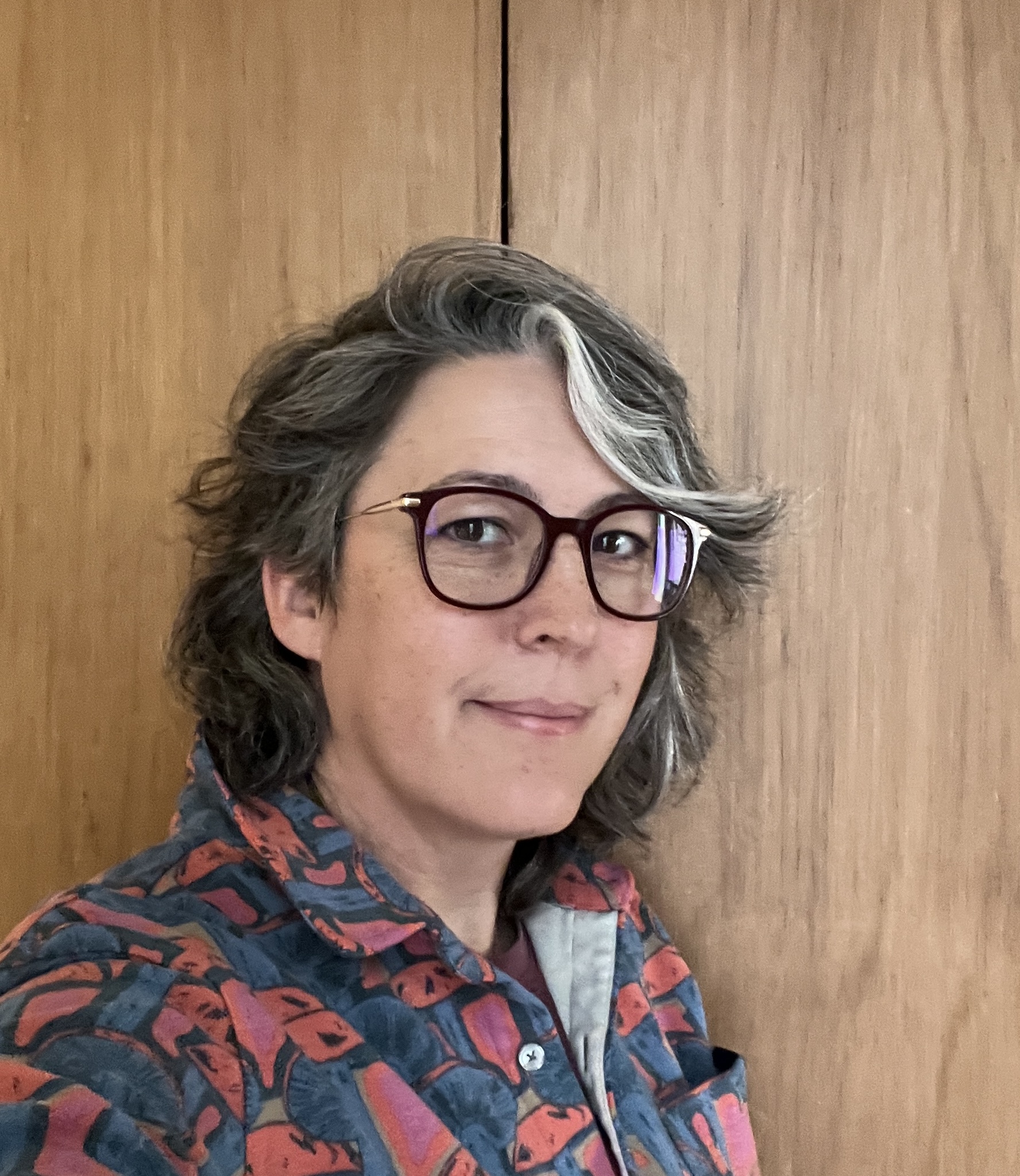
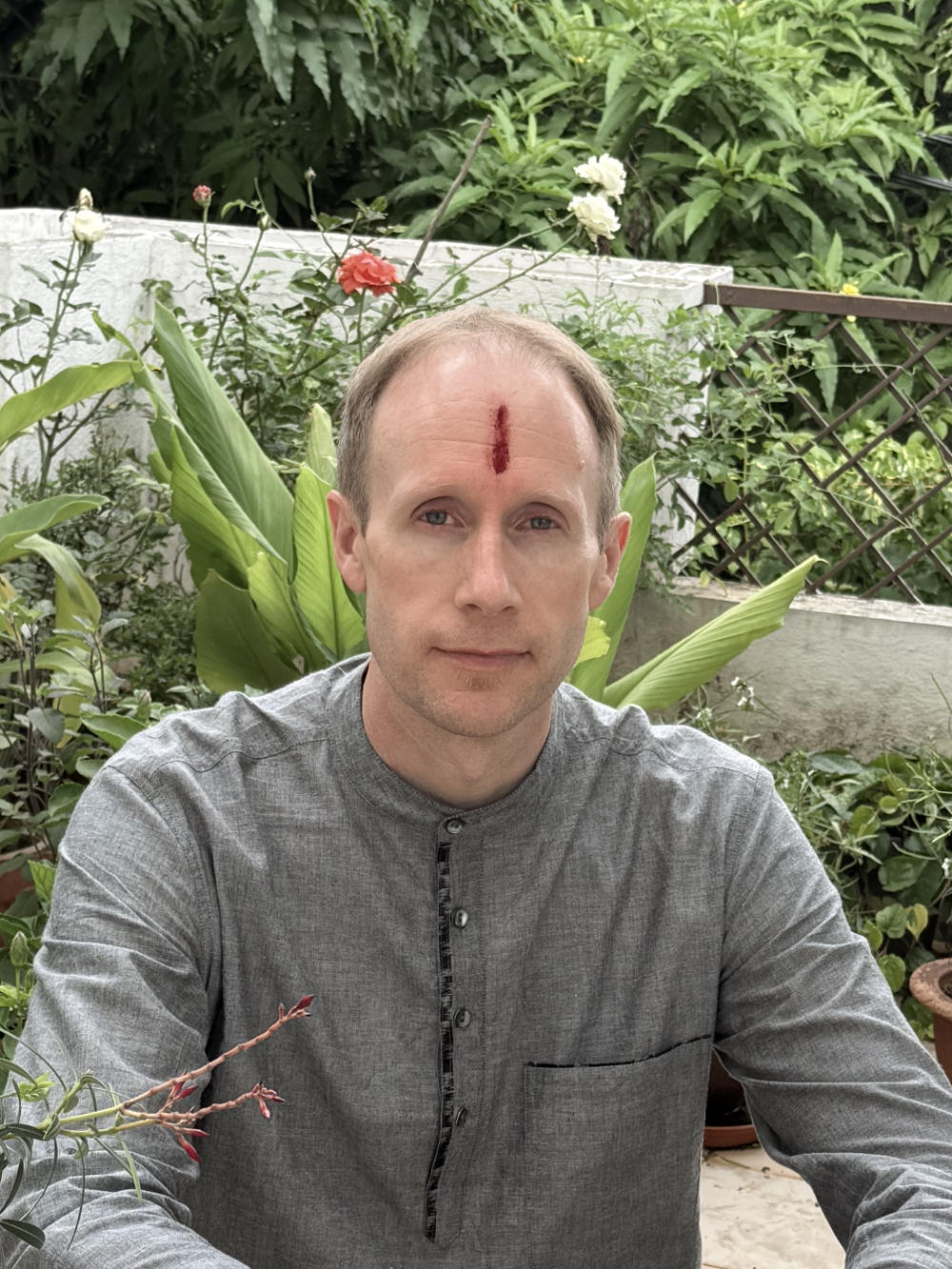
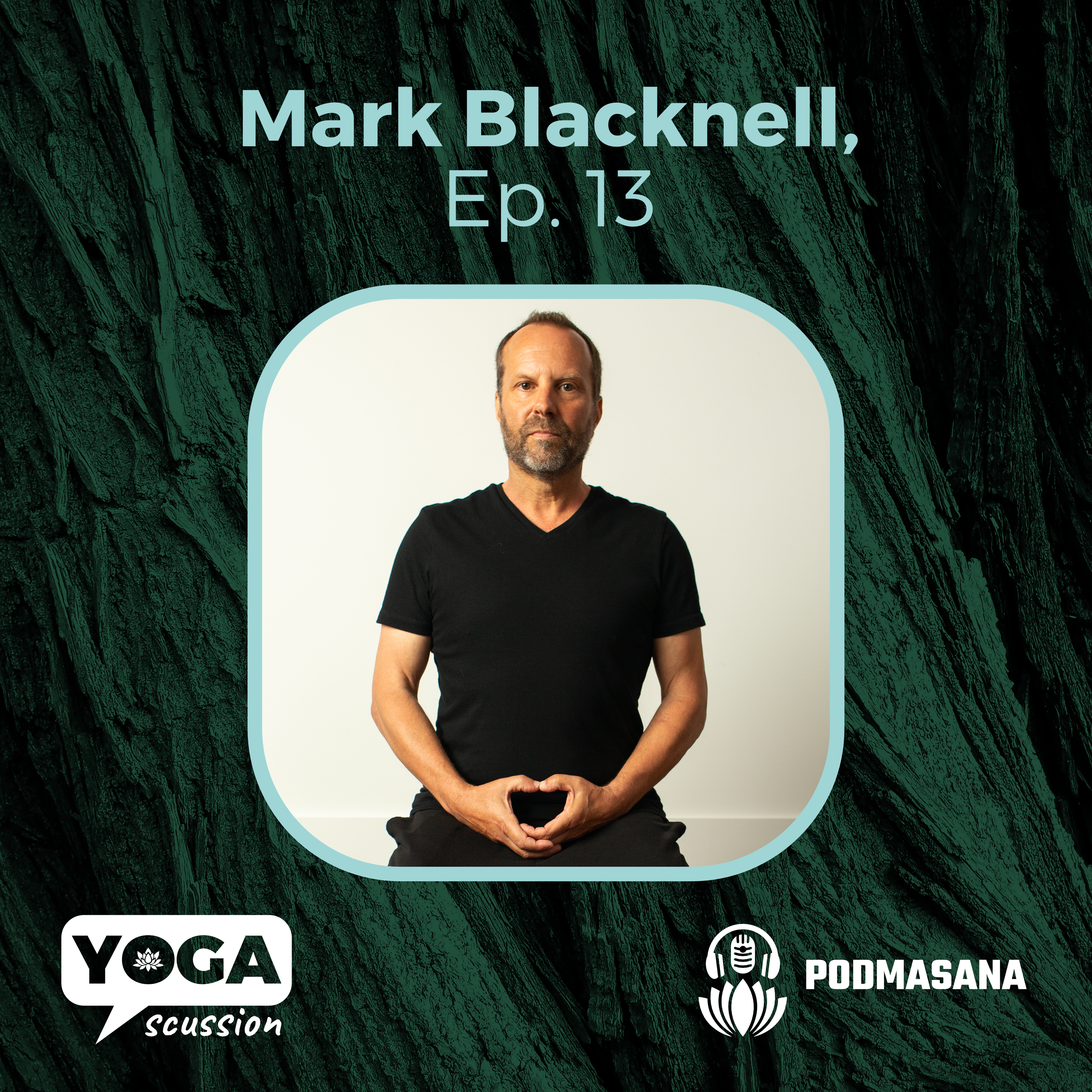
So Brendon today we have Mark Blacknell on he's a Marine veteran, ⁓ a meditation guide and a lay interested Zen meditation guide. He was trained in the Sato Zen instruction. And he works primarily with seniors inmates and
individuals of all stripes. He works with everybody, but he has focused more on seniors and inmates and people who are kind of marginalized. And yeah, he helps people find a pathway into meditation. And I think our discussion with him is gonna be really great.
Brendon Orr (00:33)
Yeah, he's got such an interesting story, so I can't wait to hear it.
Gina Clingerman (00:36)
Hi Mark.
Brendon Orr (00:37)
Hey, Mark.
Mark Blacknell (00:38)
hi, how's everybody doing?
Brendon Orr (00:39)
Yeah.
We're doing good. We're doing good.
Gina Clingerman (00:40)
Yeah, good.
Welcome to Yoga Scussion so excited to have you on. And I was wondering if you could maybe give us kind of a little introduction to yourself and our listeners, a little introduction to yourself and your background and how you got where you are right now.
Mark Blacknell (00:57)
Well, that's a long, windy road, very bumpy. Okay, good, good. Well, I grew up in working class Philadelphia. So it's a suburb called Delco. And the people from Delco were pretty tough people, very skeptical. let's just say we don't put up with any...
Gina Clingerman (01:01)
Hahaha
Brendon Orr (01:03)
That's all right, we've got good shocks on this show, so I think we're ready. And plenty of fuel.
Mark Blacknell (01:27)
bull. So my my childhood was ⁓ pretty tough. There were a lot of bullies and most of the adults worked either at factories or other jobs, long hours. And the kids just kind of ran around on our own, which had its advantages, but it also we didn't have much protection. There was a lot of drinking the parents, you know, partied hardy, they worked really hard and
Gina Clingerman (01:28)
Hahaha
Mark Blacknell (01:54)
I don't blame my father. He worked at a automobile plant about an hour and a half away. So he drove into the city each day in traffic. And by the time he got home at eight in the morning, you know, he worked the midnight date shift. He was exhausted. And so it was a tough childhood. I wasn't a very good student. I was into sports. So everyone was worried about what my future held.
Gina Clingerman (02:11)
Yeah.
Mark Blacknell (02:24)
So I got a job with the Teamsters Union. Jimmy Hoffa Jr. was the president of the Teamsters then. Yeah, so that was tough work. That was like three o'clock in the morning. I had to be there and I worked till about eight or nine, sometimes longer. It was dusty and it was hard work. And it was there where I got a little bit involved in illegal gambling.
Gina Clingerman (02:32)
Wow.
Mark Blacknell (02:54)
Back then it was, everything was, you know, under the table. It's not like it is today where ⁓ gambling is legal. And I got involved ⁓ slowly but surely taking bets and I became a bookie and I became part of a little crew. But back then I didn't really understand the significance of it all. It's looking back that I'm, I can't believe.
Brendon Orr (02:57)
grade.
Mark Blacknell (03:18)
that I was involved in any of that. But the point is, is I had to get out of Philadelphia quick so I joined the Marines. Yeah, I figured, you know, I'd get away from all the stress, join the Marines.
Brendon Orr (03:26)
Yeah, that'll do it.
Gina Clingerman (03:35)
Yeah
Brendon Orr (03:37)
It's a choice.
Mark Blacknell (03:38)
It certainly was a choice.
I joined the Marines and I spent most of my time overseas. It was during the first Gulf War. And when I got out, I was traumatized and I was drinking heavily, PTSD symptoms, diagnosed. Well, back then, there wasn't really the support there is now. So I didn't seek treatment until about
Gina Clingerman (04:00)
Yeah.
Mark Blacknell (04:04)
It was about 20 years, maybe 15 years after I got out, I was living in Maui and my daughter was about to be born. And I figured, okay, I better get help now. So I went to the VA and my mental health struggles, I'm very upfront with them because that's what led me to meditation practice.
Gina Clingerman (04:25)
I love that.
Mark Blacknell (04:31)
You know, most people, including myself, we crawl to practice. We're just looking for something, anything, besides traditional, you know, in the West, we're probably gravitating away from traditional type ⁓ religions and we're looking to experiment. And that's pretty much what happened with me. There's a lot in between. I lived in Israel on a kibbutz.
did some great scholarships in Australia and other places. I got to travel the world, but the whole time I was somehow keeping it together, but I was relying a lot on alcohol and I hadn't sought help. And I finally sought help in Maui before my daughter was born. And that's kind of what led me to meditation. I had to be stable enough in my life.
to actually stick with it and take it relatively seriously. I don't like using the word seriously because we can take our practice way too serious, but I mean, ⁓ before I became disciplined with it and trusted it so much that now I can't imagine my life without it.
Gina Clingerman (05:35)
Yeah.
Brendon Orr (05:45)
Hmm. I'm wondering, Mark, that's a very honest story. I'm wondering if there was a specific moment or period where you thought that you're ready to try something as simple as like staring at a wall. That's really what you try to emphasize like in your meditation teachings, right? Was there a specific moment? Was there a specific period or was it this progression to get to that point where you were more disciplined and incorporating this into your life?
Mark Blacknell (06:11)
Yeah, I started meditating in Israel. People there do a lot of Vipassana and they turned me on to it. But my posture was terrible and there was no real rhyme or reason to it in my mind. I'm not putting it down or anything. But for me, it just, it didn't make much sense to me. But I did it. For some reason, I felt, this sitting here like this is...
there's something to it. So it was always in the back of my mind and I was always doing it here and there. But I didn't just start staring at a wall until I read a book called Zen Mind Beginner's Mind by Suzuki Roshi. And I would have never read it on my own. I was totally turned off to spirituality after living on Maui.
I just really got turned off. A kid from Philly just could not relate to the scene there. And I saw a lot of hypocrisy and it kind of turned me off to everything, Buddhism and any type of alternative spirituality. But I had this really good, he wasn't really a good friend, but he was someone I seriously respected who is far older than me. And I just bugged him.
Gina Clingerman (07:06)
Mm.
Yeah.
Mark Blacknell (07:29)
for years and years and years and he kept telling me, read this book. I'm telling you, man, it's not a normal book. He said he agreed with me about New Age philosophy and gurus and things of that nature. And he said, I'm telling you, just read this book. And I put it off and I put it off and put it off. And finally I read it. And after a few pages,
It just said, put the book down and I can keep talking and talking and talking, but you just need to put the book down and meditate silently in the zazen posture. He didn't say staring at a wall, but that is a tradition in Zen. The Bodhidharma stared at a wall for seven years. And that's when it all started. I just started doing it. I didn't know what I was doing. And I was asking the man who became my teacher later,
you know, all kinds of silly questions, but really they weren't silly. But looking back, it's a little embarrassing. You know, having these mystical experiences and he would say, just sit, just sit, just stay in the posture no matter what every day, sit, sit. And I just kept doing it. You know, at first it was on a park bench on my lunch break. And then I realized it's a lot of stimulation.
Gina Clingerman (08:30)
you
Brendon Orr (08:52)
Mm.
Gina Clingerman (08:53)
Mmm.
Mark Blacknell (08:53)
You
know, there's people running by, squirrels, the wind, weather, the sun. Nature is full of stimulation. Sometimes that's great, but in order for me to sort of, I just sense that I need quiet and I need stillness and I need all of the harried stimulation and distraction. I just needed it to slow down a little.
Brendon Orr (09:21)
Hmm.
Mark Blacknell (09:21)
And it
was all intuitive and just listening to Suzuki Roshi. He promised nothing, which that impressed me. And he didn't even write the book. It was his students compiled his lectures. So that appealed to me as well. I just trusted. And I think in spiritual practice, that that's the key trust. You have to trust your practice, not a teacher, not a book.
Brendon Orr (09:42)
Mm. Mm.
Mark Blacknell (09:50)
not an idea or a theory, the actual practice itself. And I just slowly but surely started to trust it and trust it. And the stability and balance just very simple stability and balance it mimics the balance of nature. mean, we can think that the world is off balance.
and that we're off balance, but truly in order to even have that thought or live in the world, it has to be relatively balanced. We have to be relatively balanced. So I started through the balanced posture by actually practicing balance. I started to realize, wait a minute, I'm balanced. I'm part of that. And then after many, many years, I realized, wow,
I am that. But you have to be careful with thoughts like that. I'm very careful with that because if we start thinking we are that, we can forget that we're human and we're gonna make mistakes. We're just human. So the way I explain it is I just get down into a balanced position each day and it rubs off on me.
Brendon Orr (10:45)
Hmm.
Gina Clingerman (10:46)
Yeah.
Mm-hmm.
Mark Blacknell (11:07)
I really don't need to think much more about it. So I just keep it simple. Just put myself in a balanced position and see what happens. the only thing I instruct is how to put your hands and your posture, the zazen position. Besides that, I guide people, but I don't...
I don't give them any expectations of what's going to happen because I found this is just me too. I'm not criticizing guided meditation or theory or anything like that. I want to make that clear. But for me, I realized after many, many, many years, what was planted sort of an expectation I had, whether it be theologic or Buddhism or my teacher or even Suzuki Roshi.
And I wanted to kind of see through as much of my influences and my culture and my upbringing and even my genetics and even my physical body as much as possible, which isn't much in the big scheme of things, but it's an interesting experiment nonetheless.
Gina Clingerman (12:13)
Mm-hmm.
Brendon Orr (12:13)
Yeah
Yeah.
Gina Clingerman (12:20)
Can you describe what the balance posture is? I just want to, for our listeners and for myself, just like, can you describe what that looks like in a body?
Mark Blacknell (12:29)
Yeah, it's just your hands. I don't know if you can see me, you can, but I don't know if the audience can. It's just a left hand and a right hand. And then the right hand goes over the left hand and then the right thumb touches the left thumb. So if you just see that that's balanced, it's left and right joining together as one and it forms a little heart, which is the cosmic mudra, but I call it a heart. And then when you put your
Gina Clingerman (12:33)
Okay. Yeah.
Brendon Orr (12:52)
Hmm.
Mark Blacknell (12:57)
your dominant hand over your less dominant hand. And when you drop your hands down to your lap, if you look down, your less dominant hand is pointing up. So your dominant hand is down. So it just reverses the dominance. That's balance. My left, you can sit various ways. You can sit in a chair. I'm an advocate of that because in the West, we don't sit on the ground. I mean, maybe when we're children, we do.
Brendon Orr (13:14)
Mm. Mm.
Mark Blacknell (13:27)
but it excludes a lot of people without flexibility. If we say you have to sit in a full lotus, a half lotus, I sit in a kneeling position. I had no clue what I was doing. When I looked around the Zendo, nobody else was in a kneeling position. So I thought I was doing something wrong. And I tried to do a lotus and practically hurt myself. So, but in my position, my left,
knee is down, my right knee is down, my left and right cheeks are on my pillow, my knees are on the mat, my left and right shoulder are even and back a little and balanced. I try to keep my head as straight and balanced as possible. So you could look at left and right ear being balanced. You could look at
eyes, you could look at your chin. But your whole body is balanced. I mean, as balanced as each individual can be, it doesn't need to be perfectly balanced. But it's the not even the intent, I have to be careful that this whole balance concept of mine didn't come until later. I just sat with no intent.
Gina Clingerman (14:31)
Yeah.
Mm-hmm.
Mark Blacknell (14:48)
with no expectation, with little guidance, and just watched, kind of like I was binge watching the series of Mark after day after day without the popcorn, you know, and it's a little painful sometimes, and sometimes it's easy, and it's, what I noticed is every single solitary day, I am a different person.
Brendon Orr (14:53)
Hmm.
Gina Clingerman (15:01)
Hahaha
Brendon Orr (15:01)
Yeah
Mark Blacknell (15:16)
if I'm really paying attention. And I also realized that each day is completely different. Like today, for instance. So I've been meditating all these times, this time I guide people, but I'm very clear that I'm no expert, I'm no teacher. I just help people become their own teacher. I make that.
Gina Clingerman (15:17)
You
Mark Blacknell (15:38)
I think that's the teacher's job upfront. It's their responsibility for people not to have unrealistic expectations of them or turn them into, you know, more than human. But today, probably because I was in Western Canada and the time zone was different and I came from Canada late at night and then had to go into work in the morning, I work with seniors.
Brendon Orr (15:50)
Yeah.
Mark Blacknell (16:04)
in assisted living. It's more of a calling. It's not a career. But anyway, I had to get up early, go straight to work. And then I worked every day this week and I'm a little jet lag. And for whatever reason, the PTSD symptoms came up. So it's not that they're gone. The tightness in the neck, I got a little irritable. But instead of
Gina Clingerman (16:21)
Yeah.
Mark Blacknell (16:31)
thinking it was going to take over and, no, I'm going down a spiral here. It was, wow, I am so glad I don't live like this. It was, what a great reminder. And then I realized that the focus that I get every morning by meditating, it's like a piercing focus through everything. It's wild. Every morning,
Gina Clingerman (16:42)
Hmm.
Mark Blacknell (16:58)
When I sit, I'm wobbly. It feels like the whole world's wobbling, you know, from whatever happened in bed, a dream or I didn't sleep well or whatever. It doesn't matter. I don't analyze it anymore. Everything seems wobbly. And then it just settles down and comes to a focus. And then I'm there. And then I know it's done its work. But today, that focus and that awareness, I'm irritable.
Gina Clingerman (17:20)
Mm-hmm.
Mark Blacknell (17:26)
Don't take it out on my coworkers. Don't take it out on the seniors. Don't take it out on the kids. Don't use it as an excuse not to pay attention to what you're doing. That focus, I realized it. Most of the time I do it, but I realized it only because of the suffering, because I was suffering. So I had that realization because of the suffering.
And then what that did to me is it turned that suffering around and it was no longer suffering, it was my teacher.
Gina Clingerman (18:05)
That is powerful.
Brendon Orr (18:05)
Yeah. And it can be,
yeah. And it can be a great teacher for all of us. Right, Mark. And I was really touched by, you emphasizing the simple approach and to use a, maybe a cooking analogy, if you'll humor me, like there can be some amazing dishes, some amazing home cooked meals with all sorts of exotic spices. Right. But sometimes.
you maybe we don't have the amount of time or really what we just need is a nutritious meal and a little bit of salt and pepper is just fine, right?
Mark Blacknell (18:37)
Yeah, there's this great guy
named Ed Brown. You should read Ed Brown's Tassajara Cookbook. He's a Zen priest. He's very controversial. He's kind of like me. I'm not comparing myself to Ed Brown for you Zen folks out there, but I admire Ed a lot. And I kind of step back from Zen as well.
organized hierarchical Zen Buddhism. I'm no longer working with my teacher, even though I'm extremely thankful to the tradition and my teacher and all of it. I stepped back a little, but check out Ed Brown when you get a chance. A little plug for Ed, if you're listening.
Brendon Orr (19:18)
Mmm.
Yeah, we can check that out.
And do you think that the... Oh, go ahead, Gina,
Gina Clingerman (19:24)
I love that you said, ⁓ sorry.
Well, I just love that you said, I don't analyze that stuff anymore because I do think some of the anxiety that comes with PTSD, like I have PTSD, so I know where, I know what that feels like. It comes from this place of like always trying to figure out where you fit in and always trying to figure out like, what does this mean? And did I mess it up? Did I ruin it? Did I do something wrong? Did I?
you know, and there's like this like internal feedback loop that's like, I, I, what did I do? Um, and I love that you said, I don't analyze that anymore. It's like, you're just showing up with what is, and you're noticing, you know, like, oh, today I'm feeling a little cranky and am I going to like give into the crankiness or am I going to like see through it? And I think that's really interesting. Um, that, that practices like meditation.
even though we're feeling the crankiness, right? Like you're physically feeling jet lagged in your body's like, I'm cranky. Practices like meditation are like, yeah, we may be feeling cranky and we may be having crankiness in the body, but we're not just cranky. like, we're something else too. And so we can either like embody that or we can see that as just being one piece of existence. And that's...
I think that I find that to be really freeing. just, that was really nice.
Mark Blacknell (20:49)
Yeah, well, I found it to be freeing, but you're right about that loop of internal dialogue. I call it the inner voices. I know all of mine. You know, at first, when I was a rookie meditating, I tried to trace everything, you know, do a complete inventory. Whose voice is this? When did that start? How old was I? Where did that happen? Was it in the Marines? Was it my parents? But I still...
Gina Clingerman (20:59)
You
Mark Blacknell (21:15)
Like you said, I stopped all that analyzing and I just said, here's that voice that says, I don't give an F. I used to have this voice, you know, would be, I don't give an F, but it was the word. But, you know, so I started catching myself with that term and,
Gina Clingerman (21:29)
Yeah.
Mark Blacknell (21:36)
Realizing when I used it when I was feeling nervous or anxious or thought I might fail or someone didn't like me or whatever that would come up So I don't have that voice anymore Sometimes it comes up and I love it when it does it's like comic relief. I'm like, whoa, there's Wow, there is that voice again, but there's all these voices that we
and narratives and stories that we tend to tell ourselves. And one of the beautiful things about meditation, like I said, it's like Netflix, all these characters start coming out and all these storylines start coming out and you can just kind of watch them. And now I have this voice. I call him the coach. Some people call him God, nature, Jah, the universe.
Buddha, whatever you'd like to call him, Jesus, Mohammed, and on and on. I call it the coach, because I shy away from any mystical references. And when the coach says, Mark, your tooth's hurting, schedule the dentist. I've gotten really proficient at just saying, OK. And I just schedule the dentist. Mark, the trash needs to go out.
Gina Clingerman (22:52)
Mm-hmm.
Mark Blacknell (22:56)
Okay, I just put the trash out. Instead of, we all know these voices that tell us we're supposed to or should be doing something. Maybe we don't really need to do it. Maybe we do. But the point is, is when this voice comes, I just do it and I don't even have to think. So my point to you, Gina, is the over analyzing actually can contribute to the balance.
in the sense that I've analyzed and considered my existence and all of the factors of my existence to the best of my understanding based on my culture and abilities and intelligence and all that. I have thought myself out to the furthest reaches of the universe and I got nowhere.
Gina Clingerman (23:47)
you
Mark Blacknell (23:49)
because it's all an imaginative exercise. We're beings. There's no way we could understand the complexities that even brought the three of us here today. It's like this impossibly long formula that never ends. That's the way I kind of look at it. There's no use. I don't care if you're the brightest physicist in the world. There's no way to even collect the data. So...
Brendon Orr (24:06)
Yeah.
Mark Blacknell (24:15)
I reached a point where I just said, enough. Okay, so now what's left? What can I do now? Now that I've done that, now you gotta be careful because I think there was a period where, and I'm still sort of leaning towards, I don't read books unless they literally fall on me.
Gina Clingerman (24:23)
you
Mark Blacknell (24:43)
I was at a used bookstore, I took the seniors and I moved this table and this book fell on me. So of course I paid attention to it and it was The Teachings of Don Juan by Carlos Castaneda. And I was like, wow, what a cool book to jump on me like this. And I read it and it came at a good time. I'm not an advocate of this guy, I don't know this.
Brendon Orr (24:43)
you
Gina Clingerman (24:58)
Hahaha!
Brendon Orr (24:58)
Okay.
Okay.
Gina Clingerman (25:02)
Wow.
Mark Blacknell (25:13)
fellow, he's very controversial, but he worked with a, you know, Native American sorcerer in Mexico. And that book became huge and Carlos became huge, very controversial figure. But the point is, is that I had just separated myself from Zen. And then this book jumped on me and
It was wonderful. I was like, wow, how many parallels between Don Juan's indigenous view of the universe and Buddhist view of the universe and my view of the universe. It's like everything Don Juan said made complete sense to me. It was beautiful. So that made me realize, I think it was a good move to get away from Zen, from formal Zen, not to laugh about it, but...
Gina Clingerman (26:02)
Mm-hmm.
Brendon Orr (26:02)
Mmm.
⁓
Mark Blacknell (26:11)
I think it was a good move. feel free and I don't have to be so worried about people in the tradition telling me what I can and can't do to represent them. And I realized, man, I had to really be careful. didn't realize how caught up in all of it I was.
Brendon Orr (26:32)
Hmm. And there's kind of like an undercurrent of simple and straightforward with your approach. It seems like Mark and you know, we've touched on a little bit of this kind of, don't know if you have the best word for it is like an aversion or just, you know, maybe you just don't prefer it, whether it's spiritual jargon, ⁓ capitalist promises or just the complexity that can be inherent, with the spiritual approach to practices like meditation. But we do live in this, ⁓
capitalist wellness world that often markets quote unquote, like more, more techniques, and maybe, you know, believe this, do this. I'm wondering, why do you believe less is actually more powerful or can be more powerful for people navigating, trauma or hardship?
Mark Blacknell (27:20)
Yeah, I think if you're navigating trauma or hardship, sometimes you need legitimate mental health treatment to become stable. So I don't advocate meditation as being a cure or even a treatment. I would say it's something like exercise and healthy eating and good oral hygiene that once we become stable, it can really, really help. So I'm careful with that. But the reasons
Brendon Orr (27:29)
Mmm.
Mark Blacknell (27:51)
I keep it simple are complex. I mean, it's where I'm from. It's I was a Marine. It's yeah, I have PTSD. I all that jargon turns me off. You know, I'm not and I live in the south of the United States, a very conservative place. So if I walk around talking about, well, your Dharma nature is people are going to
Gina Clingerman (27:56)
Hahaha
Brendon Orr (27:58)
That sounds like balance.
Mark Blacknell (28:20)
It limits the amount of people I can help start a meditation routine. And even that idea I place under intense scrutiny. Why do you want to help people, Mark? To feel good about yourself? To be the good guy? Why is it? What's your intent? And...
I've come to the conclusion that my intent is it's a beautiful life. It just feels great. I feel like I'm home anywhere, even though I have PTSD and sometimes I feel tense. I can somehow pierce through it. So one of the things I emphasize is when you start a spiritual practice, whatever it may be, have realistic expectations.
Gina Clingerman (28:46)
You
Mark Blacknell (29:10)
necessarily expect all your symptoms to be relieved or your suffering to be relieved or for your life to be this perfect haze of, you know, whiteness and being because it's not. It's more of what you can make of your life with your limitations. And I have many limitations. I really do. I mean, I feel myself closed, tense.
And I say, I think for many, many years, I someday, this is gonna be relieved. It's just gonna, yeah, it's gonna be so great. And then I gave up on all that. And I'm just working with the palette I have, like you said, cooking. I have these ingredients, you know? And I'm gonna cook with the ingredients I have and not try to...
have anything different. I'm going to accept what I have. I call it raw acceptance. I just accept it. Now that doesn't mean that now after all these years, I have periods where it's like heaven on earth. I mean, there is no doubt about it. It's like, I can't even believe it that I'm, you know, that I'm experiencing things the way I am. It's like a kid and I'm 55 years old. Everything's so beautiful.
Gina Clingerman (30:20)
Mm-hmm.
Mark Blacknell (30:35)
alive, you know, but.
Gina Clingerman (30:38)
Do you think that
that comes from maybe a sense of surrendering and acceptance? Like you said, raw acceptance. Like, you know, like as you were speaking, it reminded me of a moment in my own practice where I had this like mini breakdown because I realized like yoga couldn't fix me. And I was like, shoot. You know, it was just like.
Mark Blacknell (30:56)
I bring that out of people, Gina, don't worry.
Gina Clingerman (31:00)
⁓ man, I've been working so hard at this and like, yoga cannot fix the PTSD, yoga cannot fix the hypervigilance, yoga cannot fix the really intense tension in my body. And I just had this breaking point where I was like, my gosh, I'm beyond reach. But then also the practices of yoga and meditation, cause they go hand in hand.
do bring a lot of relief, right? To the physical symptoms. Like the practice itself is ameliorative to the point where like maybe we can surrender to like, yeah, PTSD is not going away. Like all of the research I've done into it is like, you cannot ever reach a state where it didn't happen. Like you will always be carrying this with you. It's how do you become aware enough of it?
allow it, surrender to it in a way that doesn't make it like an excuse or make you like just be like, this is my problem and making it other people's problems. But where you're like, oh, I'm noticing that I'm feeling a little bit triggered and I need to like go sit down. I need to go lay down or I need to go stare at a wall or I need to go do something to help my nervous system like regulate, right? So it's like awareness and surrender maybe.
Mark Blacknell (32:15)
I think that would be accurate. I would use different words. I would use, you know, I just accept it and I work with it. And rationally, it is a rational thing. Sometimes practice, you know, I try to simplify everything and deemphasize that. But sometimes it is a conscious process. It's like you said, stopping and saying, OK, the symptoms are there. What can they teach me?
Gina Clingerman (32:23)
Mm-hmm.
Mm-hmm.
Mark Blacknell (32:44)
So
for me, it's like always an opportunity to learn even if it's pure torture, which sometimes it is in meditation too. Sometimes it's pure torture. I'm serious. mean, some mornings it goes by like that. Some mornings it is just pure torture, but I just sit upright, balanced, still in a safe position and I can handle it all.
Gina Clingerman (32:52)
Yeah, sometimes meditation is pure torture.
Brendon Orr (32:57)
You
Mark Blacknell (33:15)
So all that's part of the process. But I think the key for me was that my initial guidance came from an authentic teacher who had already passed away for many, many years. He passed away when I was one years old. So I never ran the risk of becoming reliant on someone else's
Brendon Orr (33:31)
Hmm.
Mark Blacknell (33:41)
teachings or instruction, I had to use the sort of wisdom that he imparted and trust it unconditionally just because of my experience, you know, just, okay, this is the real deal. This guy's not promising anything. He's saying to just do it and see what happens. So I just kept doing it and see what happens. And I still do it and see what happens. There's no end to it.
There's no goal. There's no expectation. It's just whatever it is, it is. And that's completely liberating. I mean, it's taken over my whole life.
Brendon Orr (34:23)
Yeah. And you're kind of taking this practice Mark to some communities that maybe are experiencing stress or transition or some type of recovery. we've got seniors in assisted living, veterans and students. What have these communities taught you about ⁓ meditation and about ⁓ human resilience perhaps?
Mark Blacknell (34:49)
Yeah, I mean, ⁓ each one is different. I work with death row guys too in Florida's death row and they're different than the seniors and the seniors are different than the youth. All the segments are different. So I use different ways of encouraging a meditation routine.
But the one thing I've learned through it all is that a meditation routine helps everyone, universally, in different ways. But it doesn't help everyone. It only helps those who trust and commit to it and have a degree of discipline. So it takes a lot of work. For the death row guys, I've seen dramatic changes on some of the guys I've worked with.
And I've seen some guys not change at all. And then with this.
Gina Clingerman (35:40)
Can you tell us about
the dramatic changes? Like what have you noticed?
Mark Blacknell (35:44)
Well, I'll give you an example. One fella, he brutally murdered a few people. And when I first started talking to him, he was like, you're a Marine, man. You saw some stuff and I stuck the knife in it. You know, he was like taking pride in his violent nature. And assuming that as a Marine, would ⁓
you know, be able to relate. Yeah. And he was very defensive. And he was constantly talking about this one or that one doing him wrong, whether it be in the past. And he was talking about his lawyers and his case is this. And now. None of that now, him and I help other people.
Brendon Orr (36:13)
with it.
Mark Blacknell (36:37)
He refers people to me when he thinks somebody has some potential and during the holidays if people don't have anybody some of these guys are completely alone. We try to take care of people and his whole demeanor has changed. I mean he's less defensive. He's let go of the prison mentality as much as he possibly can and his main
Gina Clingerman (37:01)
Hmm.
Mark Blacknell (37:05)
objective in life is to somehow have an opportunity to apologize to his victims, families and loved ones. And it might he might have to do it when he's sitting on the electric chair, but he he will do it. And it's just been an amazing thing to watch. I mean, it's you would have to know him then you can watch him on Netflix. There's I can tell you offline.
and you'll kind of see the way he was. That was in 2018, I think, when he was on this Netflix series. And the guy now compared to the guy then, it's not even the same human being. He can't even imagine brutally murdering someone now. He can't even imagine that he was the person that did it.
Gina Clingerman (37:35)
Yeah.
Brendon Orr (37:38)
you
Gina Clingerman (37:44)
different.
Brendon Orr (37:46)
Mm.
Gina Clingerman (37:52)
Yeah.
Brendon Orr (37:57)
Well, I don't know if there's a more powerful example of what meditation or a meditation practice can do than what you just shared with us, Mark. You know, I mean, that's, yeah, I mean, I really don't have the words. That's just a remarkably powerful story. Yeah.
Mark Blacknell (38:16)
Well, he wrote a testimonial that basically said what you just said. was like, listen, I've been incarcerated since I was a child. I have no appeals. I'm on death row. And if I can do it, you can do it. I think that's true. I think if he can do it, I used to say if somebody as messed up as me can do it, anyone can do it. But I think his example is even better. If he can do it, anyone can
Brendon Orr (38:32)
Yeah.
Mark Blacknell (38:45)
do it. mean in those circumstances.
Gina Clingerman (38:48)
What kind of shifts do you see in your senior populations?
Mark Blacknell (38:54)
Well, it's tricky because there's memory loss. And some of the people I work with, you can't really give them instruction that they're going to build off of. it's almost perfect meditation, because we talk about in Zen, each time we meditate, we begin again. We're always beginners, always learning, always students. Well, with them, it's perfect.
Gina Clingerman (39:07)
You
Mark Blacknell (39:22)
because a lot of folks don't even remember that they meditated with me before. And I have to, know, when they sit there and they're like, what are we doing here, quiet, not moving? It's funny. Like after they did it for years. But some seniors, the ones that know that they've been doing it and have been working with me, you know, they make me cry.
Gina Clingerman (39:35)
Hahaha
Mark Blacknell (39:48)
they tell me sometimes like that I bring a degree of normalcy and clarity that they had forgotten with all their loss because it's a lot of loss and physical depreciation, mental depreciation. Some of them are completely alone. They've lost their homes, their spouses, they have lost everything, their identity. So
Gina Clingerman (40:00)
Yeah.
Brendon Orr (40:01)
Mm.
Mark Blacknell (40:15)
For some folks, it's just a reminder of who they are actually. They're not this person that was thrown in this home because nobody cares about them.
Gina Clingerman (40:20)
you
Brendon Orr (40:27)
And I guess that, yeah. Yeah. And I guess that leaves one group Mark, you know, that we've touched on students, you know, and I'm thinking of young people and you know, there's whether we're referencing, you know, research by the American Psychological Association talking about anxiety rates or mental health rates in younger populations. I'm kind of curious if you maybe have another story or some.
Gina Clingerman (40:27)
Yeah.
Mark Blacknell (40:28)
So that, think that's been powerful.
Brendon Orr (40:53)
you know, if you want to share some details about what it's been like sharing this approach to meditation with young people.
Mark Blacknell (41:00)
Well, it's a completely different ball game. I don't even call it meditation. I call it a focus drill, but it is meditation. But I call it a focus drill. And with kids, have to, they're kind of, especially boys, they're competitive. So I turn it into, know, competitiveness is something we want to phase out in our practice as we move along.
Gina Clingerman (41:10)
Mm-hmm.
Mark Blacknell (41:28)
You know, if you're a kid and I say, I bet you I can sit like this totally still with my eyes open staring at this wall longer, longer than you can. They're like, OK. You know, they so I kind of get them where they are, you know, like out in the playground. And. You got to be careful, I mean, some kids are too young, I wouldn't recommend anything under.
like 15, I think that would kind of be the cutoff for me. There's a reason why monasteries in Japan, you have to be a certain age. So I think for kids, let them be kids, but once they get into the teenage years, and they're starting to discover their identity and their freedom, that would be a great time. But like, you know,
If a parent is constantly preaching about their religion, chances are the kid has a free, they're either going to stick with the religion or they're going to rebel at some point. So I'm very careful. My kids know what I'm all about, but I'm very careful not to push it on them. You know, if they, they'll come to me and if a parent comes to me, I always say, you know, does he, do they want to meditate? You know,
Gina Clingerman (42:39)
you
Mark Blacknell (42:57)
You got to ask them because if they don't want to try it, that's not good. You don't want to force a kid to meditate like you force them to eat their broccoli. You don't want to do that. You want them to come to it on their own or at least say, yeah, you know, I would like to give it a try. think in society, at least in Western culture, everyone knows that
Brendon Orr (43:06)
Hmm.
Gina Clingerman (43:08)
You
Mark Blacknell (43:23)
Meditation is good for you at this point, unless you have some sort of ideological opposition, like it's idolatry.
Brendon Orr (43:26)
Yeah.
Mark Blacknell (43:35)
it's a sin or whatever, I think everybody knows it's good for you. So it's easy to sell, but it's harder to get someone to stick with it.
Brendon Orr (43:40)
Yeah, there's this.
Gina Clingerman (43:48)
Yeah.
Brendon Orr (43:49)
I was just going to say there's this emerging new trend on the show where we are essentially taking something someone says and thinking about how it would fit on a bumper sticker. like meditation is broccoli. It's good for you even if you don't want to admit it, you know, because I remember as a kid touching on what you were saying, Mark, you know, I just, you know, I didn't, I wouldn't go near broccoli, you know, mainly because it was just like steamed and there was no, there was nothing on it. But, but now it's like,
Gina Clingerman (44:03)
you
Mark Blacknell (44:14)
yeah, the consistency.
Brendon Orr (44:18)
Give me broccoli. Similarly, like when I first started getting into yoga, know, like meditation, no, no, that's not for me. But then now it's like, ⁓ no, bring that to me. Let me do that. Yeah, yeah. So I appreciate the opportunity for a moment of levity.
Mark Blacknell (44:19)
Hahaha!
Yeah, and I think the advantage of my approach and not wanting a following and not wanting, you know, to amplify my personality or make money off of it or whatever one's ⁓ motive may be to become a social influencer, as we call it. And I think the advantage of that is, that now I can pick
Brendon Orr (44:57)
Mmm.
Mark Blacknell (45:03)
who I work with, because to me, students are a pain in the butt. Even though I don't call myself a teacher, if I'm working with someone, they are kind of my student, whether I want to admit it or not. But the cool thing is, is because I have a prerequisite, which is...
Brendon Orr (45:19)
Hmm.
Mark Blacknell (45:25)
sit like this staring at a wall for five minutes for two weeks straight without missing a day. If you miss a day, you got to start back at one. It's a good prerequisite. You would think five minutes for two weeks. Ah, easy. No, no, no, no. No. And the good thing about meditation is people won't lie and say they did it when they didn't.
Gina Clingerman (45:40)
It's quite hard.
Brendon Orr (45:42)
Yeah.
⁓ that's good to know.
Mark Blacknell (45:52)
Yeah, I mean, what would be the point is what I say, you know, what's the point you're just that defeats the purpose. So that kind of weeds people out. And, know, I have people that come back to me, I'm kind of their route. And then there's other people that are more serious. But I don't want a big following because it's a lot of work and these things can spin out of control beyond your own reach.
Gina Clingerman (45:52)
Yeah.
Brendon Orr (45:55)
You
Mark Blacknell (46:20)
And I think as a, I don't like to call myself an authority figure, but maybe somebody else will think I was. It's my job to let them know I'm human. And I don't have to try real hard. Anybody who's been close to me knows. But let's say I'm on my best behavior. I'm working with someone and everything's, I'll mess up on purpose. I'll insult them on purpose.
Gina Clingerman (46:32)
Yeah.
Mark Blacknell (46:48)
just to jolt them out of the way they're looking at me. Don't look at me like that. That's not good. I'm just like you. I'm a human being. So I think it's very, very important for anyone who's teaching any practice to emphasize their limitations and their humanness as much as they possibly can and not allow it to...
Brendon Orr (46:54)
Mm.
Gina Clingerman (46:54)
Yeah.
Mark Blacknell (47:15)
to get out of control.
Gina Clingerman (47:17)
yeah, that really resonates with me because I think for a lot of us, you know, ⁓ there's a great book that I read called The Trauma of Everyday Life. Boom, right there it is on my shelf. In that book, you know, I was dealing with some big trauma, like big T-trauma, little T-trauma, but it was, as I was reading that book, I was like, yeah, you know, just kind of living and being in this world.
it, you just accumulate these little kind of everyday traumas that, that just make you feel a little bit uneasy, right? And sometimes you can go to yoga class or meditation class and here's this person who like walks you through something and you're like, my gosh, my life is linked to yours now because I feel so much better. Like I've gotten some relief from the symptoms and I think it's so easy to go into a place of like, okay.
You're the guru now, you know all the things and I'm gonna give up my free will. Maybe not me, because I have authority issues. Same as you, sounds like. ⁓ I'm always questioning things, I'm always like, I don't know, I gotta question this. But I see that in people being like, you're my teacher and that's without fail. And it's like, no, teachers can mess up, because we are human. And just like,
Mark Blacknell (48:17)
Good.
Gina Clingerman (48:30)
I'm accumulating the trauma of everyday life. So is my teacher, right? My teacher, they're just doing the best they can too. But I think like in our modern society, we've lost a lot of those close social bonds that we would have had when we were more, when we had smaller, smaller societies or smaller circles. We've lost like our rights, like our initiations from.
childhood into adulthood, those kinds of things. And so we have, we just have kind of like a not a very good framework that helps usher us through these developmental stages in our lives. And then we kind of feel free floating and it's like, gosh, I just want to grasp onto something. just want someone, my teacher to tell me I'm okay. And it sounds like sort of your experience is that.
you question those people who are going to tell you that you're okay. And then you found that in yourself just by sitting and allowing the voices to come and allowing the voices to recede and allowing the traumas to come and allowing them to recede. And like, you've just been the observer and you were like, yeah, I am okay. Even though there is suffering, I just find that really interesting.
Mark Blacknell (49:47)
Yeah, my teacher was tough on me. So it was never I'm okay. He made me question my own confidence and my own understanding, which I think is great to an extent. I'm a lot more warm with the people I work with. I think it's good to be warm and vulnerable, but...
Brendon Orr (50:05)
Mm.
Mark Blacknell (50:15)
I do see some value in helping an individual face some uncomfortable things within themselves, as long as it's done in a respectful, warm way and with the right intent.
Gina Clingerman (50:29)
Yeah.
Mark Blacknell (50:34)
Just like everything else, you know, I talk about balance. Well, these harmony, that's good too. But as much as we may be tempted as we grow older to see deficiencies in the way things are in the upper
Gina Clingerman (50:40)
That's Brendon's favorite word, by the way.
Brendon Orr (50:43)
yeah, yeah. It's a great one. Never goes out of style. Always applicable.
Mark Blacknell (51:02)
coming generations, we have to remind ourselves that every generation looked back at the previous generations and said the exact same thing. Now, I can say there has to be some advantages to the way society is now, of course. And there may be a balanced purpose behind it all that we
Gina Clingerman (51:12)
You
Mark Blacknell (51:28)
can't see. Now, maybe you could just say I'm an optimist. But I can only gauge my kids and the kids I come in contact with. And I think the kids of today are so much more intelligent, emotionally, intellectually, they're more worldly, they're more tolerant than
Gina Clingerman (51:46)
Yeah.
Mark Blacknell (51:52)
any of the kids in suburban Delco, Philly in the 70s. You know, we were drinking by the time we were 10. These kids, they want nothing to do with alcohol or cigarettes or you know, people were smoking, there was drugs. There was bigotry. You know, there was violence, bullying in schools, you know,
Gina Clingerman (51:57)
more accepting, yeah.
Brendon Orr (51:57)
Hahaha
Gina Clingerman (52:05)
Yeah.
Mm-hmm.
Mark Blacknell (52:18)
fist fights in the hallway with blood were just normal. The kids didn't even get thrown out of school. It was like, boys gotta be boys, you know, let them duke it, let them duke it out. And I can go on and on and on and on. So when I look at my children with the parents they have, I think, now this could be a little parental arrogance, but I think, man, they got it.
Gina Clingerman (52:26)
Yeah.
Mark Blacknell (52:43)
So much better than I did.
Gina Clingerman (52:47)
I don't think you're wrong. I think you're right.
Brendon Orr (52:49)
Yeah.
Gina Clingerman (52:50)
I mean, I look at the kind of language I grew up with. And earlier when we first started recording and you were talking about the Gulf War, that's really the first time we even have a term for PTSD. Like we didn't even have words for it. And I look at like my parents and I look at even me.
Brendon Orr (52:50)
Yeah.
Gina Clingerman (53:10)
my generation. I'm like a zennial. I'm a I'm in between Gen X and millennial. I don't really belong to either of those generations. And I'm like, yeah, we didn't we didn't have words growing up for emotional intelligence or, you know, PTSD wasn't a term back then we didn't really even that didn't even get developed until like the early 90s. Maybe even later mid to late 90s. You know, we really just didn't have
language for some of this stuff and I agree with you 100 % like kids today they do have it better they have even though gun violence has increased because we have mass shootings I think personal violence has decreased you know so I think that yeah we don't live in as violent of a world we live in a world with more language so that
We live in a world that kids understand better. Like I remember watching the the Challenger shuttle blow up on TV, right? That was a kid. And they put us in the gym and they, you know, we watched this, we watched these people that we had celebrated for weeks die right in front of us. ⁓ No. Yeah. This is a little tangent, but.
Mark Blacknell (54:14)
Not to laugh, but I remember.
Brendon Orr (54:17)
Hmm.
Gina Clingerman (54:20)
My mom, I recently passed away a year and a half ago and I found some of her journals and she wrote about that in her journals and I was reading it and she was writing about how devastated she was. I remember as a kid, no one talked to me about that. No one sat me down and said, this is a terrible day. These people died. Here's what happened. You know, I remember adults like sobbing, but no one talked to us kids about it at all. We just watched as people die.
on TV right in front of us who'd we'd like, they had done video series with us where they would like videotape these people like talking to us. And I just remember being like, what am I, like as a kid, you're like, my God, I don't know what to do. And I don't think we do that to our kids today. I think today we explain things to kids better. You know, little kids all the way through teenagers, we like sit them down and be like, here's what happened.
And I think it's beautiful because I think these kids have so many skills. just I had to learn as an adult. I had to learn all this stuff as an adult. And it felt hard. And I feel like you're saying that, too, like you also had to learn this as an adult. And I share your sense of optimism. think I think we are getting more inclusive, more accepting, more kind and caring and compassionate, and we have better language and.
Brendon Orr (55:27)
Hmm.
Mark Blacknell (55:28)
Sure.
Brendon Orr (55:32)
Yeah.
Mm.
Mark Blacknell (55:41)
Yeah,
in my situation, I just look at the options of a life and vocation presented to me when I was a teenager. It was pressure packed and there was very few options. I feel as though my kids don't have that pressure and everything's open to them. Now, they may not feel that way.
Gina Clingerman (55:52)
Yeah.
Mark Blacknell (56:07)
I think one of the most traumatic things we all go through in Western society is graduate from high school. Now what? How do you survive? How do you earn a living? know, unless you come from privilege. But even the people that come from privilege that I have known throughout my life, there's pressures there.
Gina Clingerman (56:35)
Mm-hmm.
Mark Blacknell (56:35)
with
and then there's the financial pressure, and then there's the gun violence. So there are pressures now that I didn't have. And I think when you were talking about these kind of anxieties and pressures we feel from being alive, they've always existed. And in some sense, there's more.
anxiety with more awareness and in some sense there's less in some ways. So it all balances out is my whole point.
Brendon Orr (57:06)
Yeah, yeah, yeah.
Gina Clingerman (57:07)
It does. It does.
Brendon Orr (57:09)
And meditation is going to play a pretty crucial role, right? I think in this optimism, you know, ⁓ bearing fruit, I think, in future society. So Mark, just thank you for everything you're doing to share that with various communities and who you are and what you're doing. Yeah.
Gina Clingerman (57:28)
So if you could say this is yoga Scussion
Mark Blacknell (57:32)
Okay, this is Yoga Scussion.
Brendon Orr (57:36)
Awesome, you nailed it on the first take.
Gina Clingerman (57:38)
Great.
Brendon Orr (57:39)
Mark, the last question, and you know, it's a little, we can kind of replace the word yoga if you want, you know, with meditation, although of course, meditation is a core component of yoga. But if you could describe either yoga or meditation in three words, what would they be?
Mark Blacknell (58:00)
Balance, balance, balance. Sorry, I took the easy way out.
Gina Clingerman (58:04)
You
Brendon Orr (58:04)
⁓ No, no.
Round of applause. Round of applause. Thanks, Mark, for...
Gina Clingerman (58:10)
Yeah, you just scored top dollar with
Brendon right there.
Mark Blacknell (58:17)
Alright.
Gina Clingerman (58:19)
Thank
Brendon Orr (58:20)
Thanks Mark.