[00:00:05] Speaker A: Yoga is stillness.
[00:00:09] Speaker B: Yoga is self awareness.
[00:00:13] Speaker A: Yoga is time tested.
[00:00:18] Speaker B: Yoga is unity.
[00:00:22] Speaker A: Yoga is secular.
[00:00:26] Speaker B: Yoga is evolution.
Yoga is a never ending practice.
[00:00:36] Speaker C: Yoga is by night meeting infinity.
This is Yoga Scushion.
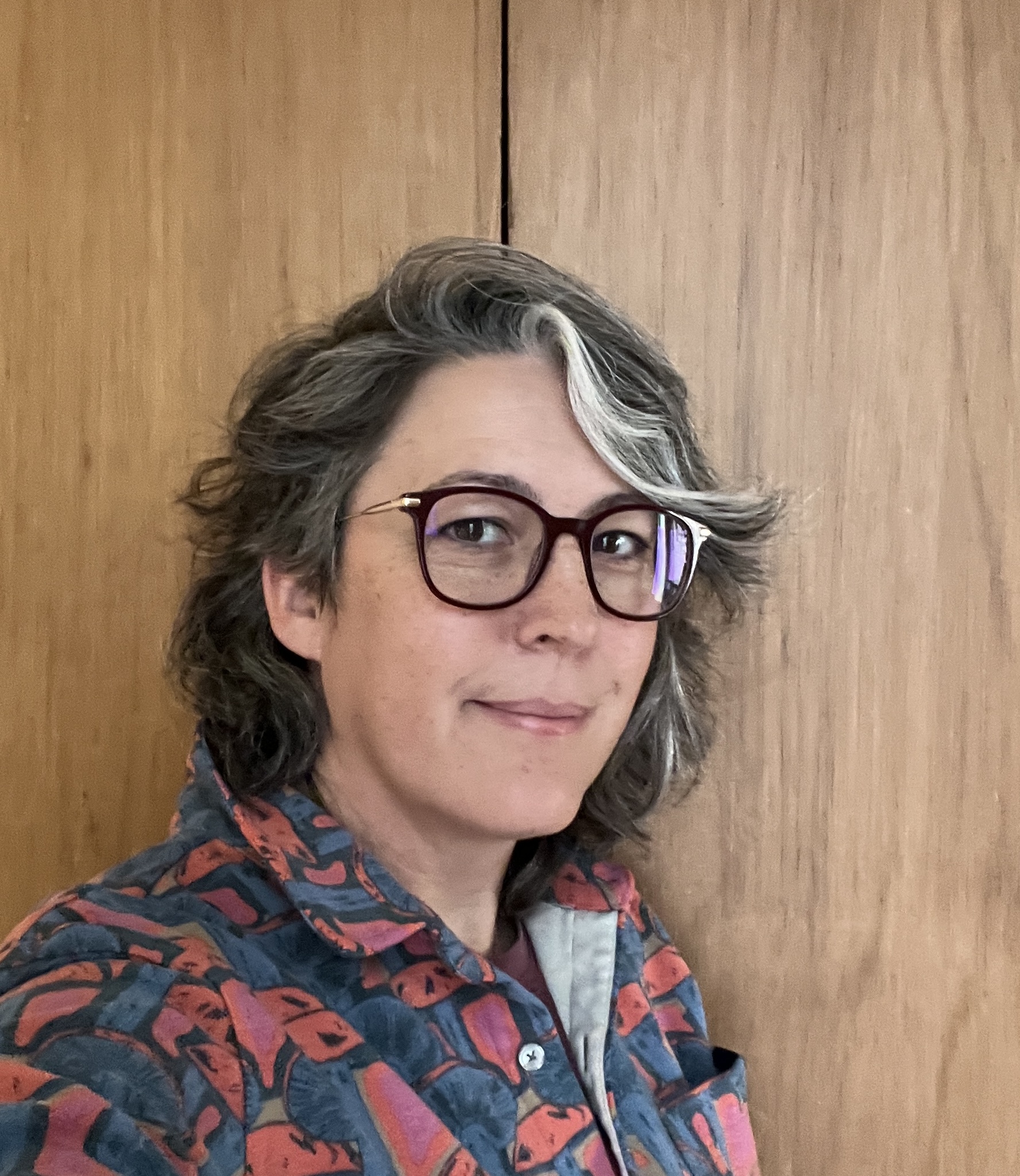
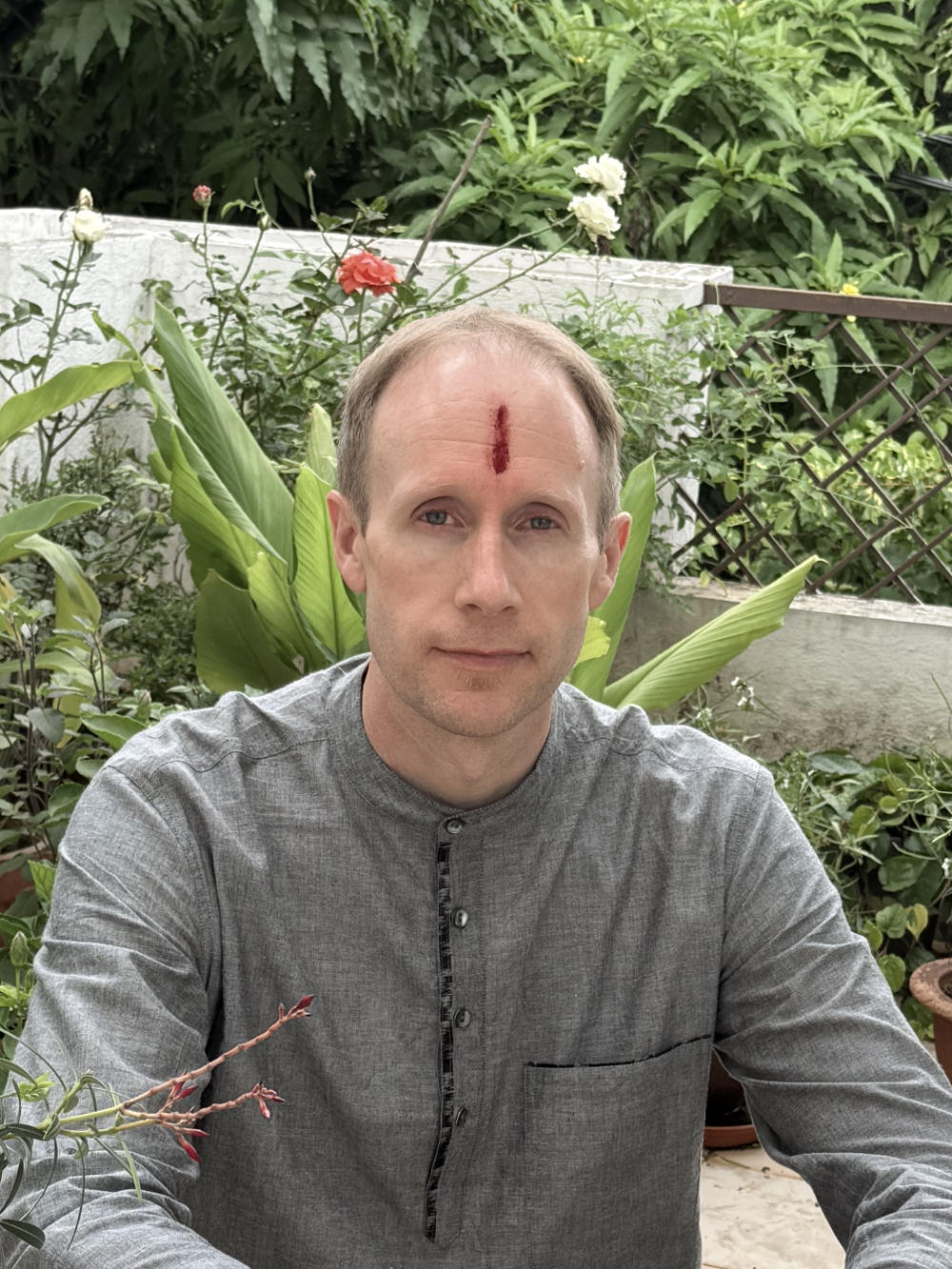
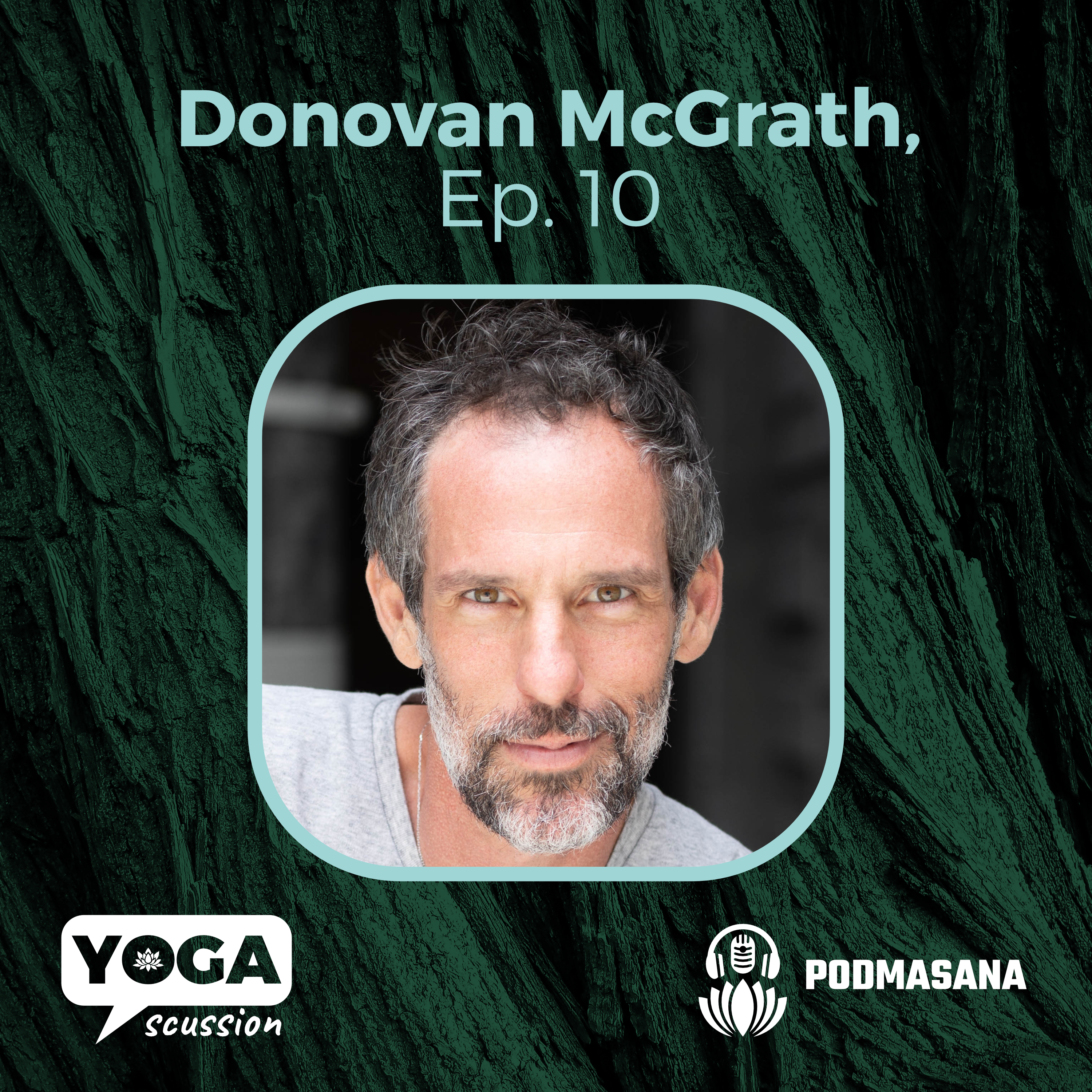
[00:00:46] Speaker B: All right, Gina. Well, we've got an interesting guest on Yoga Scution today. We've got Donovan McGrath from Amplified Yoga on the show. And I think this is going to be a very interesting discussion about yoga's evolution, but also how modern versions of yoga can still be connected to traditional roots.
[00:01:08] Speaker A: Yeah, I'm very excited to chat with Donovan today.
[00:01:11] Speaker B: Yeah. And so let's go ahead and let him on.
[00:01:12] Speaker C: Hello.
[00:01:14] Speaker B: Hello, Donovan.
[00:01:17] Speaker C: Hey. Hey. Nice to see you guys.
[00:01:20] Speaker B: Thanks for having a yoga discussion with us. We've been looking forward to this one.
[00:01:23] Speaker C: Absolutely happy to be here with you guys.
[00:01:26] Speaker B: Yeah, it's funny, we got a referral to you, Donovan, from a mutual friend of yours and mine, another lover of music. And I think that's like a, like an interesting segue, right, to like Amplified Yoga. But Gina and myself and I'm sure listeners would be really curious. You know, we've read about you, but we'd be really curious to understand your, the beginning of your yoga journey and how you actually came to Amplified Yoga, how what that process looked like. Because it seems like something that was somewhat of a calling. So could you maybe speak to that?
Sure.
[00:02:02] Speaker C: Great to be here with you guys. Thanks for having me. And I love our mutual friend Paul, who is definitely a music lover. I'm always amazed seeing him. He's at like every concert that's happening everywhere, so he's definitely a lover of it. And we've had great amplified experiences together too. So great to be with you guys. Well, yeah, my yoga journey started in New York City when I was 19 years old. I was training as an actor at the time and my acting teacher told me that I had a lot of energy and it would be really great if I could learn how to harness it and utilize it.
And somebody in my class just happened to be there right next to me when she said that. And he was like, well, I went to a Kundalini yoga class yesterday. Never heard this word in my life. And he said we were, we were chanting, we were moving, we were breathing, we were crying, we were laughing. And of course, like, I lit right up because all you want to do as a young actor is like feel and emote and, you know, have these experiences where you can just throw your guts out on the stage. And so I was like, sign me up, let's go. And I went the Next day to HB Studio in New York City and took my first Kundalini class. And it was for real. The moment that lit the passion of my fire that still burns today. It completely changed my life. I had never done anything like that, experienced anything like that. I've been in my body in that way, although I was, you know, athletic and fit, you know, but I had never just like worked with my breath and with my concentration, move my body in these particular positions. And I believe in that first day I had a minor Kundalini awakening. And I walked down onto the streets in New York City and everything around me just looked different. It looked more vibrant, more beautiful. I was more grounded on my body. I was in a state of bliss and high energy. And that's what started me on my journey. And luckily I was in a space where the yoga scene was just burgeoning in New York, you know, so Jeeva Mukti was there and, you know, so many places were just popping up and incredible teachers were coming. So I had had like, you know, a huge opportunity to, to learn. And I did. I just became obsessed with no idea that it would become the thing that I would ultimately put all of my, or most of my attention to in terms of my work at the time. It was just to increase my ability as an artist and to be in my body and just to, to react more truthfully on stage and things of that nature. But so many things about the theater and acting and empathy and energy and we're going hand in hand with the, with the yoga and the Kundalini especially.
So it wasn't long after that that I did my first yoga teacher training at Shivananda and all the rest is history.
[00:04:32] Speaker B: Well, and that's such a fascinating connection, right, because, you know, on the surface there, there might be people or listeners who look at Amplified Yoga and then maybe they'll have thoughts on like, well, this is not traditional yoga, but you started from these like traditional lineage based yoga systems, right? So like, how does one get from there to Amplified Yoga?
[00:04:54] Speaker C: Well, it was just an opportunity that came. I had no idea that this was going to come through. Amplified Yoga came many years later. This is around 2018, 2019 at Wonderlust, which, you know, Wonderlust, they created some of the biggest yoga festivals in the world that were also incorporating music and many teachers that I'm sure a lot of your listeners know went through the Wonderlust, you know, festivals and taught there, et cetera. And so I was teaching at their studio in Hollywood and somebody called me from there and said, would you like to teach a deep house yoga class?
And I said, okay, sure. A DJ brought this idea. We'll do some yoga. Let's be clear. Asana Vinyasa is what the expectation was.
Choose some house music. And so that was a Sunday at 6pm at the beautiful stage of Wanderlust. And I think I did some semblance of a sun salutation as the music was going. And something just really over opened up in me and I just started speaking. I said, get up. And had people start moving their body in different way. And I started asking them questions about their psyche, their energy, their heart, to imagine things that they wanted to create, manifestation things along these lines, you know, liberating their body from just things that are held in there. As we know, you know, the body keeps score and to. To release and liberate themselves from long held beliefs and physical restrictions in their body. And the hour and a half passed and ended and people were kind of in shock and so moved. And some people came up afterwards literally in tears because it can be a very emotional, cathartic experience. And they're like, what did we just do? What just happened? And I was like, I'm not quite sure. Come back next Sunday. Let's see where this goes.
Yeah. And you know, right after that, I just started doing it every Sunday. The classes were packed. Within a year, I was headlining all the Wanderlust festivals. I went even more deeply. I just started what I felt, receiving information about what the next steps were. It was just so organic, you know. And one of them was to go deeper in my Kundalini training. Although I had been practicing Kundalini for 25 years, at that point I just wanted to go deeper. So I went to Yoga west and I met with a man named Guru Singh, who's still an incredible teacher and somebody who really inspires me. And I just went into another teacher training for Kundalini at the same time as this was all evolving and just went very, very deep into that practice because it became clear that it was not going to be a Vinyasa yoga experience. And Kundalini really speaks to me. And then there's so much more that I bring to it other than the tradition, traditional Kundalini teachings.
Yeah, yeah, yeah.
[00:07:26] Speaker B: Thanks for that.
[00:07:27] Speaker A: Wow.
[00:07:28] Speaker C: I love that you said that. A lot of people might look at this and say this isn't traditional yoga. And I do definitely do get those comments. And as I was. Because very traditional Kundalini was taught at Wonderlust and some people were like, well, that's not yoga, that's not Kundalini. And I beg to differ. I think a lot of people actually have a big misconception about what yoga is. And they think it is the asana. They think it is the Vinyasa or the Ashtanga theories by Patabi Joyce, which was invented in the, you know, in the 19th, 20th century and you know, for, for young boys, for, for athleticism and things of that nature, you know, and that's what people think are yoga. But what we're doing in that space in Amplified definitely is using many, many aspects of the yoga practice and philosophy. So it is, it might not be what people consider traditional, but it certainly is using the yogic principles and technologies. No doubt about that.
[00:08:16] Speaker B: Yeah. Since we've gone there, right. Like anyone who's been in the yoga space, I think for a decade plus, you've probably been on both the receiving end of this issue.
Maybe you're the giving end or you've had your own thoughts about what constitutes traditional or real yoga. Right. While still, if you stay in the space, if you continue to learn, you understand that yoga itself has been evolving for a long time.
[00:08:41] Speaker C: Right.
[00:08:42] Speaker B: And so I think it's really interesting how the human propensity for tribalism maybe still manifests even within a yoga, yoga context. Right. So, yeah, that's just my immediate thought. But yeah, Gina, I'm sure you've got a question.
[00:08:57] Speaker A: Well, yeah, and I just. When you were describing, you know, being in acting classes and like doing all of this, what struck me was that like, interesting, what a, what a very Bhakti esque kind of practice already. So it's almost like, it's almost like you were already doing yoga in a certain way. Like the Bhava of yoga or the vibe of what yoga is was already like in you, in your heart, in your practice with acting and wanting to feel and be in that like very embodied state, you know, so this all, it makes perfect sense. It makes perfect sense how you got here.
[00:09:34] Speaker C: It makes perfect sense and I'm so grateful and really, like, as I have had a few years as Amplified Yoga has grown and I've traveled around the world with it. I've done this in front of an audience of 10,000 people.
I really can start to look back on my life story and just see everything aligned so perfectly to bring me to that moment where something's organically just poured out. There was no intention of, let me sit down and create a new niche in yoga and it's going to be called this, and I'm going to trademark that. It just wasn't like that. The thing happened as a result of the culmination of my life experiences in yoga, and just being a human being, that opened up that portal that allowed amplified yoga to be born. And so, yeah, it's all so, so intertwined and connected. And I just feel that I'm doing exactly what I'm supposed to be doing and the way I'm supposed to be doing it. And by the way, like, yoga, it's always evolving.
[00:10:27] Speaker A: Well, I was going to ask you, you said you do these big festivals. I was wondering, one of my questions was like, can you talk about the power of these festivals? I myself have not been to one. I've wanted to go, just haven't had the opportunity or the finances sometimes.
But I've had friends who go and they come back and they're like, dude, I got blown away. I got disintegrated and reintegrated and unintegrated and re reintegrated. And like, I know that these gatherings are like, very powerful. And like, first question is, can you talk about that a little bit? But then second question is, how do you, as a, as a being, an embodied person in the world, who's Donovan, right. How do you hold space for that many people and that much energy, right? Like, that's such big energy.
[00:11:17] Speaker C: It's tremendous energy and I'm absolutely in love with it. Luckily, I love that, that transfer of energy because it's going between me and them and them and me, and then the higher source that I believe is really channeling through. So the first thing you mentioned was just like these gatherings and music festivals, I think it brings a lot of people together that are wanting community, that want to gather in a place of happiness, joy, freedom, music connection. So there's already something that's there. You know, music brings people together and you can feel it, you know, when you see an amazing artist on stage and the rhythm is there and people are moving together and there's just like, you'll make eye contact with somebody and there's a big smile. And for the most part, I feel that's the energy that's happening there. It's just like very communal, very uplifted people. Like you said, there's a financial. You know, you have to participate financially. You have to participate with your energy, setting up and getting yourself to the space, et cetera. People really do that because they love to be there in those spaces. So there's already like a really high vibration that's happening. So some of the ways I kind of communicate when people say, what is amplified yoga? I say, well, it's music festival energy with ancient yogic technology and the fusion of that together. And when it comes together, it's very powerful because you can take all that energy that people are feeling already and direct it and make it very intentional. And that's the power. That's the power in those spaces, and people are just sort of wide open for it.
And Wanderlust was also, like, you know, at the forefront of kind of bringing wellness into those spaces. And now it's ubiquitous. Right. Like, every festival that has music generally has a yoga shala, something that they're offering. It's just luckily that kind of, you know, fusion is just growing and growing in the world, so. And handling the energy.
[00:12:58] Speaker A: Yeah, you're like a finite being, you know, like, it's amazing.
I'm imagining, like, how much can my body vibrate?
[00:13:05] Speaker C: You know, if I was betting money.
[00:13:07] Speaker B: I think Donovan's an extrovert too, maybe.
[00:13:11] Speaker C: Yes. Yes, I am. Although I just heard recently there's another term of a person that is extroverted but also needs their time to ambivert.
Yes.
[00:13:20] Speaker B: Ambro vert. Yeah. Most people I have read are ambro verts. It's a spectrum. Like, almost all sorts of things, right? Yeah.
[00:13:26] Speaker C: Yeah, I guess. I mean, I definitely, you know, I'm quiet. I met and, like, everything in my life isn't amplified. Even the amplified sessions aren't starting at 100 miles per hour from beginning to end. There's a journey, there's quiet, there's introspection, there's meditation. I teach meditation without music.
So I like my quiet time, too. But I definitely love the energy of a crowd, especially when it's coming together in such a powerful way. And luckily, I've been granted a gift that people trust me and people go on this journey, you know?
[00:14:00] Speaker B: Yeah. It's powerfully human. Right. Like, it's. I. I'm thinking about, you know, very ancient collections of people dancing around a fire to drums. Right.
[00:14:11] Speaker C: Just the.
[00:14:12] Speaker B: The drumbeat of the universal consciousness. Like, this seems like a modern manifestation of that. Right. Like. And so could you maybe speak a little bit to. What is it about the combination of electronic music, perhaps, and also the time that we are in now in terms of. And place we're in now, where amplified yoga tends to be. Although you've gone around the world, like, what is it about in the west in this time that is like the perfect storm, if you will, for this Kind of yoga.
[00:14:46] Speaker C: Well, I think people just want something that's very engaging. Music creates a reaction in the body right away. It just immediately hits you. You hear a tone, you hear a sound. And usually the electron music that my DJs are playing or I'm using, it just hits you in a way that's automatically uplifting, so you're engaged. And the rhythm and the energy, I mean, this is all being backed scientifically now, what music does. I mean, there's studies that are coming out now that say listening to music at bpms of 125 to 130reduces or expands your life by 6 years and that it has very many beneficial effects on your psychology, on the physiology.
And then, you know, to make it intentional, like to really take all that energy and put it into something that people, people want and need and desire. They may not even know. I've had people show up to my classes at Burning man or at festivals. They didn't even know they had to be there. They don't know anything about yoga, but they have a deep yogic experience, you know, And I just think people are open to something that's a little more upbeat, that seems fun. I think fun is a great element of it. It looks very celebratory and it can be just really fun. I like to tap in a natural ecstasy. It doesn't mean that it's not deep and therapeutic as well, but I think if you got to hook people in with a good time, it's helpful. People just want to go, they're in these spaces, they want to dance, they want to hear music and then to do something that is actually taking it, amplifying what's already happening, making it more powerful and potent through technology, through where we're putting our attention, how we're moving our body. It's just something that I feel people can just really relate to, tap into. Right know.
Yeah. So I guess it was a moment in time that people did desire this kind of thing because it took off so fast and even since 2018.
[00:16:30] Speaker A: So yeah. Oh, sorry. Sorry.
[00:16:32] Speaker C: No, please.
[00:16:33] Speaker A: Yeah. We just need joy in our lives, you know, I mean like we're constantly dominated by these 24 hour news cycles and all of this horrible stuff. And I'm not saying that we should look away from the terrible things that are happening and not be present, but like, like it's so sometimes it's really hard to like wake up and be like, where is my joy coming from today? You know, like, how am I accessing human joy? Because I'm not just a machine that can be aware of all of these things. Like, I have to live in this interface of, like, emotions and physical body. And I love that you're just like, it's fun, you know. And also there's this thing comes up for me because I love Kundalini Yoga as well.
[00:17:15] Speaker C: Beautiful.
[00:17:16] Speaker A: And when you bring someone to a Kundalini class who's never been there before, I think you get one of two reactions. It's like, I freaking love this. Or it's like, why are we flopping like a fish on the floor with our, you know, like, why are we doing these weird things?
And they either get super freaked out by it. And I think if you give Kundalini Yoga a chance, you know, like, sometimes people's first reaction is like, I don't like this. It's really weird. But I have found some of the most intense, energetic sensations in my body through Kundalini. Like, it's so powerful. And you're like, you are making it more accessible to folks. And they don't necessarily have to understand what that means intellectually. Lineage li like any of those lees. Right. They can just come and benefit.
[00:18:03] Speaker C: Beautiful. I couldn't agree more. That's actually something I say in my sessions all the time. I do them virtually and in person and say, you don't have to understand what's happening intellectually. And a lot of people want to. They want to understand what's happening, why exactly we're doing it. What a sound they might make moving the body somatically. That lets out energy that is a discharge of energy that might be something that's been deeply held. A screen, you know what I mean? Of just like trying to keep your shit together. And then, you know, for a moment you can just let yourself go and scream it out. They don't even understand. They don't have to understand and put words to, like, what that is that they just let go of. Exactly. You know. No, it's just an energetic discharge and it has profound effects on the body, you know. And so. And to say. To speak to what you said about Kundalini. I know a lot of people just look at it and they're like, that's a cult. You know what I mean? And it's misguided or maybe, maybe in some ways it has been with certain people in certain positions of power. Who knows? But, you know, that's to be debated and not somewhere I necessarily want to go. But you know, that people look at it, or just yoga in general. I mean, how many times have you heard, well, I'm not flexible or I'm boring or, you know, things along that line. And so they're completely closed off.
Yeah, I can't sit still. I can't stop my mind. You know, we've heard it a million times, right? And so somebody might look at Kundalini and just be like, oh, hell no. There's just no way I'm going to go into that space.
So creating a space where I'm using that technology but doing it away, I always say it's a little. Not sneaky in a bad way, but stealth. It's like people just kind of come in and they're like, oh, we start music and the music's going. This feels good. I get him to connect with people around them. Oh, you're connected to other human beings just like you, you know, and it just starts to be fun. Then it's like, let's get in there. Let's get into your heart. Let's get into, like, what you really are, that you're a creator. Like, really to realize that, you know, and to really embody that and feel that some people have forgotten, some people have never even been liberated in their body.
It hits people differently how they need to be touched. But, like, some people literally have never been out of their head and they're able to let their body just be free in movement. Which I think was actually my first yogic experience before I went to my first yoga class at a teen dance club in Dallas, Texas. On the dance floor, just a moment of bliss and light and freedom, you know?
[00:20:06] Speaker A: Yeah, music has that power.
I was going through your website and I went to the page where it shows the DJs that you work with and the music creators. Oh, my gosh, I was blown away. I was like, Spotify, follow, follow, follow. The music was great. I was just like, I could I get this.
[00:20:23] Speaker C: I can't wait to have you. I can't wait to have you guys in the space.
[00:20:27] Speaker B: Oh, yeah, we'll try to make it happen at some point in time.
So, like, I've been thinking, you know, in this discussion, you know, I mean, whether it's the Kundalini seeming a little cult like, and also acknowledging that we're in the West. Right. So, you know, in traditional frameworks, Kundalini is kind of referred to as the rise of the serpent's energy. Right. And in the west, that the Abrahamic faiths have a hold, especially Christianity. So the concept of serpent comes with baggage or can come with baggage. Right. So when we're thinking about approaching a Western audience, if we were essentially saying, okay, we're going to raise our serpent energy, even that there may make people a little, like, uncomfortable. Right. So do either of you have, like, some thoughts along these lines?
[00:21:21] Speaker C: Gina, do you want to go? Or.
[00:21:22] Speaker A: I mean, boy, I could rip on this. I mean, I have a couple of thoughts which, you know, yoga always gets misconstrued as being, or maybe construed as being a religion. I mean, it does come from a cultural tradition that is also a religion. And so I think a lot of people, I mean, I remember in my teacher training, there were folks in there who like, had to tell us they were Christians and that this was their defining belief system and that yoga was, to them not religious. And it's like, I, I think yoga can be whatever you want it to be, personally.
But also I was thinking too, when we were talking about people finding these spaces and coming together and sort of tribalism, I was thinking also, like, oh, we, we've been disconnected from our natal cultures through colonialism and through religiosity and like this kind of these ideas of, you know, like, we've gone into these faith traditions. And I'm talking about, like, people who are coming from Europe, right? Like white people who are coming from Europe. Like, we're disconnected from our, from our cultural traditions. Pre Roman, right? Like Celts, Picts, Anglo Saxons, Norwegian folks who were Scandinavian in nature, you know, Finnish, you know, Serbo Slavic, whatever. Like, all of these different. So we're disconnected. I'm an archeologist in my other life.
[00:22:47] Speaker C: Amazing.
[00:22:47] Speaker A: And so I read all of these things. Like, I just read. I want to grab. I'm like, I want to grab this book. I just read this book called Proto, and it's about the, the evolution of Indo European, which is the root language of a large percentage. Percentage of modern languages where they were talking about the religious traditions. And also Sanskrit is part of the. That language tradition. Like, if you go back for far enough in time, Proto Indo European is the mother language of Sanskrit, English, Germanic, Icelandic. It's really interesting. And so when you were talking about finding your space, finding your place in these spaces that feel sort of tribal and collective, I was thinking, oh, yeah, because we've been divorced from our deep roots, you know, And I think that's why yoga resonates with so many people so deeply and so, like, in such a, like, spirit ways, because it makes it, like, gives us access to a spirituality that isn't based in that maybe for the Western. I don't know about in the East. I can't speak for people who are practicing yoga in the east because I think that is very much intertwined with Hinduism and other religions like Buddhism. But I think for people in the west, where yoga's been kind of changed is that it gives us an accepting place or space to enter into a relationship with our own spirit.
I hope that's not being too woo woo, but I do.
[00:24:13] Speaker C: I don't think so at all.
Yeah, no, it's not woo woo. And it's actually, you have a lot of knowledge about history and language and where these things came from and old rituals and things like that and your archeology. I find that so fascinating. I think that's one of the reasons I got into yoga. I remember asking my mom, like, you know about God and about heaven and like, how do I go to heaven? And I get the best advice, which is like, just be a good boy, be a good person. You're gonna go to heaven.
Which left a lot of room for me to discover things. Right? And that's kind of my religious upbringing. And I also. And then I was living in Texas. At one point in my life, I was a military kid and moved around. And of course, a lot of people were in church and they were Baptists, they were Nazarenes, they were. I'm supposedly Episcopalian, that's what my dad is, and things of that nature. And so. And I was curious. I think I was actually longing, like as a young man, as a young, young teenager. I was like, what is this? I wanted a relationship with something bigger. I felt something. And I remember hearing like, well, what is God? Where is God? Well, God's all around you. God's in everything. I just remember hearing these types of things as a kid. And then when I went to explore different, you know, churches and stuff, the things I was hearing was not aligning with me. I found it very controlling. I found it, you know, homophobic.
You know, there's a lot of that that I was hearing and like, that. I just never believed that there was some God that was judging and that I had to like, you know, I was born in sin and I was this terrible person and I had to be fearful of this God and things of that N. You know, it just never resonated with me. But I wanted something, I think, that connected me with spirit, the source, with like, something bigger than myself. And that's something, you know, we said earlier. You don't have to understand it intellectually, but I believe that day in my kundalini my first Kundalini experience that happened, and I felt like a deep spiritual experience, you know. And so I think that yoga, and I don't shy away from that in my spaces. I invite people to have the experience that they're ready for. I'm not pushing anything. Everything is a suggestion that they can connect to the higher power. They can call it the universe, the source. In the Kundalini tradition, God just means generator, organizer, destroyer. So I will say that to some people sometimes. So if in a kriya, the word God is used, it can just be sort of formulated that way. That's more digestible for people.
Also, I had, you know, in terms of people saying, oh, I'm Christian, you know, I can't. This is my. My. My religion. This, you know. And so practicing yoga is not in alignment with that, you know, and I respect that. Like, I'm not pushing anything on anyone. I was just down in Tulum teaching, and I ran into a guy, like, on a, you know, transportation thing, getting. Getting me to where I was going to teach yoga. We started talking. I was like, yeah, I'm about to teach. He's like, oh, well, I'm a Christian. I can't do that. I was like, okay, that's cool. You know, that's great, because I invited him. But then he started talking about what he does in Christianity, which was prayer and connection to God, his God.
And then God will just tell him what's next, do this, do that. He was supposed to be in Tulum to meet some, and so he believed that he's having this conversation with what he calls his God through a Christian lens. And I was like, well, I do the same thing.
I just don't necessarily consider myself a Christian. But I said in meditation and yoga, I was like, I'm listening. There's something bigger.
I might look at it in a different way, but I think we're looking and hearing from the same thing, you know, and he was really on board with that and just thought that was super cool. And so, you know, I. I don't push it on anybody. People can. I really respect people's beliefs and what they. Where they are and meet people where they're at. But I do believe it's a deep opportunity to have a spiritual connection. If somebody's not in a formal religion, that feels meaningful.
[00:27:48] Speaker B: Yeah, yeah.
[00:27:49] Speaker C: And helpful. I love this.
[00:27:50] Speaker B: Yeah, I love this. And I hope that there's more of these conversations, you know, happening if people can be open to them, because I do think that a lot of People would find a lot of commonality and kindredship, you know, if they were willing to open themselves to these conversations. But, you know, I've. There's been kind of like this Kundalini thread with you, Donovan, going back to your early, like, yoga experiences. And I just want to pull on that thread a little bit.
[00:28:15] Speaker C: Sure.
[00:28:16] Speaker B: What do you think it is about, like, conscious work with Kundalini energy that could really help someone in these times who's maybe feeling overwhelmed by events of 2025 and 2026?
[00:28:31] Speaker C: I believe that when you tap into this energy, which we all have, it's believed that it's latent in most people, but it's there and available. And that's what Kundalini Yoga is, is working through different Kriyas to sort of tap into this energy, move it through the chak, the sushmana, and to connect with the infinite. Let's remember what yoga is. It's connecting the finite, this body, this identity with the infinite. People might call that God. They might call it Source. And I believe you can have an experience of that.
And I think when you do, it just changes your perspective entirely. It's like there's a lot of things going on in this world. There's so much we can barely register it or handle it, which I think is happening. And that's a little bit of a diversion of the conversation. People need tools, I think, in this time to just keep themselves healthy. Sound and body, mind and spirit, which is what health is, you know, because we're being inundated with so much information, our nervous systems aren't accustomed to carrying us around and looking like this and having it beaming at us and telling us all sorts of terrible things and wonderful things, depending where you want to go. But I think there are a lot of forces at work through this to really distract you, to diminish your energy, to numb you down, to check you out. And, you know, I think in Kundalini Yoga, you start to have an experience of this connection, and it just changes your perspective and it makes you a little less stressed out. You believe that there. And, you know, there are other systems that work. There are. There's a bigger picture at play. And, you know, you can really tap into. Through the power of Kundalini, where you're putting your attention. I always say, you know, with people in my practice, we're very verbal, we use our voices, I say things, you know, the. The mantras in Gurmukhi and Sanskrit and also in English.
And just what we're choosing to See beauty around us, there's beauty around us, there's always beauty around us. There's terrible things and horrible things happening simultaneously. But where are we putting our attention?
And so just to remind people that they are masterful and what they're allowing into their system and how they're choosing to react to it. And so I think these things become amplified when you start practicing Kundalini Yoga and it comes through you. So as an example, I mean, it's believed as it starts to penetrate through the chakra system and reaches the heart, penetrates through the bottom of the fourth chakra, there's a feeling of expansiveness, love, harmony and unity.
So if you're in that energy and vibration, like you're perceiving the world differently, right? You're emanating something differently, you're perceiving the world differently because that is available to us all the time. There's always love, there's always kindness, there's always compassion.
And so, but you feel it. It's not just a thought. It's not something that's intellectualized. It's an experience. And so you're walking around with a greater sense of connection to the bigger picture, to source. You see beauty, that you're divine just by feeling, like the magnificence of your body and the pulse within you.
And you just start to live in a space that's more in love, in love with life, in love with people, in love with your own creativity, with art and all of these things. So we need that right now because a lot of people are crumbling under the pressures of these times.
It gives you the capacity to endure the pressures of these times. And it's essential.
[00:31:43] Speaker A: It's.
[00:31:44] Speaker C: Oh, boy.
[00:31:44] Speaker B: I really appreciate that.
[00:31:45] Speaker C: Yeah.
[00:31:46] Speaker B: If I could a hundred percent your face right now, I would.
[00:31:50] Speaker A: Yeah, yeah.
I just think that just so powerful what you said. And I, as you were saying all of this, I was thinking like some of. Some of Western culture, a lot of Western culture honestly tries to keep us from feeling.
And I think that's what all this, like social media and all of this stuff, like, it keeps us in these anxiety feelings and lessen the feeling of unity that we can be as humans, right? As humans of any, any race, any gender, any culture, like we are humans together. And I think one thing I love so much. Sorry, I have a lot of thoughts in my head, but one thing I love so much about Kundalini is that it's rooted in this really rich, the really rich tradition of tantra, right? And like, so there's Like, a couple of ways that yoga goes, where one of the ways is, like, liberation from the body through purification and through this kind of dharma or karmic system where it's like, you know, we continually reincarnate and kind of purify the system so we can get out of the system. And then tantra, which I feel like is so rich, is like, get in the system. Tantra's like, get in the body. Feel the feelings, like, be overwhelmed by grief and joy and ecstasy and anger and all of the things. Like, this is the experience of yoga, is having a body. And, I mean, I'm a Western person. I grew up in a Western context. I grew up in a fundamental Christian ideology that I don't identify with as myself, but I grew up in that framework. And so, like, I think the kind of message we often get from our Western societies and Western world religions is that the body is a problem. Like, there's this problem to be solved in the body. And what I love about Kundalini and Tantra is it's like, no, the body is the gift. The body is the glove, right? Like, the body is the mechanism for interaction with divinity. Because you can't. If you're disembodied, you're just divinity floating. But if you're embodied, you're feeling divinity, you're coming up against divinity. You're meeting divinity in the people that you're.
That you're connecting with. You're meeting divinity in the animals, in the plants, in the soil, in the rocks. Like, divinity is a lived experience.
[00:34:10] Speaker C: Yes.
[00:34:11] Speaker A: Sorry, that's a lot. But I'm loving this conversation.
[00:34:14] Speaker C: You're not only meeting it. You are it. You are divine.
[00:34:16] Speaker A: You are it.
[00:34:17] Speaker C: Yeah.
[00:34:17] Speaker A: You're transmitting it.
[00:34:19] Speaker C: I always use the body as just a reference, you know, to, like, really try to get people to get very sensitive to what's happening there, you know, and how miraculous it is. As an example, you know, one thing I do, sometimes it comes up. There's a rhythm going. I'm just having people, like, tap their femur bones to the beat, you know, and reminding them that they're in a state of creation and that every time they're tapping their thighs to the rhythm, 2 million new red blood cells are forming. I mean, to me, that's, like, miraculous and so fascinating. Most people aren't even thinking about this, but there is a force that still, we don't know. We don't know what it is. We don't know where consciousness comes from. We don't know where life comes from, we don't know what's beating our heart. We have so much knowledge in science and there's so much we don't know. So something is at work. You know, I have people just recognize, okay, that's forming. Your kidneys just filtered a liter of blood. You're not thinking about it. You're, you know, you're not working at it. It's just happening. There's something, there's a divine intelligence right here that if you just contemplate it for a second and drop into your body and just feel it, it's like, whoa, I am divine.
[00:35:17] Speaker A: Yeah. So on Radiolab they had this episode about, they were interviewing the scientist who was like trying to figure out how do cells do what they do?
And she was able to see that it's through light transmission.
We are literally creating and destroying ourselves with light. Like she was able to see that like cells, mitochondria are emitting light, they're emitting light frequencies. And so, and there's, and you know, like there are these guys, these scientists, men and women who are studying consciousness. And one of the papers that came out that I read, I read this book called Consciousness. I can't remember who wrote it, but it was so good. They, they referenced this. I know, right?
I think it's called Conscious, actually. It's called Conscious. They reference this scientific study that's happening on consciousness where physicists are actually thinking now that like, consciousness is happening on a cellular level.
Which blows my mind, because if you think about yourself on a cellular level, not only do you contain your own self, but you contain the cells of like microbiota inside your body.
You contain the cells of viruses, you contain the cells of other weird things in your body that are not necessarily you, that have their own, that can be separate from you. You know, like bacteria, parasites, like you name it. This stuff is in our body. We're not impermeable. So consciousness is actually co creation.
[00:36:45] Speaker C: Yes, I love that.
[00:36:46] Speaker A: It's insane, but it's also, it's mind blowing.
[00:36:49] Speaker C: It's mind blowing and heart opening. It's awe inspiring. It's awe inspiring, which is a state I love to be in and love to help people come into. And you don't need to be standing at the edge of the Grand Canyon, which is beautiful, or like a gorgeous sunset or whatever, you know, and all of that's available and take it in and love it and feel and like, look at the glory, the divinity around us. But yeah, it's like also right here, like if you just Start to contemplate the things you're saying. And these scientists that are like, oh, where is this coming from? And what we're being able to see and what we're learning. I mean, it's just in the past couple decades that we became aware of the microbiome and that it's actually like we're sort of like that's actually moving us and that's speaking to our brain and all of these things are happening. Like people just weren't even aware. It's a new thing that has just come into our reality, right? Like the importance of the microbiome and all the chemical conversations that are happening from that. It's just for me, like, it's awe inspiring, you know, and it's like then just through your physical body and just touching it and realizing it, like for me, it takes me to a moment of like realization. Like I am divine and it is yoga. It's union. There's no separation. And this is, you know, and I love. There's so many great things we're talking about. I lean more towards the tantric, you know, I don't want to be a renunciate. I don't want to go live in a cave, you know, I don't want to like shut myself off. I like times of that for a different perspective. But like, I love sensual things. I love taste, I like sex, I like food, you know, like all of these things that are just like, I love the warmth of the air on my skin. I like, I like relationships with people and music and things that take me on a journey. And so I'm definitely like on that path of like, no, if we have this body, it's like, how wonderful would a gift to be able to touch, feel, love, taste, you know, and do all these things. So. And even in that, like, and a bite of just delicious food that's been prepared with love, there's so much goodness in that.
There's so much divinity in that, you know.
[00:38:35] Speaker B: Well, and I've noticed like in this conversation, you know, we're making references to divine energy, light and love. And when you dive into theology, you know, and the various religions, you know, you really, really start to see that these concepts, these words are really being used as synonyms, right? Like even in the, in the translations, like these were the words, you know, that existed as it was translated through times. In my mind, when people talk about God or they talk about divine or light or love, you know, for me, it's all, it's all just the same thing. Right. And just yoga, whether it's an amplified yoga session or meditating in the Hamayas or on a cushion, you know, in your apartment in New York City. Like, all of those are opportunities to connect to your preferred synonym, right?
[00:39:28] Speaker C: Yes, absolutely.
Yeah, yeah, yeah, yeah.
[00:39:32] Speaker A: I. I have these discussions with a very good friend of mine, and she's Christian. And sometimes I feel like she's trying to get me to see things from her perspective, which I lived in that perspective for a long time as a child. I was. I had to. I was forced to. And I always tell her, I'm like, they all lead to the same place.
And what I think world religions, all of them, is, there's. There's a seeking, there's a yearning, there's a drive, but it's more of a yearning. I think it's like a deep longing to return to divinity, to return to a sense that. That we are long lived, that. That we're eternal.
[00:40:18] Speaker C: Yes.
[00:40:19] Speaker A: And that we can engage with something that feels massively larger than ourselves. Like such an interesting concept for a mind to create, the idea of a God.
But I also think that in the natural world, when we.
When, as our ancestors were integrating, we were embedded in the natural world in ways that we are not today, that we recognize that big infinite. We didn't have words for it. We had to make up these words. Right. And I think there's still that longing in humans, like, we long for this connection to divinity, however that manifests itself. Right. And it's going to manifest differently. If you're born in a certain country, you will just have these types of religions to be, you know. And so I think it's a universal experience, Right. This longing for divinity. And it can take shape in so many different ways, but it's like all the paths get there, you know?
[00:41:15] Speaker C: Yeah, there are many different paths. And, you know.
Yeah. And they're valuable for certain people. And some people, like you said, don't have a choice. You said that you used the word forced. You were sort of forced into this way of belief, and this was embedded into you, and this is what you were told was happening. And I don't know exactly what it was, but I do know friends that were like, this is heaven, this is hell. If you do this, you're going to go to hell, and this is going to happen. Or if you have not accepted Jesus into your life, then you're going to go to hell. I mean, it never made sense to me. I remember being like 13 and being like y. But what about all the people in the world that just never had exposure to Jesus, all of a sudden, they're going to hell. They came on this planet and, you know, they didn't have that exposure.
So they're just, you know, I just never believed in a God that wasn't benevolent and loving, you know, and.
Yeah, but, yeah, the longing is clearly there. I mean, it's all philosophy, right? Like, people are just, why, why do we exist? Why are we here? What's our purpose and what. What's going on? What happens when we die? You know?
[00:42:10] Speaker B: Right.
[00:42:11] Speaker C: I tend to believe, and I don't say anything with a surety, you know what I mean? Because I always leave space open. I'm never going to come and say this is the way it is and this is what happens when you die. And if you do this and you're going to go to this next karmic level or there is reincarnation, it's all open.
I'm open to all possibilities. I tend to believe that when you die, you have the experience that we were just speaking of, and you're just reminded, like, we wake up, like, this is a dream almost, and we wake up when we leave this body. And then we were reminded of what we could potentially experience through the practice of yoga here in the human form, you know. But then we were reminded, like, oh, we are just. There's no separation there. We are all source. We are all part of this one thing. And then we take on little sort of identities and these in these human forms. But you wake up in the dream and remember what you're in and what you really are. And it's not just this flesh and this body or this name, Donovan, or, you know, the number that is my Social Security and all that kind of stuff, you know. But you're more than that. And we realize that we have that experience when we die. That's my personal belief, but tonight. But I believe we can also. I mean, that's one of the things that happens when you. Through the yoga practice, through the Kleshas, through the. The things that are believed to not be true, which is fear of death, that we are infinite, that we don't really die. You know, the fear of death is removed in a yogi, ultimately. Right. I mean, that's a big thing, you know, that's. Yeah, it's a.
[00:43:29] Speaker B: It's a huge thing. And like, I think it's tied to this idea we've touched on a little bit, like this idea of returning to source. Right. And like how when once you've returned. You've connected to it. That also maybe tempers that fear of death. Right. Because you start to see even the concepts of birth and death as just that concept. Right. And just your life, this gift of this life in this body is essentially within, like, a tapestry of, like, energy transfer. Right. And so, you know, I'm curious, Donovan, right. There's the allure of music. There's the allure of the drumbeat, the bass of electronic music that has this powerful pull. But if you'll maybe talk to Gene and I, you've alluded to these quiet moments, even in an amplified yoga session. Right. And so could you maybe talk to us a little bit about where those have happened or even, like, the power of those quiet moments, even during an amplified yoga session?
[00:44:30] Speaker C: Sure. There are many. But oftentimes, towards the end, we've gone through a long journey. People have released tension, pressure and stress from their body. They've been reminded of who they are, how powerful they are, how masterful they can be, that they're creators and that we are vibration and energy. And there are things that we can tap into. And so oftentimes, the heart's wide open. I mean, there are kriyas that we can do in Kundalini that really specifically work for the heart. All of these things are being measured scientifically now that it's magnetic energy and we can open it. People have been in love before. When the heart chakra is wide open, you're in love. It's like, let's go. Things are great.
Somebody breaks your heart and you can barely get out of bed. This is the fluctuation of the energy of the heart. And so sometimes we'll go to a peak and then it gets a little bit quiet. And I'll just have people think of somebody and tell them that they don't have to be on this earth, they don't have to be in their body, but somebody that they want to connect to with this energy of an open heart and love. Love.
And right away, I mean, you could see it. People, they come to those people and then they have an impression on you. If they've made an impression, they live with you. They are part of you. And I have people really sense that. And I have them see their eyes, see their face, and then I just have them say the words, I love you and see their reaction. This is a time where people get very emotional because they feel very connected to that person, even though they may have left their body.
And then they feel that it's given and taken, that's something I help people to do is can you really give and receive love? People can give love, but if you give love to them, they can barely take it. Sometimes some people just take and don't give. But they feel this connection to this person, to this energy of just pure love, and it brings up incredible emotions. So usually we've had all this noise, we've had all this movement in the music, and then it's silent and then.
Or something. Or something that's instrumental still. It could be even a tone that's really beautiful that just gets you right into the heart space.
So things of that nature, just having them connect. Also, I just sometimes have people, if they believe it, and I always say that this is something you can believe or not believe. But let's imagine if there's a council, if there are energies, if there are entities, let's call them in. The ones that support you, love you, and want the absolute best for you.
Some people believe in these types of things. They believe they can tap into their ancestors. They believe that they have angels. I mean, angels might exist, they might not. I can't say that for sure. You know what I mean? I know that I've had experiences that made me believe that there was something protecting me.
Some people believe that maybe in Christianity, like, oh, there are angels. There's no doubt about that. But believe it or not, people can tap into the energy that supports them and loves them, you know, their. Their ancestors, their grandparents, somebody who's passed away already. And they feel it. And then I have them, like, put their arms up and just feel light and lifted, like the wind's behind their sails. And just remember that they can tap into that like, that they can remember. And that's a very powerful tool, you know, because the world can get a little lonely and it can get. Get a little frightening and. And, you know, and people live in anxiety because they don't. Their future is uncertain. All of ours is. Some people feel they get more of a grasp on it. They. So they got their finances worked out, and then something, you know, comes.
But, you know, so when life gets like that, I think you can tap into, like there is. There's an energy and there's a support team around you, and that can be very powerful and very. Just, like, comforting, you know, so there's a. There's moments like that. I also have people connect with each other sometimes. So maybe after, you know, we connect with each other.
One thing I have people do is, you know, rub their hands together and say the words, healing Hands, healing hands. Do you believe you have them? Most people be like, yeah, I have them. Okay, amplify your healing hands. You have the energy first. We give love to ourselves during the practice. And I really believe this is important.
Just to start with yourself from love, kindness and compassion to hold yourself. I literally will have people hold themselves and say, I love myself. And I know that that could really come across as cringe and kind of cheesy, but actually it's one of the most powerful things that people do, like when it's done sincerely. And I teach, I'm connected and I'm teaching from the heart. And so that's why people trust me and they will actually do that. That. And I've had grown men fall to their knees bawling because they've never actually even conceived of holding themselves with such tenderness, love and care.
And so then I'll have people face each other maybe at the end of the class and, you know, look and look at to each other's eyes, which can be very uncomfortable for people, which is super interesting. Why is that so uncomfortable? To connect with another person, you know, and then take their healing hands and one will have their hands down and just receive.
And somebody else is giving the healing energy. And just to watch that happen between two people, people first of all ignite that they have that within them, which I believe all people do. Some people are more connected to that. There are healers, obviously, that can wave their hands. There's something called Kundalini activation process. Maybe you've seen it, somebody just over them like this, and the bodies are convulsing, they're moving energy. And so I have people do that with each other. And it's really, really powerful just for some people to just relax and receive. And for some people to tap into their power. It's a quiet moment.
One of the mantras I use in the practice is health in my body, love in my heart, peace in my mind. I am divine.
And then I'll have the person that's doing the healing energy say that to that other person. Health in your body, love in your heart, peace in your mind. You are divine. It's powerful.
And so there are moments like that, just like silent, powerful, potent moments where people just really feel deeply their emotions, their heart open a connection and yeah, so those are some of the silent moments.
[00:49:58] Speaker A: Wow.
[00:49:59] Speaker B: Love it.
[00:49:59] Speaker A: I'm like about to cry listening to this. It's so beautiful and vulnerable. Like you're creating some really wonderful space for people to enter into their vulnerability in a way that like, that asks them to step into love instead of seeing vulnerability as a weakness, but rather seeing it as, like, you deserve.
Right? You deserve to receive.
Yeah.
[00:50:23] Speaker C: You deserve to receive.
[00:50:24] Speaker A: I am tearing up. I am tearing up.
[00:50:26] Speaker C: Yeah.
Well, that. That's beautiful. Thank you for. For allowing yourself to share your heart and your emotion. And that's. That's something I want to encourage people to do, and that's what really happens in these spaces. I told you at the beginning, like, people came up crying after the first session that came out of me. You know, we are. I want to embrace that we are feeling emotional, vulnerable, complicated, beautiful human beings.
And you mentioned that earlier in this conversation, embracing all of those aspects of ourselves. Everybody out there is scared at one point. Everybody out there is going to lose somebody that they love. Everybody is going to have to look at their body aging, getting old, and knowing that they're going to leave it at one point.
There are global insecurities. Especially right now at this time, people are very fearful, and that's okay. Like, you know, we need to express that and feel all of that in groups where we can feel supported and loved and seen.
And that's really what I. What I try to create.
[00:51:26] Speaker A: This is taking me into a place where I. The thoughts. I've been thinking a lot about community and, like, how do we build and maintain communities that are supportive, that support vulnerability, that, like, receive and give? Right. Like, I'm really good at giving. I am not so good at receiving.
[00:51:46] Speaker C: Yeah.
[00:51:46] Speaker A: And so I'm always trying to, like, well, not always. Just recently. I'm like, wow, how do I. How do I receive from my community? How do I let myself be vulnerable when I'm usually the giver and think that what you're doing is a perfect place for that. Right. Because it's like, we can show up. I don't have to show up as Gina with all my baggage to meet a community.
I can just show up as Gina. And I might be feeling some of my baggage shifting as we're doing these practices, but ultimately, it's like we've entered into, or participants have entered into this idea of vulnerability together, and that we don't necessarily have to unpack all of that baggage and look at every piece of it. But I can see that you're human. You can see that I'm human, and we can create that connection together that ultimately brings us into, like, a unity, you know, like. And divinity.
[00:52:41] Speaker C: Yes.
Couldn't agree more. I mean, everybody's got something.
Everybody's got something they're carrying Everybody's coming in. If we can just sort of like another thing I have people say, you know, to each other, which is very powerful. And, you know, I think if we just operated in the world, like, what if we just took one practice out of this? And you're looking at each other. So I'm looking at you two right now. And we'll have them repeat after me, you know, the words, I am you, you are me, me and you are one.
And they're looking at each other. We've had this whole experience. I mean, that's a very powerful thing. Like, you treat others the way you want to be treated. Like there is really. We all sort of want to. The golden rule. Yeah. And we all have different, like, you know, our own patterns and our own gifts. And we are different to some degree, of course. I mean, we're individual, but at the source, we all really want the same thing.
We all want safety, that our family to be protected, loved, you know, to feel fulfilled, to feel connected. And so just like, if you treat the person in front of you, whoever that may be, I am you, you are me, me and you are one.
It's just a very powerful space to operate from, you know, And I think it brings. I mean, the big thing I want to bring into the world is love, kindness, compassion, you know, authenticity, creativity, and things of that nature for people to just, like, live fulfilled and unblock themselves from their limitations that have just been impressed upon them, you know, and just to feel that they can be in a space and there is beauty and vulnerability. You know, it's like that. That underneath, it's amazing what can come off that's just right under the surface. And that happens in amplified yoga very fast.
The emotions come right up, you know, and it's a beautiful thing. And so I really want to embrace that totality of who we are as human beings.
[00:54:23] Speaker B: Yeah. And love is the ultimate state of vulnerability. Right. It's been said. And I think, you know, I think my personal hope is whether people are practicing yoga in a studio at home or an amplified yoga session, we're learning. And I do think this is part of the human species. Evolution is learning to take these profound experiences, these profound connecting moments away from these experiences, into the mundane experiences, into the grocery store aisle, into the car ride.
When someone cuts you off into that inflammatory comment that you, for some reason, expose yourself to online, you know, that's triggering something inside of you. You know, like, if we could take this wisdom that's ancient and true and practiced into these other arenas. Of our human lives and practice it there. I think that's really when our species will really start to manifest the change that I think we all want. Right.
[00:55:25] Speaker C: I couldn't agree more. Absolutely. And it's funny, it kind of just brings me back to what we were talking about at the beginning. Like some people might say, that's not traditional yoga. And then you'll ask somebody, okay, well, what is traditional yoga? And they'll be like, well, it's a San Salutation. It's these physical postures. And I'm like, well, do you know what the yamas and niyamas are? And they don't, but they're decided. They're saying, what is yoga and what's not? You know, I mean, the yamas and Niyamas are 10 simple but powerful things.
Even the Vedas practice.
[00:55:53] Speaker A: Yes, The Vedas don't even talk about yoga, but they're the mother text for all other texts that come in the yoga lineage, you know, and it's like they don't even talk about yoga as we know it today, you know?
[00:56:07] Speaker C: Yes, absolutely. You know, now they're Lululemon. There's a whole thing, way to dress for yoga. I mean, there's this whole thing, you know, I mean, in the western world, right. It's kind of. And it can be very physical and like a lot of things can become very competitive and very ego driven and very, very, very attached to the body. And like, you know, I mean, you see people doing tree pose and like falling out of it and just beating themselves up, you know what I mean? Just like that's the, the furthest thing from a hymn sound. They're, they're like trashing themselves because they happen to fall out of tree pose. I mean, it's simple, but it's crazy how I see that kind of thing all the time, you know, so just like the yamas and niyamas are so powerful.
[00:56:43] Speaker B: Yeah.
[00:56:44] Speaker A: Love how you're talking about the yamas and the niyamas because the, you know, this is the part, like, maybe for a lot of us, we go to yoga just to feel better in our bodies and we don't think about the underlying principles that guide it. And then you start to learn this and you're like, that's. I mean, it's not the same as the ten Commandments, but it is in a way a set of principles that guide our behaviors and how, how we interact with the world. And yeah, Ahimsa.
I tell you what, I don't know. I mean, I will never say that I've ever mastered these precepts because for me it's just like I come back to ahimsa all the time and it's like non violence. How do you practice this? Non harming. How do you, how do you do this when like everything that we do in, in the world from eating to consuming, you know, items and buying clothes and just, just existing is embedded, there's harm embedded in that. And I.
Yeah, I mean it's just like. But they're so good to ground into all the time because I think it keeps us honest with ourselves. Like.
[00:57:50] Speaker C: Absolutely.
[00:57:50] Speaker A: I don't perpetuate harm, you know, towards myself or any human or any being. You know, even grass or rocks, right?
[00:58:00] Speaker C: Yes, absolutely. I just think, you know, I mean, I would just tell somebody, you just do the best you can just to be mindful of it.
[00:58:06] Speaker A: It.
[00:58:06] Speaker C: I mean, inherently, yes, there is, there is harm in. I drive, I love my truck. I mean, it does have an eco fuel engine, but you know, it's like, I like the car that I drive. It's putting something into the air that is, you know, going to somebody's lungs that is harmful. You know, the food that I eat, you know, I try to get it local, but you know, just being aware, like you try to do your best. I think it can also be harmful in a way if you get so rigid, you drive yourself crazy and then you just feel like you're like you're not doing well enough and then you feel guilty. I mean, there's harm in that too, right? Like if you're like, I'm not being non violent enough, like, but just to be aware of it, just to kind of check back in and be like, okay, well what can I do in this situation?
You talked about the car honking or whatever, being in traffic, I mean, that's a real thing. I experience it still. I've been practicing yoga for 30 years. If somebody just throws something at me that is unjustified, hateful and mean, my first reaction is retaliation still, for sure. But I have the tools. I have the tools to just be like. I can transmute the energy very quickly because of what I practice and what yoga's brought to me. But that doesn't mean there's not still fire in me. You know what I mean? That somebody might say something. If somebody said something racist or homophobic in front of me or my natural. My reaction is going to be really strong and initially aggressive probably.
[00:59:24] Speaker B: Well, and I think it's like, I've always kind of thought of it like we are, you know, as humans, right? We've got this instinctual predisposition towards ape like behavior, right? And so we have this, this, you know, we want to beat our chest and we want to mash our fists, you know, that's the immediate reaction. But the gift of yoga, the gift of a variety of different systems out there is that it helps evolve that, you know, ape like mentality into the ability to be like pause, reflect, respond, don't react.
Right?
[00:59:53] Speaker C: Yes. Yeah, absolutely.
And that's what we're practicing, that's what we're doing. And it's a lifelong practice. You know what I mean? I think, think I'm so excited for what the future brings. I really see a vision of myself being like 95, vibrant, working with people, working with young people, people of all ages, and having 45 more years experience to offer.
But I'm still at that point then I'll probably be at a point where it's time to leave the body almost. Who knows what's going to happen in the future. Maybe we'll live to 200 and I'll be challenged at that point too. And I'm sure there'll be something heartbreaking about leaving behind the people I love or whatever. Who knows, maybe I'll be totally enlightened by that then.
[01:00:30] Speaker A: Could be, yeah.
[01:00:31] Speaker C: But you know, it's a lifelong practice and there's beauty in that and that's just part of the human experience. But I, I think having this technology, these tools, this awareness is.
It's going to do so much good for the world, you know, and I always just believe you start with yourself, you cultivate it within yourself, you know, the things you want to see. That's something I also say, and you know, a lot of, at the end of my classes, I'll just say, you know, let's say something together because, because we are lighthouses. We talked about light earlier. That's a mantra I have people say enthusiasm when the music's going, I am a lighthouse, you know, like to go out there with that energy, it's just, it's so wonderful. It's really powerful to tap into that. And that's what the world needs. So I'll have people say, may all beings everywhere be happy and free.
I'll start with me.
And so, and that always just like, it's so simple. It came to me in a class like things do, and it's like, wow.
It just hits home to people. It's like, okay. I think most people want to see that in the world. They look at what's happening in Iran and they see what's happening in other places. I mean, there's horror shows everywhere.
I'm sure most people look at that and be like, can we just be peaceful? Can we just be happy? Why can't we all get along?
Well, look at it inwardly, too, and see how you're getting along with people, how you're responding to people, how you're talking to yourself, and how can you cultivate happiness and freedom within yourself? And I think the more people we get on board with those types of things and it's happening. I mean, consciousness is changing these conversations that we can be able to talk about this. Somebody's going to hear it. You know, consciousness is rising. I think we're in a really incredible time.
[01:02:04] Speaker B: Yeah, no, I agree.
[01:02:06] Speaker A: And we're standing up for each other. And people are showing up for their neighbors now more than they ever have. Right. Like, we've. We're learning this. I don't know if you guys do Lee Harris, but, dude, YouTube Lee Harris, he's amazing. He's got these energy updates for each month, month. And he's talking about consciousness rising. And it's. Even though we're seeing a lot of really intense news and all of this stuff, what I'm. The other thing that I'm seeing is that there are all these people who are like, no, I reject hate. No, I reject this behavior that divides us based on our skin color, our. Our social class, our. Our earning ability, our religion. People are waking up to our humanity and they're showing up for each other as humans. And I just love that you say that. But I'll begin with me, because, you know, coming from a fundamentalist background, it's a very black and white picture. It's very like this or that. And through my years in therapy, I've learned that, like, that's how I learned how to think was black and white.
I think there's always been a part of me that's always been outside of that and been like, this doesn't make sense. But as you heal those kinds of traumas, I guess we can say you start to see that things that it's not just black and white. It's not just one or the other. It's not just good or bad. It's like we're all in this together. We are all here together. I'm a mixture of all the things and, like, have I done things I'm not proud of? Sure, we all have. Does that mean that my heart is broken and not capable of goodness and kindness. No.
It means, you know, like, yeah, my heart is still wonderfully capable of love and receptivity and showing up and, you know, receiving love and all of those things. Like, there is no black or white. There is no.
I mean, I want, like, my brain's going well, there are some really bad things, but it's like starting with myself. If I can stay in myself and stay centered and be peaceful and receive and give love, then all the people around me feel that and their energy shifts and that's how consciousness rises.
[01:04:25] Speaker C: Absolutely excellent.
[01:04:27] Speaker B: And then the last question, Donovan, we have for you today is if you could describe yoga in three words, what would they be?
[01:04:43] Speaker C: Finite meeting infinity.
[01:04:47] Speaker B: Oof. Ooh. Profound. Love it.
[01:04:50] Speaker C: Yeah.
[01:04:51] Speaker B: Donovan, thank you so much. Thank you so much.
[01:04:53] Speaker C: Thank you guys. It's a wonderful conversation.
[01:04:56] Speaker D: Want to get early access to ad free episodes of the entire growing Yoga Discussion archive as well as live recordings? Want to submit comments and questions to the guests and the hosts?
You can join the Yoga Discussion Circle and receive a link to join each Yoga Scussion episode as it's recorded.
During the recording, you will have the chance to ask questions and participate in the Yoga Scution yourself.
Feel good about being a sustaining member of the show while also joining the Yoga discussion with us.
Thanks for listening and we look forward to you joining the Yoga Scution soon.
If you have been enjoying the show, please consider leaving us a review on our podcast listening platform or giving us a shout
[email protected] or you can also reach out on the socials. We are on Bluesky, Mastodon, Instagram and YouTube.
Sharing a review with others helps a lot.
Thanks for listening and leaving a review.
[01:05:58] Speaker A: Sa.