Episode Transcript
Gina Clingerman (00:00)
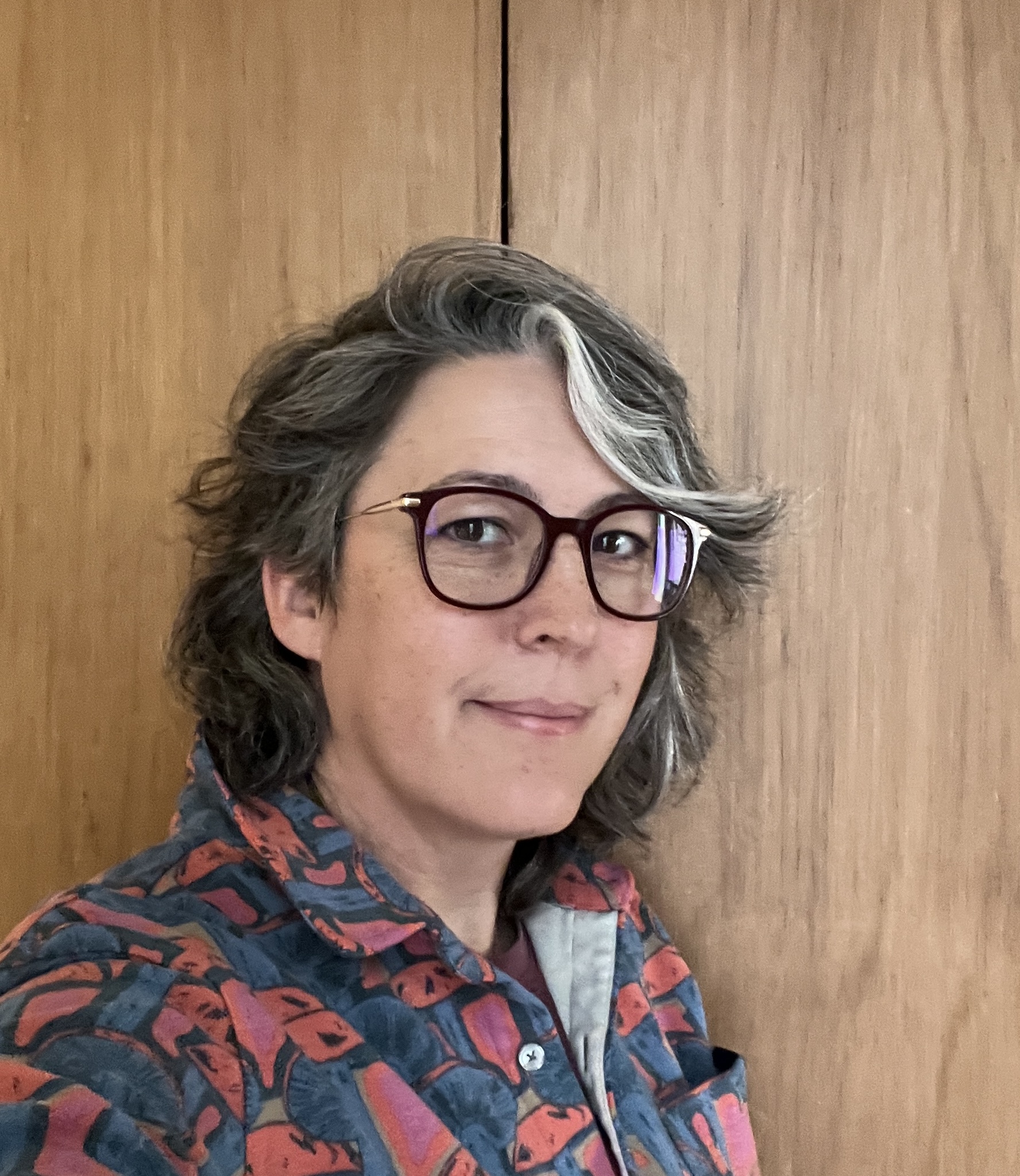
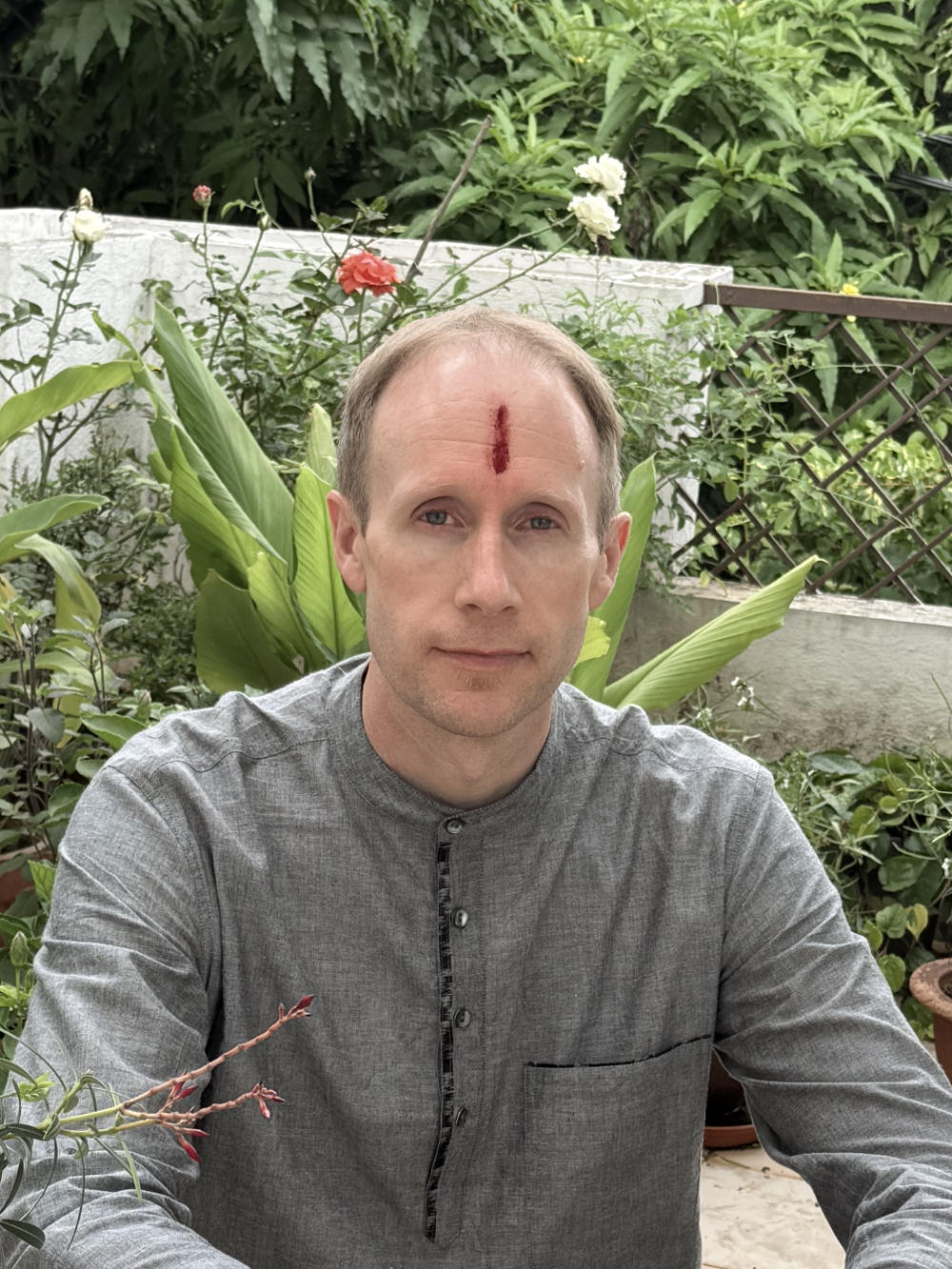
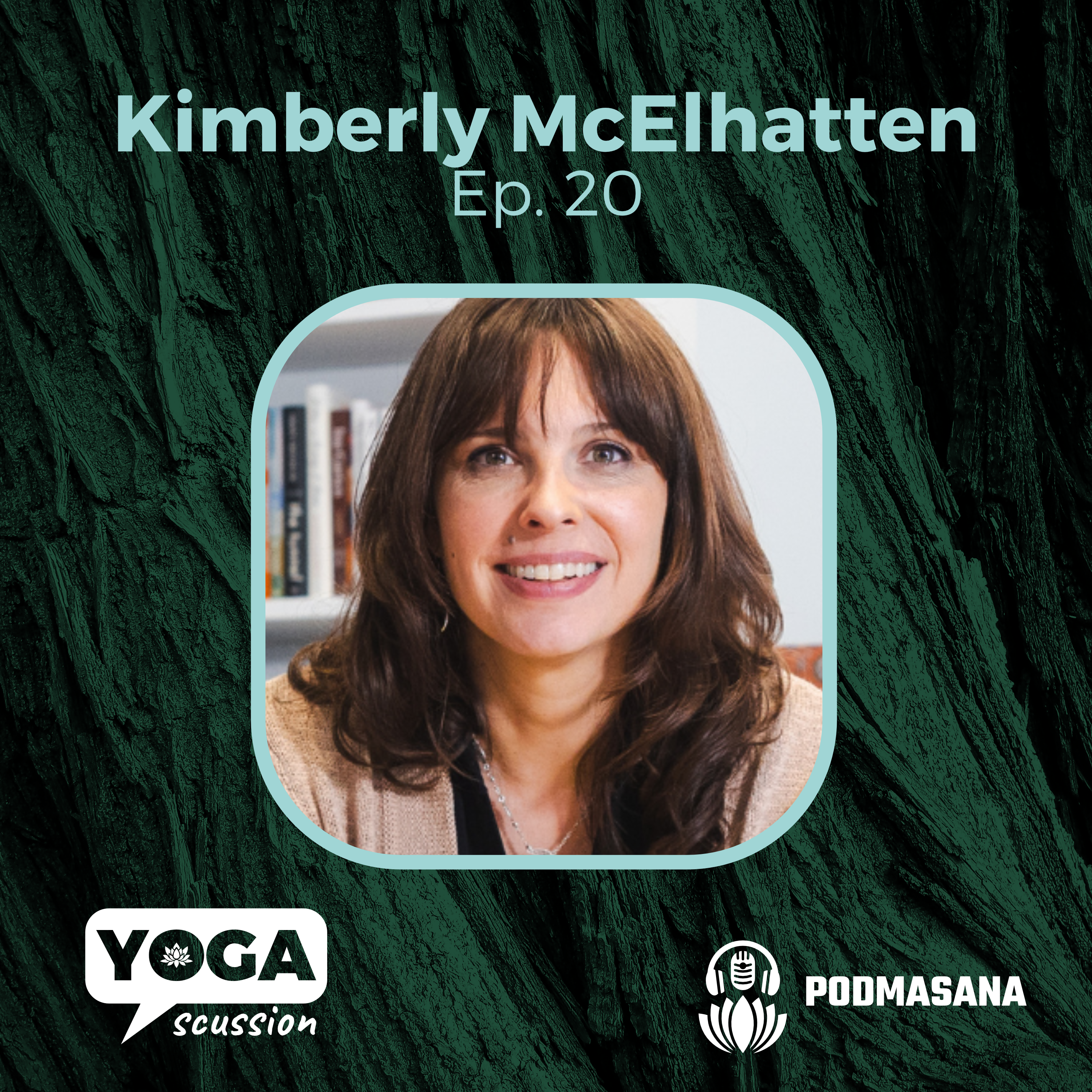
Brendon today we are interviewing Kimberly McEllhatton, who is a writing coach and a poet. She supports writers through revisions, submissions, strategy, and publications, so the whole gambit. She serves on the editorial team at Brevity and the Fourth River. She chairs the Writers Conference of Northern Appalachia Book of the Year. Some of her writing work appears in Anti-Heroine Chic, Bridgelit Journal, and Other Places.
Brendon Orr (00:04)
Mm. Mm.
Gina Clingerman (00:27)
She's also a past participant in the Tupelo Press's 30 for 30 project. And interestingly, the Falling Water, Residency in Nature and Place-Based Writing Program, which is, you guys, listeners, if you don't know what Falling Water is, it's Frank Lloyd Wright House. It's really cool. It's in Pennsylvania. You should go there. Awesome. And as a yoga teacher, her approach is rooted in Kripalu and informed by Iyengar
Brendon Orr (00:46)
You
Gina Clingerman (00:53)
bringing the eight limbs into every stage of the writing and publishing process. And just a little side note, I met Kimberly at Bernie Clark's Yen Yoga Teacher Training and just instantly kind of connected. She's got such a grounded, sweet, earthy vibration and I just, I love Kimberly and I've worked with her as a writer, but I've also been with her in a yoga context and what I love about Kimberly is that
She brings mindfulness, practices from yoga into a writing setting so that we can apply those skills into what we're working on as writers. And so I'm just really excited to interview her today, to talk to her today, and for you to get to meet her as well.
Brendon Orr (01:26)
Hmm.
yeah, and it's just really interesting to see how like writing and a yoga practice can kind of mesh and intertwine. So I look forward to diving into that with her.
Hello Kimberly! Alright.
Kimberly McElhatten (01:47)
Hey there.
Gina Clingerman (01:49)
Yay! Oh, you're here.
Kimberly McElhatten (01:53)
Good, good,
yeah, good to see you both. Yeah. Yeah.
Brendon Orr (01:56)
Yeah,
Gina Clingerman (01:57)
Good to see you too.
my gosh, I'm so excited to have you on the podcast and also just get to talk to you again, because it's been a while.
Kimberly McElhatten (02:07)
It has been, it's been
since, I mean, we did co-writing but since we've seen each other in person, it's been since before COVID. So that is a long time. So, yeah.
Gina Clingerman (02:14)
Yeah.
2019, yeah,
it's been a while. ⁓ Can you give listeners a little bit of a background on yourself, your, kind of your yoga and then like how yoga moved into writing for you?
Kimberly McElhatten (02:21)
you
Yeah.
So my mom discovered yoga in the 80s. And I did yoga with her when I was a toddler, with the show, Lylas, Yoga and You. So that was my start, my introduction before I was in ballet class. Usually it's the reverse. Like, there's this stereotype of the women who took ballet as toddlers and then end up in yoga. I did yoga on TV.
Brendon Orr (02:49)
gonna back to that.
Gina Clingerman (02:49)
Yeah.
Kimberly McElhatten (02:56)
and then ended up in ballet and movement classes after that. And eventually I started a more formal practice when I went to college. went to Penn State University main campus and thankfully they offered yoga as a kinesiology study. I took yoga every semester I could until I ran out of credits that I could spend on yoga and really enjoyed the
study of yoga alongside the stress of going to college because it taught me how to turn off the brain and sleep well. It also taught me how to create healthy boundaries with work and play. Things I didn't at that time know yoga was truly about and I was gifted with a remarkable teacher who had founded a yoga training program in the late 90s in central Pennsylvania.
And then I had a personal practice for a lot of years after that. And ironically, the people I ended up getting my YTT from bought their yoga school from the person who I had been studying with in college. So that was a really like nice handover in terms of lineage. And I didn't even know that when I enrolled in YTT, ⁓ but then when they went over the lineage. ⁓ So that was really special.
Yeah, and so my background is mostly in Kripalu with some Iyengar influence. After college, I studied with someone who was trained in Iyengar. I had three teachers trained in Iyengar, and I like the...
I like Iyengar, but it's not for everybody. I like discipline. I need more discipline in my life. And so Iyengar fit that. And I happened to have a body that could move in the ways Iyengar was asking me to. But I also like ⁓ the Kripalu the mind, that heart-centered practice, especially as I age. I really like having that heart-centered practice because my body no longer, sometimes does not.
Gina Clingerman (04:47)
Thank
Kimberly McElhatten (04:53)
want to move in the way that an Iyengar practice wants it to move. And then met Gina in Vancouver when we got our yin yoga training with Bernie Clark.
Gina Clingerman (05:03)
was so special. my gosh. I feel so grateful to that training because yeah, you're you're actually there were so many good people in that training, but you're the one person I've actually stayed in touch with, you know, off and on throughout the years.
Brendon Orr (05:03)
Mm. Mm-hmm. So many threads.
Kimberly McElhatten (05:05)
It was. It was.
Yeah,
there was a core group of really cool people there. Obviously, you're one of them, but there were other folks travel to another country and find out I'm one person removed from my yoga and drumming community clear back in Pennsylvania. So there were people that I stayed in touch with from Windsor who were then I'm friends with. It's like, yeah. So yeah, it was a great training and.
Gina Clingerman (05:29)
Yeah.
It's awesome.
Kimberly McElhatten (05:46)
with lots of lovely surprises. So if anybody's listening, highly encourage you to check out Bernie Clark's many trainings over in Vancouver and to do them in person. It's a wonderful city and he's a wonderful mentor along with his partner, Diane. Business partner. Yeah.
Gina Clingerman (05:55)
Yeah.
Yeah, they were both, yeah, business partner.
And his wife teaches too, and she's an awesome yoga teacher. I've taken some courses with her online and she's a great meditation teacher.
Kimberly McElhatten (06:06)
Yeah. Yeah.
Brendon Orr (06:12)
there were so many threads there in your intro, Kimberly, that, I mean, Gina and I could be pulling on. I mean, when you were describing, did it seem like a gift of being exposed to yoga at such a young age? Because when you were describing your experience in college and your young adult years, I was just thinking, I'm like, oh, goodness, I wish I was better with like stress or, present moment living or.
Kimberly McElhatten (06:29)
Yeah.
Yeah.
Brendon Orr (06:37)
I think of all the times we were studying for an exam or writing a paper could have been a different process that maybe didn't take as much of a toll. So could you maybe speak a little bit of how, yeah, those earlier experiences maybe informed those experiences as a young adult.
Kimberly McElhatten (06:40)
Right.
Yeah, I think it's such a great question, Brenton. people have asked me one constant throughout my whole entire life is people have told me I'm confident.
don't know where that came from, but I suspect it started with doing yoga at three and becoming confident in my body and how it can occupy space. I don't think I learned like the mindfulness strategies that I have now about calming the mind and stress management, but I do think I learned, especially going from that into early ballet classes, I think what yoga taught me is roll my
back, align them on top of the hips, and I look, I've always looked confident.
as a result of that posture study, even though maybe inside I didn't feel that way, but it taught me to project that energy in ways that I didn't know I was doing, but other people noticed for me. And what a gift as a young woman to be confident in my body and how it occupied space. And what a gift Laila gave to me unknowingly. And what a gift my mother gave to me
by having me do yoga with her. So that, that I think is the biggest lesson. And then going into ballet class and I had a Russian ballet instructor who definitely instilled that. So it was a nice continuation of building body confidence.
Brendon Orr (08:28)
Yeah. And I loved
your use of the word projection because it just seems like, you know, confidence is essentially just a projection of that present moment embodiment, right? Yeah. It's not like the superficial confidence where you're just trying to project like an illusion. You're, really just being present. And then that's almost received as confidence. Yeah. Yeah.
Kimberly McElhatten (08:40)
Yeah,
Yes.
Gina Clingerman (08:53)
Well, there's
been a study on power poses in like yoga power poses and how they've taken people and been like, we're gonna take you to a job interview and you're not gonna do anything. And then they take another person, say you're gonna do same job interview. You're gonna stand in this power pose for 20 minutes. And they've noticed that even hormonally, the hormone shift in the body and the people who were in the power pose showed up in a more confident manner.
Brendon Orr (08:57)
Hmm.
Gina Clingerman (09:20)
And that's just prana moving through the system, right? Like it's cool how like the structure of the body can change. Like if you change the structure, stack your bones, get aligned, ⁓ you can actually like change your internal state, which is so, it's always mind blowing to me with yoga.
Kimberly McElhatten (09:23)
Yeah.
care.
here.
Gina Clingerman (09:42)
⁓
I'm wondering if you can, since you are now in this writer's realm, and if we could talk about yoga and writing and how this came about for you. I've got to experience your co-lab writing group and it was so beneficial for me. It was such a wonderful container to operate in.
Kimberly McElhatten (09:49)
year.
Gina Clingerman (10:03)
I shouldn't say operate, that's the wrong word. More like explore and play and feel inspired. And what I loved the most about it was how we would check in and check out and how yoga really was the container for that even though we were not doing it.
Kimberly McElhatten (10:20)
Yeah, so I don't know any other way to do groups, but to use the container of sending an intention or sankalpa in yoga. We don't call it that in the co-writing group because not everybody there is a yogi and I want to make it accessible. So that intention setting, like aligning, know, Bernie Clark aligning attention with attention.
And then setting conditions for success, right? And so when we're talking about yoga, we're setting the condition to bring our body to the mat. When we're setting conditions for writers, we're setting the condition for flow and focus, which is what writers struggle with. And then, you know, checking out as well and doing it in a way. And this is how my yoga teachers would always do it, like sharing just a little piece of accountability at the end, like a word that you're leaving with or, you know, in the sense of
co-writing, it's real simple. not critiquing each other. We're not there to critique each other's work. We're there to hold each other accountable for sitting in our seat and writing so that, you know, a simple check out of what did I accomplish and how will I continue to move forward I think is such a more powerful move in some way than sharing some of your work.
And so yeah, I bring that same container that Kripalu teaches us, the centering, the sankalpa.
coming aligned with the moment and that checkout. And so as a result, the co-writing folks go away with and that experience they have is a very heart centered practice. And they're not, what I find is that they're not used to having a heart centered writing practice. Writers usually have a really conflicted relationship with their writing where they love it, but they hate it and they never find they always...
put it last and if I can create a container for 90 minutes where it is heart-centered and they have a positive relationship with the writing I know that they'll be successful even outside of that co-writing experience as well. So yeah.
Brendon Orr (12:19)
Yeah, it's interesting to see how like writing and yoga could kind of intertwine and you, your bio mentions that you apply or bring the eight limbs of yoga into the writing or even like the publishing process. And it's interesting to think about that integration. And as I was reading that in your bio, I'm trying to think and I'm
Kimberly McElhatten (12:34)
Yeah.
Brendon Orr (12:40)
referencing like the eight limbs of yoga. Okay. How would we apply this to the writing process? And I'm sure you've got some specific ideas. I mean, in my mind, I was thinking, you know, I could see truthfulness Satya being applied or, Brahmacharya, this concept, the moderation, or maybe even like the sense of contentment satosha from the Niyamas. So, I mean, are there any, I don't know if you have favorites or ones that kind of rise to the surface, are there ones that you really see yourself applying?
Kimberly McElhatten (12:54)
Yeah.
Yeah.
Yeah.
Yeah.
Brendon Orr (13:08)
to this work, Kimberly.
Kimberly McElhatten (13:10)
Yeah, so there are two that I'm always referencing. With my clients who do yoga, I'll call the yamas and the niyamas out. If they're not a yogi, we'll talk about the terms, but we'll talk about the plain English terms of it. And the two that I liked, I mean, all of the niyamas, the yamas and the niyamas, mean, writing is a yoga practice. So the eight limbs and then also the yama, you know.
tucked inside the yamas and the niyamas. But I think ahimsa, nonviolence shows up a lot. And there are kind of two ways I see it. I specifically nonviolence to the self as a writer. We have inner critics that show up and have all kinds of messages that they want to send to us that can keep us avoiding our work, procrastinating, or even playing small. And that's why I have on my team, have a wellness coach.
that does all of our inner critic coaching for our writers so that they can work through and develop a compassionate relationship with their writing practice. And then there's this other part, and I see this more in my editing work with literary magazines, where we have to not only be compassionate with ourselves, we have to be compassionate with the people that we're writing about and the characters that we're developing in order for them to be well-rounded and to go after
truthfulness, satya as well, right? We have to be compassionate, yeah, with the people that we're writing about. And so then the other one that shows up is tapas a lot, like the fire of transformation, especially when I'm working with writers who are going after truth. We can't get to the truth until they have gone through the the cauldron.
And they've put themselves to the fire and they've done that inner work that allows them to have access to truthfulness. Because otherwise a writer will often have an easy cliched end or an easy cliched thematic content that has been written about a hundred over, know, hundreds and hundreds of times. And so helping them.
do that work on the page. While I'm not a therapist, and I'm not a counselor, and I'm not a peer professional, I'm a writing coach and my job is to help them through some of that stuff so that they can access the unique truth that's on the other side of sitting in the heat of transformation. So yeah, I love doing that work with writers and being a yoga teacher and being familiar with that framework allows me to really be seated in a pos-
and a position to walk them through that journey. Again, whether they're someone who is a rote yoga practitioner or whether it's someone else, still the perspective and point of view that I'm approaching both my own practice but my work with others.
Brendon Orr (15:43)
Hmm.
Cool.
Gina Clingerman (15:56)
wondering
if you had a moment where you had this, where you were like, like an aha moment where you were like, oh, here's how yoga's in my writing and you were like, oh, this is the framework and now I'm gonna, like now this is where I'm headed. Like did you have one of those moments or many or none?
Kimberly McElhatten (16:03)
You
Yeah, no, I think that co-writing is where I discovered that that's the lens that I was bringing to my work with writers. I was using the same class structure for the most part as a Capraolo structured class. And what I noticed when I used that framework is writers would tell me over and over again, they lost track of time. They got into the flow.
much more easily, that the time that they spend in co-writing is way more productive than any other time of the week.
Brendon Orr (16:43)
Hmm.
Kimberly McElhatten (16:52)
And so I then took a step back because I'm a trained educator. taught middle school and high school for 16 years. So then I want to go, well, what created these conditions and what's really going on here? And so they're having these flow experiences. We're talking about limbs of yoga. Those are our later limbs of yoga where they're disassociating with themselves in a good way. And they're connecting with that higher source. The ego is dissolving in those moments.
And I thought, well, hot damn, here we are. And I think it was also moments where I had, because so many of my clients are yoga students, we share that common language. And when they were stuck, especially with convenient truth instead of pushing through the transformative element, if I just would say the word tapas to them,
Brendon Orr (17:24)
You
Gina Clingerman (17:25)
you
Kimberly McElhatten (17:47)
It would be a trigger moment. So you have to sit in this. We can't take the easy way out. And so, both co-writing and then working with.
clients who I share yoga, you know, who we share yoga in common with, allowed me to see that more clearly. And then, like I said, I transfer that into my work with all of my clients now. Just adjusting language depending on who I'm working with. So I think yoga just provides such a nice perspective and language for working with folks on writing projects.
Brendon Orr (18:18)
Mm.
Yeah. then like researching you for, this discussion and just thinking about this whole topic, it's just like thinking of writer's block. my younger days, I'm like, okay, that's just in the mind. You just can't think of anything, but is, is writer's block, could that actually be a blockage in other areas or could there be other things going on during a ⁓ writer's block? you think, or is it just within the realm of the intellect?
Kimberly McElhatten (18:46)
Yeah.
I think writers block
could have a foundation in a couple of things and it's about working with a writer to figure that out. Oftentimes it's one of a myriad of inner critics who are trying to, who may be trying to protect you from failure or from success. So sometimes that inner critic will mute your voice in order to protect some wounded child version of you. We also incorporate internal family systems work into our work.
with authors so it's a weird mishmash of Kripalu yoga and internal family systems. And so we apply that writer's block, we apply inner critic work on top of the writer's block. Or it could be the author just hasn't figured out what things mean yet.
And so they think they're blocked, but they haven't given themselves enough time to sit in the tapas, sit in the transformation, or they have busied themselves so much that the default mode network in their brain doesn't get time to reorganize the memories with the new writing in order to find meaning. And so that's where we encourage mindfulness and meditation. Walking is one of my most often prescribed
derived forms of treatment for writer's block because it's usually a default mode network or inner critic issue at play there.
Gina Clingerman (20:11)
And when you say default mode network, do you mean like the way we distract our brains with stuff? Like when you said go for a walk, I was thinking of all of these great, brilliant writers who were like, all of my best thoughts come when I'm walking. But then I see all these people walking today with headphones in and they're either talking to somebody or they're on a podcast. And I refuse to do that. I walk with nothing.
Kimberly McElhatten (20:21)
Yeah.
Yeah.
Yeah. Yeah. Yeah. Yeah. Yeah. So
the default mode network is the part of the brain that turns on when we're meditating or where we're doing nothing without headphones in, without watching television, that we're simply doing nothing. And neuroscientists don't completely understand.
what's at work. They can identify the different parts of the brain. And there are parts that light up all over the brain. It's not just one section. And so what I find interesting is that, as a result, your brain is forming all of these new connections. And it's trying to make sense, usually, of the past. Or it's trying to make sense of what it predicts is going to happen in the future. So if you're a writer, this is really critical if you're going after truth, especially a nuanced, fresh perspective.
that you're trying to share. And I think you're right. You're very much right here, Gina. Like walking with your headphones in, that means you're processing the information that's coming in. We're not allowing the default mode network to come in. And I think it's so crucial for integration. And so that's why I prescribe walks, no headphones. Just go take a walk in the woods where the stimuli around you is reduced so we can start lighting up the different parts of the brain to start that integrative process.
Yep.
Gina Clingerman (21:51)
have one more question in that vein just because I just recently was reading a piece about how they were studying what parts of the brain light up when you're typing and what parts of the brain light up when you're writing by hand and they were showing that there's so much more integration and like the brain is on fire when you are handwriting versus typing and I just wondered if you had any thoughts on that because I'm still mulling it over in my own mind.
Kimberly McElhatten (22:16)
Yeah.
That research was coming out when and about to, started to come out in 2016, 2017 while I was still a teacher. So at that point, I was really interested in that research because I was working with young minds that needed to like learn, memorize and integrate all kinds of things every day. And what I found interesting about the research at the time, and I haven't kept pace with the new research that just came out I think last week,
is that our brains solidify learning better when we are writing and taking notes by hand than when we type. And I think we can translate that to working with adults. also think handwriting allows us time to process, and it probably allows that default mode network a greater depth into that default mode network. We're not interacting with a screen and a keyboard, and we're
We're
not noticing in the background that there's a notification popping up. We're looking down.
which means the distractions around us are less. And there's some good research that shows like if you put a hoodie on, you're more likely to be focused. And that's because like your frame of reference is here. And I'm wondering like, I'm wondering if that's not part of it is that you're down frame of focus is less, which allows us to integrate more and allows that default network to light up more. Yeah, it is interesting research and you know.
Most of us, at least in my childhood, I spent a lot of time trying to make sure I could type fast, but now I want to slow down. I want to open up the journal and I want to write by hand. I do have more writers doing that, writing in journals and writing by hand than by keyboard, as an early part of the process.
Gina Clingerman (24:00)
Yeah.
I'm so curious, sorry, I keep going down this road, but I'm just so curious. I wonder if yoga works with the default mode network in just in the way it works. if that's why, I mean, some of the greatest moments that I've had as a writer or a phrase putter together, let's say, that wasn't a very good phrase, but.
Kimberly McElhatten (24:15)
You
Gina Clingerman (24:41)
Sometimes I'll be in like a restorative class and it's like halfway through the class and it's like, boom, this big truth kind of lands in my body, in my brain. And it's like, and then I just write an essay in my head of what just came through. it seems to me like there might be some connection there.
Kimberly McElhatten (24:48)
Yeah.
Okay.
Yeah.
Yeah, the neuroscience is still out. I was actually just reading about this yesterday and talking with my wellness coach about us stressing the importance of play because of play and relaxation because of the default MIMO network and getting them to make play, like putting play and rest on their agendas.
And in that, did read things about how default mode network comes on when we're meditating. And I think when we're doing yoga, we have, when we're in a pose, we have these little mini meditations, especially with restorative yoga, when you're in a pose for three to five minutes, and there maybe only is music playing and we're not being guided. think these little mini meditations are opportunities for that network to light up and...
give us little pieces of enlightenment, right?
Gina Clingerman (25:52)
Yeah, little messages
from beyond.
Kimberly McElhatten (25:55)
Yeah, right? Yeah.
Brendon Orr (25:59)
Kimberly, I wanted to circle back. Earlier you had mentioned this concept of doing nothing, right? And I wanted to approach that maybe from a couple angles. So I remember my first meditation experience and the instructor says, don't do anything or just do nothing. Wait, what, what, what, what, what, what? And then like, you know, it was like, it was a spiral.
And, we were referring to don't take headphones out into the woods, just, just be right. And it seems like this, and we can maybe try to unpack it, is a challenge in modern times. And maybe for people of millennial generation and younger.
not necessarily just tied to those generations, but it seems like it's maybe become a little bit harder as people have maybe gotten a little too accustomed. I shouldn't say too accustomed, but just more accustomed to stimulation being the norm. Right. So help us unpack that, like on how does, how do we retrain or how do we maybe sell the idea of doing nothing?
Kimberly McElhatten (26:47)
Yeah.
Yeah.
Yeah.
you
Yeah. Doing
nothing.
Brendon Orr (27:14)
not only
for like getting to that point, but then how does that also relate to the writing process? Because you hear all these stories about, it just flew from me. I wasn't even thinking about it. Like it was just coming out. And more than likely, they were not intellectualizing that process. It was just coming out. So, all right, let's unpack all this, Kimberly.
Kimberly McElhatten (27:21)
Yeah.
Mm-mm.
Yeah.
Well, I think, you know, in a practical sense, when you're working with people, and I don't, I think it's, it's regardless of age. I see boomers who are just probably even more attached to social media and their devices than my daughter, who is millennial. So I think it transcends any age and I think...
I can't go a day on social media without another adult my own age saying they were just diagnosed with ADHD. And ADHD is real. And I can't wonder if how much technology is in our life might be exacerbating symptoms of that because our executive, it's taxing our executive function to a point of fatigue. ⁓ And so anytime I'm working with someone, I am assuming that they have that.
Brendon Orr (28:17)
Mm.
Kimberly McElhatten (28:23)
they are fatigued, that their executive function that needs some restorative yoga perhaps, right? Because that's so important for us to turn off. And so how do we teach people how to turn off? I think, you know, I also have something I haven't mentioned here. I trained for many years with Jim Donovan, who was one of the founding members of Rusted Root, whose song, Send Me On My Way, has been featured in the tea.
Brendon Orr (28:29)
You
Gina Clingerman (28:49)
⁓ I love them. ⁓
Kimberly McElhatten (28:51)
Yes, so he has been one of my mentors for a long time and I trained with him as a drum circle facilitator and things like that. What I learned from him was...
Gina Clingerman (28:51)
Whoa.
Kimberly McElhatten (29:04)
you have to you have to give people very simple tools to turn their brains off and find rest. So for example, in co writing, I understand that even if we do an opening meditation that is three minutes, that three minutes might feel very long and impossible for some of the people who are showing up for the first time. And so how do we help them anchor to nothingness? And for me, that's the as simple as
saying in on the inhale, pause in the in between out on the exhale and pause on the in between so that if their mind is feeling scattered and their body is feeling scattered, they can use those three words to stay anchored to the breath.
and then also give them permission to forgive themselves for not doing it right. And that's something what I like about that is that's something that they can even take, take with them outside of co writing. You know, if I'm have a client who would
say they were having difficulty keeping their mind off of other things while they're in the woods, I would teach them about labeling. So when you see a tree, say tree. When you see things to stay grounded in that spot, labeling them, I find that is such a useful way of doing it. And it's nice for a writer too, because it teaches them the economy of language.
That would be my approach to that. it's, again, how we do co-writing, especially if I have someone new in the group and I don't know what their background is with grounding and meditation. And this might be very weird and strange for them for the first time. I use that anchoring, the word anchoring exercise for them.
Gina Clingerman (30:47)
You're talking about that, my mug here says, Instructions for Living a Life. I'm sure you know this Mary Oliver poem, Pay Attention, Be Astonished, Tell About It. I love it. I love, like she does that so well. Like she is a writer that when you read her words, it's like you are with her, like out there experiencing.
Kimberly McElhatten (30:53)
Yeah, okay.
Yeah, I love that.
Yeah, have you read
if you like recommendation if you love Mary Oliver, I highly recommend that you pick up Marie Howe's book, her new and collected last year one, The Poulter and
Gina Clingerman (31:14)
Yes, give me all.
Kimberly McElhatten (31:25)
She's a newer voice than Mary Oliver and is still with us and a living, breathing poet. And anybody listening, you're a Mary Oliver fan, give Marie Howe. And then our US poet laureate Arthur C. Sze is also a poet in that same vein where it's these be astonished, these simple observations that have this astonishment in them. Just two really remarkable poets right now.
Gina Clingerman (31:55)
I love a good recommendation. Yeah, I do this thing every day, not every day, but when it strikes me, I call it beauty of the day. And so it's like, I'm kind of always on the lookout for the like most astonishing thing that I get to see in each day. And sometimes it's not always the most astonishing, like sometimes it's like a painful moment. It's like, ooh, that's astonishing and how much it hurts or.
Kimberly McElhatten (31:55)
You
Yeah.
Gina Clingerman (32:22)
you know, a moment where you're like remembering somebody who is not here anymore and it's like, ⁓ gosh, that's astonishing and like how like fresh that still feels or, you know, it's sandhill crane season here. so like, gosh, sandhill cranes are so astonishing to me. Like I just, they, I just love them so much.
Kimberly McElhatten (32:38)
Mmm.
Gina Clingerman (32:44)
And so just seeing them and like just so I'll write a couple of sentences about the beauty of the day. What was the thing today that was so beautiful the other day? The sunlight was coming through the window and my my fiddley fig was backlit and the green was so green. It felt like my eyes were going to just tear apart. It was so beautifully green, but the veins were gold. And it was I for a moment I felt fractured into space as if.
Kimberly McElhatten (32:49)
Yeah.
Gina Clingerman (33:12)
as if like, what is it to be human and see this, to witness this green and gold together? I felt torn apart in the most amazing universal way. And then all of sudden you're like, yep, and now I'm doing the dishes. But I love that practice of just reminding myself that there are just these tiny moments every day. It feels Mary Oliver-like to me. It's like kind of my Mary Oliver practice, I guess.
Kimberly McElhatten (33:25)
Yeah.
Brendon Orr (33:33)
Yeah.
Kimberly McElhatten (33:36)
Yeah.
Yeah, absolutely.
Brendon Orr (33:38)
when this is all kind of playing within this
framework of play and pause, right? Kimberly, you were talking earlier, you know, we live in a society where we see that triangle and there's almost like, you just want to just tap it. let's see where this takes us. But maybe we need to kind of really start to appreciate more the two lines, for pause, And how do you, I guess, teach that within this framework of helping writers? Because...
Maybe they're always trying to beat their head up against that blank page or get them through some type of block, but you've touched on the best thing you can do is maybe take a break. What does pause mean within this work?
Kimberly McElhatten (34:11)
Yeah.
Yeah.
Yeah. So I'm struck that we need to start somewhere else with the answer to that question. And it's, when a writer starts working with me, you know, on on a intensive or mentorship level, we start with, we start with identifying why they're doing this.
Brendon Orr (34:22)
⁓
Kimberly McElhatten (34:37)
Why are they here? What impact do they want their writing to have? And it walks them through some Dharma work for them on the other side to have an impact statement. And that as a guiding principle gives them, I think, momentum for their writing practice, but also gives them more motivation to take the pauses.
Brendon Orr (34:45)
Mmm.
Kimberly McElhatten (34:58)
that are needed in order to keep going on that path. And then we do goal setting. And then there are pauses that we have incrementally around that goal setting as well. Like it's time to pause and take stock of where we are. Are we where we want to be? Are we even headed in the direction that we want to be? Or do we need to reassess? And putting those pauses in intentionally, I think is where my writer
have the most success and that when we're pausing, what we're really doing is we're aligning the reason why we're here with our attention and our intention back to that Bernie Clark quote. And yoga is such a great gift for that. ⁓ And yoga off the mat, right? Because so many of my writers aren't yoga students, but we're still we're practicing it just off the mat.
Brendon Orr (35:41)
Mmm.
Mm.
Kimberly McElhatten (35:53)
Yeah, that rest is that intentional rest and increment like planned rest, I think is so important to that.
Brendon Orr (36:02)
Yeah, pause kind of can only happen from this place of awareness, or maybe it also just gives you the opportunity for awareness. Yeah, and so I just love how these two concepts are just related here.
Kimberly McElhatten (36:11)
care.
Gina Clingerman (36:14)
And I also love how there's all of these ways that yoga is not on the mat. This is a common theme in almost all of our conversations with all of the myriad yoga folks that we've talked to is that it starts as a practice, but then it transforms itself into something else that becomes a useful framework for embodiment.
digestion of this human experience like here we are on earth school. We're like doing this thing. What does it mean to be Gina on this planet right now in this moment? And like I would posit that for all of our listeners out there and every human being like what does it mean to be you on this planet in this moment? What do you bring here? And doesn't mean that you have to know your purpose or know the big giant grandiosity of it, but it's like it's like the pause, right?
Kimberly McElhatten (36:42)
Mm-hmm.
there.
Yeah.
Mm-hmm.
Right.
Gina Clingerman (37:12)
The slowing down to breathe and be in your experience in your body. Like nobody else has a body like this. All of our bodies are, I mean, from Bernie Clark, all of our bodies are 100 % unique and different and your body will never be replicated ever again. Like unique experience. Yeah. It's so profound. I know that's not a question, but if you have...
Kimberly McElhatten (37:13)
you
Yeah. Yeah.
Yeah.
Brendon Orr (37:39)
Hahaha
Gina Clingerman (37:39)
thoughts that are, you know, that you're like, I need to say this.
Kimberly McElhatten (37:43)
Yeah. What a gift that we get to do this and that we get to have
yoga and that we get to have this perspective in a world that is so noisy. And so like just so noisy right now and that yoga, a gift that we can take yoga off the mat, it can go with us in our writing practice. You know, a reminder that before we write, we can sit on our seat, we can close our eyes, we can roll our shoulders back, we can take three breaths, we can set an intention. And we can do that with anything. It doesn't have to be
on the mat, it doesn't have to be a writing practice, it can be before you get in the shower. Right? Like it is something that is such a useful tool. And I'm, you know, I'm happy to share that with the writers and.
Brendon Orr (38:30)
Well, and Kimberly, you had mentioned perfectionism or fear kind of being these obstacles for writers. And I mean, these are, these are like human obstacles. They're not just, you know, unique to writers, but we can also maybe talk a little bit about how, perfectionism and fear manifests in a yoga studio space. I mean, how many times were we or listeners, maybe even while they're listening to this episode.
they're trying to master like an asana or have they felt that sense of fear or doubt with how they're being perceived either by someone else in a class or even their teacher. So what does yoga have to do here about helping us navigate concepts or experiences like perfectionism or fear?
Kimberly McElhatten (39:02)
Yeah.
Yeah, that's a great question. And I think this is where like the yamas and the niyamas come into practice. You know, if we're worried, if we have a perfectionism problem or if we're afraid of success or afraid of failure or you know, imposter syndrome is also a contender in the work of writers. There's also...
Writers also struggle with a fear of hurting other people by telling their truth. There are all of these factors at play. I think I bring a wellness coach in to handle that part of it who's trained in coaching people through that inner work stuff. On the page, it's how I'm crafting questions that stay centered in curiosity in the beginner's mind.
that open access to that same mindset for the writer. And so knowing how to ask the right question at the right time and the right place for the writer is the role that I'm playing. And also creating a coaching container that is about growth.
And it's such a weird thing that's also judgment free because it's an editing relationship. So there is a lot of subjective feedback that they get. So how do we create a container where it is safe for them to get that feedback and know that they're supported through whatever that inner critic work is, whether it's fear, perfectionism, imposter syndrome.
Brendon Orr (40:30)
Haha.
Gina Clingerman (40:31)
you
Kimberly McElhatten (40:50)
So yeah, setting the container in the conditions, which in a coaching session with in a coaching program with me, it's the very first thing we do do. We don't talk about writing in that first session, we talk about our coaching alliance, and what the what you the client best need from me on your journey to become a better version of yourself as a as a writer.
Brendon Orr (41:15)
Mm.
So I'm gonna throw two C's at you, okay? Creation and contemplation.
Are these two sides of the same coin? Do you think as it pertains to either writing or even just a yoga practice? because like creation and contemplation, all right. So creating can be this joyful experience. can also be an incredibly taxing, challenging experience, right? And then creation is
Kimberly McElhatten (41:30)
Okay.
Yeah. Yeah.
Brendon Orr (41:55)
something attributed, especially these days, to being uniquely human. And it's kind of like a struggle, right? And if struggle is also related to the concept of suffering, also like human. So yeah, what do you think about these two C's, Kimberly, in relation to this conversation?
Kimberly McElhatten (42:08)
Yeah.
Yeah,
yeah, well, I think creativity starts in contemplation. And I contemplation, if we go back to the default mode network, happens when that is turned on. And then the creation is what we make of that. The creativity is what we make of that.
contemplation. think the also the creative act is also, contemplation might not have a sandbox, it might not have a container, where creation, the best creation typically happens inside of a container with constraints, because it's how we manipulate and creatively use those constraints. So for example, if you're a poet, it might be, I was walking, I have this really great idea,
Deagina,
like you were saying every day, you have this practice of pointing out beautiful things. That's the contemplation part. But then we come back, we sit in our seat as writers, what do we make? What do we creatively make of that thing that we were thinking of? Do we make it into an ode, a sonnet? Do we turn it into a flash nonfiction? Do we turn it into a micro essay and submit it to Beautiful Things that's hosted by River Teeth?
And it being a holy human endeavor.
That's a whole nother podcast with people. think that's a panel or a big conference that we can get into. I'm not sure how I feel about that, because I imagine you're hinting at AI and how that can be used in a creative sense. And I don't know that I am ready to come out on either side of that, because I am a tech person, not saying that I advocate.
Brendon Orr (43:31)
Hahaha
You
Mmm.
Kimberly McElhatten (43:57)
for the use of AI, I don't use it in my own writing practice, but I'm curious in the natural evolution of things how it will lend itself to helping us with creative, like the contemplation of things or the creativity part with a human behind it.
I'm curious where that will go. it's not my field. And I don't work with writers who are using AI. I prefer not to. ⁓ And that's simply because it's harder to edit a piece that's written by AI because it's generally not written that well. And so, yeah, I don't tend to work with writers who are using AI.
Brendon Orr (44:38)
Yeah, no, that's
understandable. And I guess, do you think that your role as a writing coach has deepened your understanding of yoga or maybe even just flip that as well? You your experience and the time you've had practicing yoga, how much of that has informed what you do as a writing coach? So it's kind of like a dual question at you, Kimberly.
Gina Clingerman (44:55)
was a good question.
Kimberly McElhatten (45:08)
Yeah, I will say that my work with writers and an editor is to...
always been directly informed by my yoga practice and my training with Jim Donovan. And I will say that predates my life as a coach that goes back to how I did work in the classroom. At about my fifth year, I really got serious about my yoga practice. And then I met Jim and he became a close mentor of mine and how I facilitated groups of people regardless of their age changed. And it changed
⁓ as a result of the influence of yoga on me, but also the influence of yoga on Jim and what he was passing down to me on how I bring people together and help them feel both joy and peace. With 13 year olds, I wanted to create conditions where they felt safe so they could learn. Adults, I wanna do the same thing. I wanna create conditions where they feel safe so they can learn and they can write their best work.
I will say once I went and got my YTT, it deepened and strengthened that understanding because
Until that point, it had been a bodily practice on a mat practice, and it had been distilled through my mentor. But I hadn't studied the eight limbs in depth, and I hadn't studied the yamas and the niyamas in depth. And my YTT program was an extended program. There's a lot of them that are real short, and there's no time for integration. Mine was long, so there was time for integration. And that's...
That is when then it started to like shape both, both started to shape each other at that point. I'm profoundly thankful for my YTT study and its emphasis on philosophy and ethics.
Gina Clingerman (47:01)
YTTs were also extended and I for listeners out there if you are interested in getting a YTT I highly recommend finding an eight month a ten month a year long program because
Kimberly McElhatten (47:12)
Yes.
Gina Clingerman (47:13)
There's so much information and you're gonna go down so many awesome wormholes of everything and you're gonna find the thing you're like super jazzed about. But in those like 200 hour YTTs that are like two weeks, you just, your brain, your body, your spirit, your psyche just simply cannot absorb that much. Mm-hmm.
Kimberly McElhatten (47:27)
Yeah.
Well, comes back to rest. We need time to
rest, to integrate. And if we're going to show up as a yoga teacher who is living and breathing these practices, we need time for that rest and integration and a two week or a weekend retreat. YTT doesn't afford us that opportunity. It's just not, it's not how our, it's not how we embody learning.
Brendon Orr (47:39)
to Orbia.
Kimberly McElhatten (48:03)
Yeah.
Gina Clingerman (48:04)
I
that too circles back to that default mode network too, of like, we are bombarded all the time with social media, with news, like things happening. And it's just like, you literally, mean, I literally have to carve out time in my life to be like, no phones, no TVs, no screens. Like I'm going to lay on the floor or the ground outside.
for 20 minutes and don't talk to me and just let me breathe. And that is hard to do because our brains and our society, I think has convinced us that productivity is so paramount. And you can't have productivity without rest. You cannot. My little tiny soap box, but.
Brendon Orr (48:43)
Hmm
Yeah.
Gina Clingerman (48:50)
I do have a last question only because I'm such
a nerd. So in your bio you said that you did a residency at Fallingwater. Did you get to stay there? Like can you tell me a little bit about it? my god I love Fallingwater so much.
Kimberly McElhatten (48:59)
Yeah. Yes. Yeah.
So a quick plug for Chatham University's MFA program. They have a full res and a low res program and their program director, Sheila Squalante is fantastic. Chatham is in Pittsburgh, so it's not that far from Frank Lloyd Wright's Falling Water. And...
She, collaboration, Chad, in collaboration with Falling Water last summer, hosted a five-day riding residency. And so I got five days on the land. We stayed, we get to stay at High Meadow Studio, which is a one-mile walk up a farm road to a building that was built in the style of Frank Lloyd Wright and has lodging for about 15 people and a nice commercial kitchen in it. So I stayed there for 15 days with our, for five days
with other writers. And we got great exclusive access to Falling Water. We got a great in depth tour. But then the next day we were invited back. And it was just us. They opened the door. They said, take off your shoes. You're here for two hours. And
We had unfettered access to the house, places that you wouldn't normally be permitted to go. We got to go, including the basement, which was it was interesting to see the basement, right? Well, it's got the boiler in there and it's got cleaning supplies like to juxtapose that against like the grandeur of the rest of the house. But to be barefoot in falling water with the rock floors was really nice. They also opened if you've been to falling water.
Gina Clingerman (50:14)
What is the basement like?
Kimberly McElhatten (50:33)
They opened the gate that leads down to Bear Run and allowed us to go down the stairs, open air and stand right above Bear Run and feel that rush of air that's coming from the stream that cools the house.
Yeah, just five days writing, writing in, writing on that land, getting to explore that land. And that, the best part was communing with other writers. think one thing that we haven't talked about is such an important part of living a full and rich writing life is being in community with other, writers. And so some of us did very little writing that week because we were starved of that community component.
And we made really lovely connections there. I think the more time you spend in community with other writers, the more you feel like a writer, the more you know you were a writer, and the more you sit in your seat and write. And so that was really special. So shout out to Chatham. It's part of their low residency program. So if you decide to go for your Master of Fine Arts in Creative Writing, it's a really remarkable experience.
and it's a lot of rest and play while you're there.
Brendon Orr (51:44)
That sounds like a cool place.
Gina Clingerman (51:44)
to tour
⁓ Falling Water as part of my job in a different life, in another life, my other life. And every room we went into I was like, because I'm an archaeologist and I was just like, my god, that pre-Columbian pottery, like what, and the lady who was giving the tour, the tour was not towards the art of the art or the artifacts, but she looked at me
The whole tour I was like, that's a hokusai. my God, there's a daigah. And she was like, you're on the wrong tour. You need to be on the art tour. And I was like, I'm dying. I'm just, yeah, it's such a beautiful place.
Kimberly McElhatten (52:11)
You
Yeah, so I got to sit
with that art.
I got to sit with that art without somebody looking over my shoulder. The cameras were on, but yeah, I got to be with the digas and the picasso. It's just like really taking in how special it is to be in a place that has such a great art collection and to be in a house that is so deeply connected to nature at the same time. If you're an archeologist, I am taking a group of writers in November to Meadowcroft Rock Shelter in Washington, PA, which is if you...
Brendon Orr (52:28)
you
Gina Clingerman (52:42)
Yeah, that house is.
My aunt lives
well my aunt live there. She's not alive anymore
Kimberly McElhatten (52:55)
So Meadowcraft for listeners, Rock Shelter is the...
has the oldest evidence of human habitation in North America. it rewrote the theory on human migration to North America. And so they have evidence of humans being there back to 19,000 years ago. taking a group, not a lot of people know about this place, so I'm taking 25 writers and five instructors there in November. I'm...
Gina Clingerman (53:22)
you send me the details?
Kimberly McElhatten (53:22)
It's going to be place-based and about
rest and play, but how can we leave there and tell people about the importance of this particular location?
Gina Clingerman (53:31)
the excavations there were very, very debated. Interestingly enough, did some seabed dragging where they like drug the seabed around ⁓ on the East Coast and they found a mammoth skull with a
Kimberly McElhatten (53:35)
yeah.
Yeah.
Gina Clingerman (53:48)
sorry, my archeology brain has turned off, a spear point in it. they were able to date the mammoth skull and it was like, okay, this is more evidence. There's also settlements in Southern, Southern South America that date back to like 23,000 years ago, which is also like another.
Brendon Orr (53:49)
spear?
Kimberly McElhatten (53:58)
Yeah.
Gina Clingerman (54:05)
It throws the story of how we know the peopling of America's happened on its head and you know, archaeologists love to argue about that stuff. I would love to join you for that. So if you want to send me the details, I'm going to see if I can make that happen.
Kimberly McElhatten (54:09)
Later.
Yeah, yeah.
Gina Clingerman (54:22)
That would be so
amazing. One last thing I wanted to ask you. So that did kind of hit on it. If people wanted to work with you, say there's like yoga writers who are listening to this, maybe somebody who's a writer just happens to come across this, is there a way for us to find you and connect?
Kimberly McElhatten (54:32)
Yeah.
Yeah, so the best place to find me is I still hang out on Facebook a lot at Kimberly McElehatten on Facebook. The other best place to find me is on my website, Open Roads.
dot life if you want to sign up and come to co-writing, that's openroads.life slash co-writing and you'll just give me your email address and then my website will take care of everything else. We'll send you a welcome email and then you'll get a calendar and reminders every Tuesday and Thursday. And we meet Tuesdays and Thursdays. You'll get a reminder every Tuesday and Thursday to come to co-writing. And if you're listening to this podcast and ⁓ I think you'll find it a nice, warm, comfortable
place that's familiar. It feels like a yoga practice but it'll be a writing practice for you.
Thank you.
Brendon Orr (55:33)
us with saying, this is yoga discussion.
Kimberly McElhatten (55:38)
This is YogaScussion.
Gina Clingerman (55:42)
So if you could choose what yoga means to you in three words. What three words would you choose?
Kimberly McElhatten (55:51)
intention, rest, and alignment.
Brendon Orr (55:56)
⁓ yeah, I love it. Yeah. Yeah, that's the first time we've gotten rest. Love it.
Gina Clingerman (55:58)
Okay.
Rest, yeah.
Yes.
Kimberly McElhatten (56:03)
I did yoga for so long and resisted becoming, ⁓ getting my YTT because I liked having somebody tell me what to do and the rest that I got on the mat and I did not want to be in charge. And it took a really long time for me to finally decide to do the YTT because I didn't want to give up the rest part of it. So yeah, it's such a core part of my practice.
Gina Clingerman (56:27)
It is
so nice to have someone say, you're just gonna lay here for the next 10 minutes when you get to Shavasana. Like I did not online class the other day and I zonked during Shavasana and I didn't wake up until she was like, okay, we're all like coming back together. And it was like, wow, I just was out. Cause sometimes when I make myself, if I'm practicing by myself and I'm like, okay, Shavasana time. And then I lay there and I'm like lists, things, you know.
But somehow if someone else walks you through it, it's like, can completely leave and check out. And my body is like, whoa.
Kimberly McElhatten (56:53)
Yeah.
Yeah. Yeah.
Brendon Orr (57:03)
Kimberly, thanks for joining us for our yoga scussion
Gina Clingerman (57:06)
Thanks so much. I just love you so much. I know that we don't get to talk as much as I would like to, but you just hold such a special place in my heart and I just, I hope you feel that.
Kimberly McElhatten (57:09)
You
Absolutely, I feel the same way about you Gina I feel like we're soul sisters, but we're like a half a country apart. We probably need to go to Vancouver again.
Gina Clingerman (57:24)
I know. We do. We do.