Episode Transcript
Gina Clingerman (00:00)
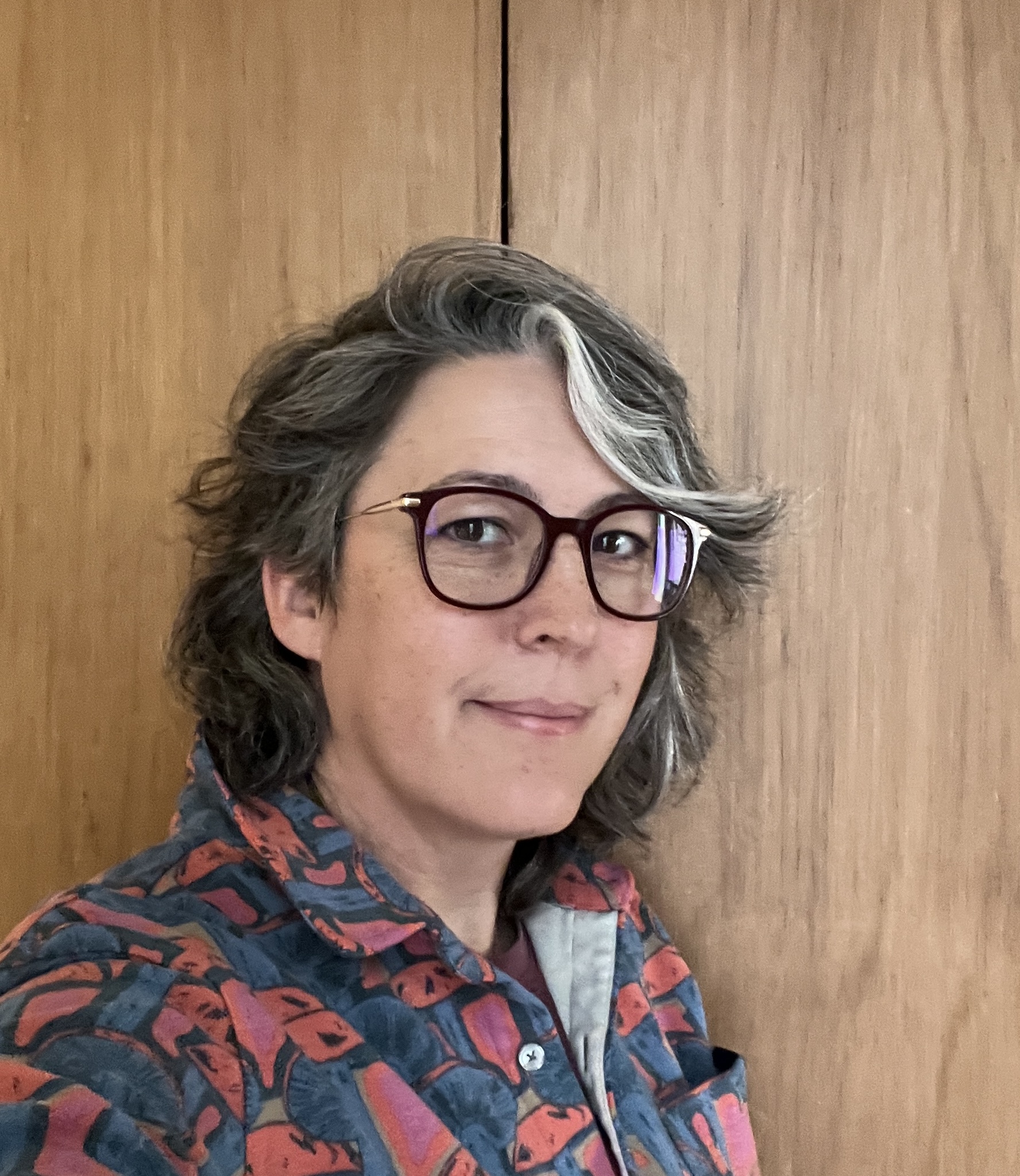
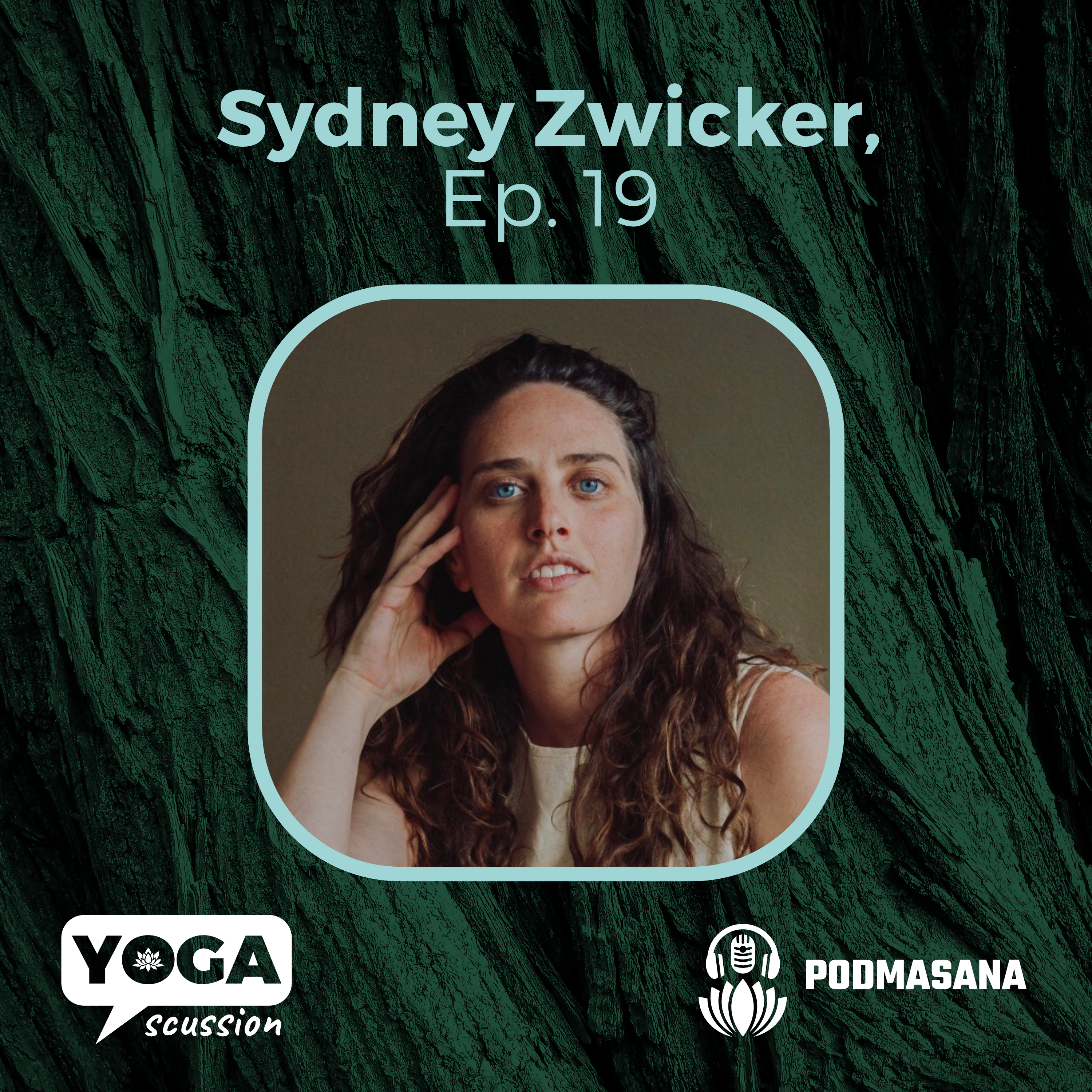
All right, Brendon So we are interviewing, Sydney's wicker. She's a trauma informed pelvis health practitioner and educator. her work bridges nervous system regulation, fascia based, body work and embodies mindfulness and supporting women and cultivating safety awareness and presence through the body. And I think this conversation is going to be a really embodied conversation, but one where we get to dive deep into that.
Brendon Orr (00:24)
For
sure, yeah, I've been looking forward to this one. We'll let her in.
Sydney Zwicker (00:33)
Hello.
Brendon Orr (00:35)
Hello, Sydney.
Gina Clingerman (00:37)
Hi Sydney.
Yeah. ⁓ I just, wow. I just want to say, wow, you are doing some incredible work, for women, for the idea of being embodied. And, I'm just kind of blown away by your repertoire of what you are offering folks and what you've probably explored on your own too. Cause like this work doesn't just come out of a vacuum, right? It's like, it's your story. So I was wondering if you could give like a little introduction of yourself and kind of how you got
where you are now and then we can like dive in.
Sydney Zwicker (01:08)
Yeah. Perfect.
Yeah. So my name is Sydney's Wicker. Today, I'll say I'm a women's pelvic health specialist. I have go by many titles. I've done many a thing. Yeah, my work really centers around shedding the stigma of the female lived experience by weaving in the nervous system, manual therapies and body work. But this kind of place where the female psyche and body come together to find more wholeness for women. And the idea that education is power.
And really allowing that to be a big flow for how women come and find wholeness within themselves. I find so much in the healing world, we focus on what is broken and instead of focusing on what we don't get understand to be able to use that as a source of power and reclamation in the body and in the psyche. And so my background, like many people in the healing world comes from my own journey with it ⁓ from a young age.
integrating my own sexual trauma and kind of did the whole, what is the modality will make me feel whole again and put those pieces back together, what felt broken. And it took me into the psychotherapy world. It took me into body work. It took me into spirituality and really kind of piecing those pieces together over the last, my personal journey has been 20 years, but in the session, the last 12 years as a facilitator, women's health and empowerment is the short version.
Brendon Orr (02:25)
Hmm.
Gina Clingerman (02:27)
Yeah,
I mean, there's just so much there. Like there's so much there that we could talk about.
So I was reading, two things. I was reading on your website, like I just devoured everything on there.
And there was one place where you wrote the fascial network is highly intelligent. And, you wrote it's a mycelial network of the body. I, a, I just love that phrase because I also in a different, in the different parts of my life, I worked with plants and mycelium is just like the most interesting thing. We wouldn't be here if we didn't have mycelium, like the whole world wouldn't exist. but I loved comparing the fascial network to that mycelial network. And, you continue.
on to say like it connects bone to breath, muscle to psyche, blood to memory, emotion to posture, the nervous system to the soul. And I was wondering if you could maybe just give our listeners a little like condensed version of like, what is the fascial network? Why is it like a mycelial network? And like, how do you think it works that, you know, like muscle to psyche?
you know, blood to memory. Like those are really big connections and I 100 % agree with that. But I'm just wondering if you could maybe elucidate that for our listeners.
Sydney Zwicker (03:42)
Yeah, totally.
There I think are many different schools of fascia thought, especially in the last decade, I'd say, or two decades where in the world of the body, we're starting to give more attention to what is fascia. How does it work instead of just this other thing that surrounds muscles or the white stuff? Anyone who has no idea what fascia is, if you think the metaphor people often use is like when you remove the skin on a chicken drumstick and you see that white stuff.
That's kind of what fascia is. And the way that I am more in the school of fascia is everything, and then there's other things. And that idea that fascia not only encompasses around muscle tissues and creates cells, it is our bones, in fact, that all of our, most of our tissue is some form of fascial connection. And in that, it really holds so much in our nervous system by being our nervous system, the physical structure to it.
So myelinated nerves are covered in fascia. And this idea of the really magic of this tissue and this part of our organism is that it's what's called piezoelectric. And so there are electric currents that travel along our fascia. And so in that, similar to if you think of how the messages travel in a mycelium network, right? How do trees talk to each other? Our systems, all of our systems are doing that through fascia because fascia is the key that connects them all, right?
Our vasculature has fascial network to it. Our lymph has fascial network to it. Our endocrine system has that to it. And so if we think of that thread that kind of penetrates everything and the visualization of the mycelium network I think is really beautiful because when you look at dirt, we think it's empty and yet it's so full of aliveness. And we know very little about fascia and so much about fascia and really getting to be with that energy of what happens there and...
One of the powerful things when you do fascial-based body work and start to really look at fascia in more of this holistic sense is we notice how when fascial unwinds happen, so when tissue shifts shape, that the energy and that electricity that's stuck in there is often the body guarding from an emotional charge. And if we think of emotions as energy and motion, that connection there too.
how a fascial shift can change our heartbeat. It can change the cranial rhythm. It can change our mental state. You know, there are studies going on about different types of depression and mental illness about fascial adhesions actually in the brain. And this idea that the difference between depression and schizophrenia is just where that adhesion is on the brain and the pressure that it incites by being stuck there. And so there's...
Brendon Orr (06:17)
Hmm.
Sydney Zwicker (06:18)
so much to get to be with in fascia as this really multifaceted part of our system, of our aliveness, and to connect with it both as physiology but also as spirituality and in that getting to really see the woven pieces of it's not just mind, body, spirit, but it's all one network, one tapestry, and we're just, to understand the wholeness, we have to take it into pieces versus it being pieces that we put together to find wholeness, if that makes sense?
Gina Clingerman (06:42)
Hmm.
Brendon Orr (06:45)
Hmm.
Gina Clingerman (06:46)
Yeah.
Brendon Orr (06:46)
Yeah. And it's also a really fun word to say, right? Fascia. No, just a moment of levity there, you know, think, picking up on what you were saying, Sydney, I think, and maybe other practitioners had a similar experience at one point in time. You know, I think the first time I visually understood fascia was actually seeing a human cadaver at the Denver History Museum. You're in Denver as we understand it.
Sydney Zwicker (06:50)
Yeah. Yeah.
Gina Clingerman (06:50)
You
Brendon Orr (07:15)
and that kind of really put it in place for me. Like this was this essentially web of tissue, kind of like around everything. And then in the, in the actual yoga practice, being able to almost visualize and feel one's awareness moving through this visualization of a web. And at that point, I really began to understand like energetically what is actually happening here.
So with some of your work, I'm curious, Sydney, do you use visualizations or are you speaking to clients or anyone about specifically the fascia what relationship they should have with it?
Sydney Zwicker (07:55)
Yeah, totally. So the body work I offer is women's whole body work, but in particular, hands-on, hands-in, pelvic, vulva vaginal work. And often we're using visualization as a way to move through the different parts of ourselves. Sometimes we're visualizing more like anatomy and more kind of direct approach. Sometimes it's using kind of journey meditation or visualizations or memory.
This idea that the tension patterns are often held in our fascia, right? Fascia creates our posture, comes from the school of Rolfing. And so using that to start to give an invitation to the body that something might actually be different, that maybe the message of gripping or tension or posture is for a group of information of stress, right, from a different time. I often say like,
you know, you're trying to merge into traffic and someone cuts you off, you squeeze your butthole really tight and you brace yourself in the car. That might have happened two weeks ago and yet if you haven't had the time to be like, I'm safe, all those pieces, the tissues, your body might be still holding that tension pattern even if your mind and psyche is in like two weeks later. And so that idea of using visualization, breath, connection to body are proprioception and those tools of both proprioception. So.
what's outside of us and interoception, what's happening inside of us, to be able to actually chemically change what's happening in our tissues and the fascia is often what shifts. In a yoga practice, yin yoga uses a lot of fascial-based methodology, that idea of like there's a moment in like, you know, minute two of the hold where you're like, I'm no longer dying and things slightly soften and you really find the depth and that kind of zen state in a pose.
is that's really what's happening is the fascia through stretch and torsion often is recalibrating and it's changing its state of being, a thing called tensegrity. ⁓ And it starts to, the fascia actually starts to melt, becomes more liquid, it hydrates differently to create that space of the flexibility there. And the same thing happens when you're doing bodywork. We're moving really slow with really intuitive touch and really intentional touch.
And in that, through breath and then visualization, we're adding in different systems to be able to shift our full body and where and how our body sits in time and space.
Gina Clingerman (10:16)
I'm curious if you, when you're working with clients like on long-term, you recommend like certain yoga practices for them? Like, I mean, a lot of your work is very mindfulness based. So I'm wondering if it's like, hey,
we're going to be doing this work for a long time. Can you make it to a yin yoga class once a week for, you know, the duration of when we're working together or if you offer other things like, clearly you do breath work, but like, is there other yogic things where you're like, Hey, try this practice for awhile. And like, let's see how that kind of helps the ecosystem.
Sydney Zwicker (10:51)
Yeah, I think it really depends on the person. You know, I think Yen Yoga is really powerful, or Yoga Nidra is really powerful too for nervous system work. I think many, especially women, have actually hypermobility, and so I often recommend them to strength train and then go back to their asana practice, or do both at the same time, or take it back to like the baseline. Can you, in a hot yoga class, do the base pose and hold it with deep structure, with solidity, and feel yourself?
in space versus like having to do a more advanced pose. I think that's really important, especially with root medicine, right? We're really trying to feel ourselves in our pelvis, feel ourselves anchored here and now. And I think a lot of like the very advanced yoginis that I work with, you know, have a lot of capacity to put themselves into these beautiful forms that take a lot of presence. And
noticing can we bring it back to simplicity is a big piece that I work with clients because many of my clients have a lot of hypermobility and yoga actually creates more laxity in their tissues, especially from kind of the arms out. And so how do we create more stability in their spine by again, yin yoga, yoga nidra, more for the nervous system and that anchoring into feeling really solid and then from there growing the poses and using their asana.
in that way, I think is really powerful from like a root up perspective.
Gina Clingerman (12:22)
Beautiful answer. My goodness. I had a thought come up when you were saying that when you were talking about hyper mobility. And I was also thinking just, I mean, clearly I'm a woman. So from a woman's perspective, it's like, wow, I wonder if this is me just musing. If our hyper mobility stems from this idea that like, we're constantly stretching ourselves through our lives to like meet all of these needs that, you know, are not ours.
And my yoga practice personally changed when I stopped trying to.
get the furthest stretch, right? Like when I stopped going to the absolute edge and I started working on really slow transitions and moving from the core outward, my practice changed immensely. And I just, my mind just created a connection between those two things, how we're like constantly as women, like contorting ourselves to take care of the world and everyone around us. But then like, we might bring that into our yoga practice as well. I don't know if you guys have thoughts on that, but it just.
Brendon Orr (13:20)
Hmm.
Gina Clingerman (13:21)
It was like a little light bulb moment for me.
Sydney Zwicker (13:23)
Yeah, and it's actually a natural part of female physiology to be more flexible in a spiritual sense. So estrogen, what it does in our fascial network is it actually does make us more mobile. It makes us more able to bend. If you think of on a spiritual rite of passage, as we talk a lot about women and people pleasing, right, that contorting yourself to fit into the group, like our evolutionary biology made us as women to
Brendon Orr (13:23)
You
Sydney Zwicker (13:53)
be able to be more adaptable than men. Like, you know, we often joke like, you know, the frontal cortex in males doesn't form until they're 25 because back when biology was doing its thing, like they had to fight mammoths and that was crazy. You can't have like, you know, forethought in when you're doing that, whereas the women would gather and make sure that we had to stay together in the tribe. The rites of passage, right? If you think when does people pleasing often come on culturally, it...
For little girls, it happens around the transition of puberty. They start to have an estrogen spike, and then all of sudden, we start to have more of these pleasing, contorting tendencies. Not only culturally, but that hormone in particular allows for that space. As a mother, you have to think about something so deeply outside of yourself. There is a level of giving, and I think there's a natural balance that we don't have in our culture for this. But then we think of perimenopause, or the transition out where testosterone becomes the leading hormone in the female system.
Gina Clingerman (14:42)
Mm-hmm.
Sydney Zwicker (14:49)
As we think of, know, perimenopausal women are bitches or they have no tolerance, right? We lose our tolerance for the other. Exactly. It's because we have a dip in estrogen and that estrogen is the hormone of appeasement, which is a really beautiful tactic for tribal or like pack animals. ⁓ And that idea of what that does to our tissues is creates more mobility. There is more mobility in our tissues and
Gina Clingerman (15:06)
Yeah, cohesion.
Sydney Zwicker (15:14)
The idea that there's nothing wrong with it is not a bad thing, but how do we work with it differently, right? Yoga was created for the male body. There are lot of adaptations in the evolution of yoga and how it's integrated into the Western world, where we adapt it to the female body. But even similar to bodywork, massage therapy, physical therapy, anatomy books, they're all male bodies. And your basic thought process is that the female is just a smaller
Gina Clingerman (15:35)
Yes.
Sydney Zwicker (15:40)
more delicate version of the male body, but it's completely different. Our physiology does completely different things. Even if the shapes and forms of our bodies look the same, treating them as the same doesn't do it justice. And so how do we, you know, how do we create different ways of navigating not only our yoga practice, but the way we walk in the world, the way we interact in the world, the way we have a relationship with our body is really important to remember.
that the context of how most of us learn these things is through the male body lens, which is not always adaptable for the female anatomy and system.
Gina Clingerman (16:14)
Mm-hmm.
Brendon Orr (16:16)
Yeah, it seems like culture maybe influences this a little bit, right? Like, you know, there's Indian female practitioners, who I've met who really use a physical yoga practice to balance what they may be going on or going through with their cycle. Right. And so I think
Sydney Zwicker (16:38)
Yeah.
Brendon Orr (16:40)
I don't know if it's as simple as saying that, you know, the Hatha yoga system was just developed for men, but it does come from like a culture where, you know, if you think the patriarchy is bad in any Western country, you should visit a few, Eastern cultures, you know, but I just think it's interesting to just think about how we can apply, even though yoga at its core at its beginning, wasn't really about health.
its evolution has brought in this health aspect of it, right? And how that can be applied in all sorts of interesting ways. And it seems like you, have really found, I don't know if it's best to call it a lane, but you found like something that really works and connects with a lot of people in terms of managing like certain aspects of their own health. Like on a personal level, does this come? I think you've maybe touched on a little bit, but does it come from a personal experience or?
What is it about with this specific focus that you've found really connects with people or that you think is really ringing true to you?
Sydney Zwicker (17:42)
Yeah, it definitely comes from a personal experience, right? I think a lot of my work really resonates with women because we're moving through a lot of similar things. I think for many women in the women's health world, when something happens in your body, most people are like, I've never heard anyone who's ever had this before. whether it's in the medical system, Like endometriosis, PCOS, a lot of pelvic pain, right? We're told, it's normal to have pain when you bleed.
which is not normal, it's just very common. And so there's a level of so much shame and taboo and this only doesn't only apply to women. You know, I always like to say like I specialize in women's health, but men are super important too. They also have pelvis is that need need holding and men are not the bad guys, right? In patriarchy and Hatha yoga is not the bad guy. You know, all those pieces of it's there's a both and right of
⁓ And that idea I think women in particular resonate with the way that I hold this work is, yeah, I really live what I teach. You there's a way which we can, especially in social media these days, like talk about the things that are good for you. And it's really, I think it's a human experience, right? We're all humans and how do we give voice to the female human experience and getting to navigate that and understanding when we keep hitting a brick wall, especially for women, I think.
Brendon Orr (18:52)
Mm-hmm.
Sydney Zwicker (18:59)
is that it's like to remember that we live in systems that were not made for us and not as a way to like We don't need to tear down the patriarchy Is it a healthy system for women? No, like if you think of every single human on this planet was made inside of a woman's body and yet we deeply disrespect the female body and there's so much fear of the female body and sexuality and expression like right every human was made from some sort of sexual act and yet we have so much fear around
Gina Clingerman (19:03)
Hmm.
Sydney Zwicker (19:27)
the intimacy of sex. And how do we start to have these conversations to normalize them and to find out what is your truth? Because definitely my truth is not the same for everyone else. But to start to speak different truths in a space where it allows for others to be like, ⁓ this resonates, this resonates, and to really bring in their whole healing truth for themselves, whether it's their yoga practice, whether it's the way they relate to their body, whether it's the way they relate to sex and intimacy, all of those pieces, think.
is that we're so afraid, or there's a deep fear in our culture. I think a root embodied woman is the most terrifying thing to the patriarchy. A sexually liberated woman is terrifying to the patriarchy. And the systems that are here, so for both men and women, right? And women often, I think, find themselves as they start to live in their own expression of truth, whether that means in their yoga practice or...
in the way they walk the world, what their career is, they often find themselves more exhausted because it's swimming upstream of the normalcy. And in that, my big desire is to speak that into the field, to speak that so that there's less of that frustration of, I broken because I'm having a hard time struggling? mean, all humans, right? We live in a fast-paced, urgent world. You don't respond to an email in two days. Someone thinks you're dead or.
Brendon Orr (20:41)
Mm.
Sydney Zwicker (20:46)
you're bad at professionally and this, that level of stress is not normal for how our systems are built. We've kind of evolved culturally faster than our bodies have evolved and to understand that, just to have that piece of information to reorient, I think really helps bring more peace to the world and peace within ourselves. And when we have peace within ourselves, most of us tend to not be violent towards others. And I think that's the bigger, the bigger field here, right? That then.
brings us back to the spiritual practices of how do we remember that we're living in a pretty upside down world, as beautiful as it is. And all of those pieces we have together, and I think that's why this really resonates and it resonates to talk about this, is because it gives that like exhale of understanding and acceptance to others and really gives them that idea of bringing their power back versus, you there are many people in my field who
Like there's a right and a wrong way. There's a yes and a no, right? Even in a yoga practice, right? You have teachers who are like, you're either doing it right, your hips have to be here or not. And instead of having this both and of like, this is the intentionality, this is the why of the intentionality. And then how do we be with what is true in your body today? And that idea for me is really so much of the yogic practice is to what feels true today, how I'm going to show up today. It's a practice, not a perfect, right? Is the, that's easy to
Gina Clingerman (22:05)
Yeah.
Brendon Orr (22:07)
Yeah, yeah, yeah.
Gina Clingerman (22:08)
point out like some of what you said is so true, like men are not the bad guys. and that the patriarchy, the idea of patriarchy is just as harmful to men as it is to women. I think the harm to women is more, visible because, you know, we get paid less. We,
Sydney Zwicker (22:20)
Totally.
Gina Clingerman (22:28)
are culturally expected to do more. Free labor, know, like unpaid labor, that's a real thing that happens. Women have less leisure time than men because we're doing unpaid labor all the time.
That doesn't mean that men are bad or evil or villains. It's just like the system was created to benefit the male outwardly, but the system was created to suppress and hurt the male more inwardly. And so like men are suffering in ways that women...
We still suffer in those ways, but maybe not so much. have more social networks than men do, that are like culturally accepted. Like it's, you know, we're allowed to have friends and men are allowed to have these like very surface relationships where they can't talk about that really deep stuff. And so for listeners, I just want to say like, this isn't like burn the patriarchy down though. That would be nice for all of us, right? Not just for women, for men too, because there's a lot of liberation for men that I think.
Brendon Orr (23:18)
Ha ha ha.
Gina Clingerman (23:26)
feels terrifying for men because it's like, my gosh, my whole life I've been conditioned to not be able to feel my emotions except for anger, to not have close connections with men, to only have close connections with women and only women that are mostly sexually available to me or my mother, weird stuff like that. And it's like this system.
It's running its course, I think, for us as a species. Like it's not working anymore for men either. So I just want to make some of those things because I don't want listeners to feel like, you know, I'm a guy, they think I'm a villain. You're not a villain. You're just as much a victim of the system as anybody else in the system.
Brendon Orr (24:08)
Well,
Sydney Zwicker (24:09)
and I'd say to build off of that too, right? Of when we act in defense, right? When we protect ourselves in a system that is out to not support us. It's just as much women as it is men that enacting that violence, right? And it's ⁓ so much of the actions are in defense of trying to survive in a system that supports no human, men or women.
Gina Clingerman (24:18)
Mm-hmm. Yes.
Yes, I love that. It doesn't support any human. Yeah, exactly.
Brendon Orr (24:33)
Yeah.
well, just connecting it to yoga, right? Because not only is this a cultural issue, it's an issue of the time that we've all been born into, right? On that continuum thread. you know, Gina knows we've talked about it on previous yoga scussions but, you know, I've been in the yoga space now for going on like 12 years and it hasn't gotten any more common to see male teachers. Right. And so.
Gina Clingerman (24:40)
Yes.
Brendon Orr (25:01)
I think that is also interesting. know, Gina and I have talked about, this seems to be a space or a field of vocation. You could use all sorts of different types of terms that has been maybe claimed, by women and seeing on that energetic and time continuum. Well, this was exclusionary to women at one point in time, or just exclusive to men is what I mean to say. And so.
It makes sense that now maybe the inverse in modern times is somewhat true. And trying to practice being a conscious male, I think that informs how I approach every time I enter a public yoga space. It informs how I move my body. It informs, if I give any type of adjustments, what type of adjustments I give.
But I'm wondering if we can maybe shift the conversation to, I mean, what does that look like for both, you know, men and women who are trying to just be conscious? I mean, gender is an issue, but we're also just trying to like show up and try to, I think, cultivate experiences that maybe, and work with me here, but maybe transcend gender to a certain degree. How can we hold space for both of those things,
Sydney Zwicker (26:20)
Totally. I mean, I think the biggest thing is that we have lost the skill of communication. ⁓ And that for me is something, you know, when I don't just teach women's work, I often, you know, I have friends who we get together and we talk about the men are also not okay, right? ⁓ And that big piece of it is we're talking in the world of sexuality, this idea that there are multiple types of sexual transgressions. You have sexual violence, you have sexual misconduct, and you have sexual miscommunication.
Gina Clingerman (26:25)
you
Brendon Orr (26:25)
Mmm.
Gina Clingerman (26:34)
Yeah.
Sydney Zwicker (26:49)
And that so many of us who have had a sexual experience that has ended in some form of, we'll call it trauma, just to keep it simple, often comes from sexual miscommunication, right? That, especially since me too, men are afraid. They're afraid to engage. There is so much icky that has happened in the world, and I'm not saying that that is not true in any way.
But this idea of how do we start to communicate about what's happening when a rupture happens and the small ruptures happen. Can we talk about this with an open heart? Can we share a pain point without assuming the other person did it in violence? The difference between the violence, the misconduct, and miscommunication is intention, but also is skill set. There's a lot of.
sexual miscommunication that can happen in, Maybe you are drinking a little bit and you and your partner have sex and it like, you weren't ready or it didn't feel good but you didn't know how to say so or you went into appeasement because that's what the nervous system can do. Is that a violation? Yes, did your body feel violated? And how do we have a conversation the next day afterwards? Like, hey, when you did this thing, I didn't actually really like it. I didn't know how to say it in the moment.
Can we have that conversation and in there build repair and trust and educate our partners, right? It can be on both sides for both men and women where sexual miscommunication can happen. I thought you said yes, right? We have this whole thing around even sex where like talking is like, we're gonna ruin the mood. If I ask, right? Like to asking someone for a condom beforehand is like, what all those pieces and the stories we build up to protect ourselves from being, from shame.
⁓ create so much of this miscommunication. And whether that is in the sexual realm or in a yoga class where it's like the beginning of a class, I will be doing adjustments. We have a little thing like when everyone's eyes are closed, raise your hand if you don't want to be touched today. I will assume if you don't raise your hand that you're okay being adjusted. If at any point it doesn't feel good, it is your responsibility to say no. And those pieces of like taking some accountability, there's a level of which I think
There are so many things in our culture and nervous system that make it so that sometimes we can't speak up. And how do we go back and forth of being able to create a space that is safe for both touchers and touchies, we'll call it, to be able to interact. And the accountability on both sides of like, if something doesn't feel good, please speak up. One of my teachers once said is like, safety is not something I can create. Like a safe space doesn't exist.
but I can create an environment of which you can cultivate safety within yourself. And really giving that power back to someone that they are the creator of their safe space. I am here to create an environment where that can be cultivated or not. Really allows us to stop having this whole, have to make it good for me. And that I think a big movement, whether around gender or anything else, the obligation of the person in power to do everything.
Gina Clingerman (29:24)
Hmm.
Sydney Zwicker (29:45)
versus the power dynamic of I have the power, I create an opening for which you, or I give you back your power by giving you sovereignty, but that this whole thing of really good guy and bad guy, person in power, person not in power, there's so much more nuance, and we create this very un-nuanced space where someone has to be doing the wrong thing, if that makes sense.
Gina Clingerman (30:08)
Yeah. It's like co-creating, co-creating safety, you know? And I think listening to you, like, wow, that was all a lot. And what I was thinking was, we have so many systems in place that don't teach us how to communicate. And we're having these ideas now. We're getting the language to talk about it, but we maybe don't have the social training, right?
Brendon Orr (30:08)
Hmm.
Gina Clingerman (30:32)
how many people have had a conversation about safety and touch? I mean, like we have the idea of consent, but how do you teach consent to someone who doesn't have communication skills? Like even myself, I grew up in the eighties with limited language as an adult, learning emotional intelligence and having language to speak about it and explore it is like mind blowing to me, you know, like, and I look at my parents' generation and it's like,
They're like completely, not everyone in that generation is closed off to these ideas, but for them it's like, there's this language that exists now, but they're like, I can't even comprehend how to say those kinds of words because the teaching and the practice of the social practice of feeling safe enough to use the language, feeling safe enough, you know, like there's.
It's like a bridge and it's like, here's good, healthy communication on one side and here's like non-healthy communication. And like the pieces in between, some of them are language, some of them are just practicing these social skills. Some of these are like feeling sovereignty, like feeling like you have the ability to say what you need to. You're so right. It's so nuanced. It's so much more complex, I feel like is a...
a good word to use, also kind of a hard word to use. Cause I think sometimes when we use the word complex, it's like, well, I can't understand it. So I won't do it. But it's like, need social training. You know, we need to practice how to communicate well and how to feel, you know, how to co-create safety so that we can do that.
Brendon Orr (32:06)
Hmm.
Sydney Zwicker (32:06)
Yeah, and I think a great way to
bring this back to yoga, is no one knew what tree pose was, or even using the Sanskrit names for each pose. You went to enough yoga classes, and then when they said move into tree pose, you're like, I know where this is going, right? It was a practice of doing enough yoga classes where you understood what each asana was. And I think that's the part is, right? We're practicing the social pieces, I think, in particular with touch.
is that we're a deeply touch-starved culture and the more we're on the internet, the less we're actually experiencing intimacy. We feel connected because like it's like almost there, right? We're almost touching each other. But that idea of we have no skills for navigating intimacy and that's just not like physical or sexual intimacy, but connection, presence with someone, right? We've highly cultivated
ways of being present with self, which is really important, but like it's taken away from how to be present with another person, right? Are you feeling a lack of safety in your body because you feel uncomfortable and awkward and shame around being in a group space? Or is it because someone there is making you actively uncomfortable, right? And that felt sensation probably is the same within your body, but is there awareness around that, right? Like as a woman in a yoga class, when there are men in the room, right? Like there's a layer which...
When I was in my 20s, like, yeah, felt like when I was single, I was like, ⁓ this is really cool. Someone who has something interesting. Like, there's a little bit of that charge of like, there's a cute guy in the class. I'm going to practice differently than when there's not a cute guy in the class. Right? Is that the man taking away from my experience? If there was maybe not a cute guy, but someone who had like violent energy, like, is that affecting me or is it because it's my own story of I don't feel actually safe interacting with men?
And again, that accountability piece of understanding context. And in particular, I think with touch is a really great thing to bring up, Brendon, is that we're so touch starved that any type of touch and presence we see as sexual, right? If someone, something I often say when women come to me and like you're touching vulvas and vaginas, like how is this not sexual? And I share like, okay, if you are co-working with a friend at a cafe and you're huddled over your computer like a gremlin,
and a friend comes up and puts their hand behind your shoulder or squeezes your shoulders and like tells you to take a breath. You're like, oh, I feel so good. Thank you. I didn't realize how into my computer I got. If your first thought is not my friend wants to fuck me. But if you are doing this work in the genital area, right? Like I'm just gently cupping your vulva and we're breathing together and there's presence here. And I'm showing you that I'm here with you as you experience your body.
There can be a fear of like, okay, what's the story I want to project onto? presence and touch together and it doesn't have to happen in the genitals but it can happen like anywhere in the body right if as a teacher you come and you hold someone's Sacrum and just have them breathe into their core a little bit more or like adjust their hips ever so slightly that's close enough to their my god, I feel this person present with me and my body and I haven't been touched in this way before like
Gina Clingerman (34:52)
and
Ahem.
Sydney Zwicker (35:15)
you can have a lot of story that's created there. And so the communication, the starting to normalize, bringing our hands to our own bodies, understanding where does the exhale really happen? And in that exhale doesn't have to be the story of the sexual. But again, conversations I think are the big piece of normalizing how famished we are for intimacy and connection via our skin.
Brendon Orr (35:38)
Yeah. And I agree with ⁓ almost everything you said, Sydney, ⁓ because like, you can only have these authentic conversations from a place of awareness, right? Which yoga practice helps like to build, you know, I really love those examples that you were talking about how, if a male was in a class, is that an attack on me or whatever? Like a lot of this, of course, is like coming from like an ego space, but it's also like a very real space. And I just,
really post-MeToo, post-COVID, this whole topic of physical adjustments and where it is now. don't even think anyone could say with 100 % certainty that this is where that is within the yoga teaching or public practicing space right now. I don't think anyone knows. It still seems like it's a very muddy, water. And there's these lack of consent moments that...
You know, I can speak to being experienced on both sides and sometimes how that isn't really like an equal thing, right? Like for, for example, I've had female teachers lay on me without any hint that that was, that that was coming. And if I contrast that with, you know, as a male teacher, if I were to lay on, a female student or client.
I think the chances of that being received a certain way, and it is what it is in terms of just the reality of it, right? But how can we, again, circling back to that authenticity coming from a place of awareness, like for me as a teacher, this is why I'm trying to be very respectful of personal space, you know, and I usually don't give physical adjustments unless I've been in a class with someone a few times and there's been a certain like rapport established.
But I've also been in situations where I've only taken like one, maybe two classes. then some, what I would describe as a very obvious, I'm not going to use the term aggressive, but just a very, you know, noticeable physical adjustment takes place absent consent. how do, how do we navigate this as yoga teachers and, people in this space, Sydney.
Sydney Zwicker (37:48)
Yeah, I mean, a lot of what we're talking about right is power dynamics, right? In that world. And I do think as a teacher, as a leader is to set the container, right? And so at the beginning of your class, like if I was teaching a class, I'd be, I'm a teacher who really loves the body and loves to adjust because of that. And I want to support you and in my own practice have really been able to feel things differently through adjustments. You know, I'm gonna have us.
In our first five minutes, I'll invite us, anyone to raise their hand who does not want an adjustment and know that you're allowed to change at any point in time. And usually before I touch someone's body, ask, can I touch you? Or if you're kind of coming around and it's, know, Shavasana and I'm doing little like cranial adjustments, be like, I'm going to be coming around to do any cranial adjustments. If you don't want anyone, place a hand on your belly and I'll know to pass you by. And to keep coming back and giving people options for consent. Right? It's that story of
this is annoying. I'm doing it over and over again. You're going to have people who hate you for asking consent all the time. Because like I said, yes once, and I mean it. And you'll know those people, right? There's a point of which you've built a rapport where they're like, hey, I'm a yes unless I tell you no. And I trust myself to tell you no. Great. You've known that student for two years. You know what they like and what don't like. But the difference of as the leader, as the spaceholder, and in some ways to protect yourself, how do you
invite in what your intention and your why is and then let people choose. I think a big, for me is there's again nuance to this, but I do think we babysit too much and see people as incapable of giving consent. And so we like, what's that fine line of setting the space of your why and your intentionality and let that be felt, right? Like my intention for you as a, know, again, this is a cute male teacher who's coming to do adjustments is my intention.
to flirt with you, no, my intention is to do this, you know, I really love supporting the body, I'm a physical therapist, that's how I see it, this is how I like to teach classes, if it doesn't resonate with you, please let me know. You know, know I've been in yoga studios where they have like a little disc at your mat and it's like yes or no for consent pieces and you can flip it over as you want for different things. Like there's so many different ways of which we get to make this playful and not so serious while still holding that line and I think
Brendon Orr (40:03)
you
Sydney Zwicker (40:06)
The confidence, right, as a leader, the confidence to say, is what I'm doing, this is why, please let me know if that doesn't work for you. And if you're feeling something funky for someone, just like, don't give them an adjustment, right? Like when I'm doing bodywork, right, trust your intuition, right? When I'm doing bodywork, I tell clients like, like doing internal touch work is never a guarantee. If my body's saying no, or I'm feeling that even a maybe, we sit and we wait and we get curious. I don't bulldoze that.
Gina Clingerman (40:16)
Yeah, trust your intuition.
Sydney Zwicker (40:31)
for whatever reason, even if I don't have the facts. And really trusting that piece of you don't owe touch to anyone, you don't owe anyone an adjustment. And if that's the kind of leadership you want to hold in your practice and how you want to guide people into their bodies, great. I've seen yoga studios that say like adjustment class, like this teacher does adjustments, little things like that. There's so many ways at which to give people lots of ways to be empowered in their consent versus disempowered. And really, again, allowing
Brendon Orr (40:57)
Yeah.
Sydney Zwicker (41:00)
allowing some of that responsibility to be to the other person. I don't think it's our full responsibility to babysit someone's experience, just to open the door for them to choose to walk in and walk out. if they have an issue, like to be able to sit with that when they're like, hey, you adjusted me and it didn't feel good or it it felt inappropriate, can you receive that feedback lovingly, even if that wasn't your intention and not get defensive and
validate it when that comes in. Yeah, and I think that is the courageous acts of evolutionary conversation is the next steps to all of humanity, whether it's in a yoga class or somewhere else. It's like, can we build a tolerance for constructive feedback of someone saying, hey, you breached my boundary? Or I actually breached my own boundary, but you were the culprit of that because I didn't know until it happened. And can we be in the repair?
Brendon Orr (41:37)
Yeah.
Sydney Zwicker (41:54)
I really say that, you know, it doesn't, when I talk to like mothers and things like that, when we're working on how, you know, am I being a bad mom? Like all these things, how am I traumatizing my kids? It's like, have as many ruptures as you need to have with your kids. It's about the repair. It's the understanding after something confusing happens that unwinds the trauma. It's not what happened to you, but what happens inside of you and what happens inside of you changes when we have understanding. And so that repair process and building our capacity,
to be in repair, whether the person saying, ouch, you stepped on my foot, or the person receiving the ouch and being like, ⁓ I didn't know that was a foot, not a table. That's more of a metaphor. But all of those pieces of building that capacity and tool set, I'd say, is the power in all of this.
Brendon Orr (42:32)
Yeah.
I'm wondering, Sydney, like with the clients that you're seeing, what's the common thread for blockers, for people trying to get to a certain level of awareness or maybe the reason for some of the healing being needed? Like, is there any common threads with what you're seeing in your client base these days?
Sydney Zwicker (42:58)
Totally. I always say that a woman comes to work with me for one of three main reasons. One is the physical. So something in her physiology is happening, painful periods, pain with sex, incontinence, usually something pelvic related and that's why they're like, go see this pelvic specialist. The second piece is the emotional somatic, so trauma, sexual trauma, religious trauma. Chronic anxiety is a big piece that I see of like hypervigilance. And the third piece is spiritual.
Usually I'm gonna go see do womb work or women's work because I want to connect more to my feminine body, my sexuality, something along those lines. And this work really weaves together all three of those threads. But I'd say most women find a pain point in one of those three pieces where it's something has to change. I'm willing to invest time, financial resource, emotional resource, right? We have very busy lives. We do a lot of unpaid labor.
And so making the space to really allow yourself to receive holding and nourishment is a deep resource that many of us have stories that we don't have to give. And so I find like all three of those really what bring women into me. And yes, in my practice, every season there'll be like a theme. It's the springtime. I often have a lot of fertility things coming up right now. That's a theme I've had, you know.
There was a year where I think in the summer I had like four or five women, 65 plus, trying to have their first orgasm. And so we were working with presence and safety and feeling in their body. You know, I deal a lot with endometriosis and PCOS and pain with sex, vulvodynia, which is pain in the vulva. So like pain in the pelvic region and wanting things to be different and what we do physiologically as well as the stories of what's happening there. But yeah, so there's like so many different ways that I work with women.
in this work and to bring together the fold of like sometimes the stuckness is not because of a physical thing it's the emotional piece that's creating a tension pattern in the fascia and like when we can process and understand that like it's the wildest thing that I've seen for a decade now but like a woman either visually in her head or like says out loud something that happened to her and all of a sudden that that piece of scar tissue just literally
like unwinds and shifts, a tailbone can move from being completely to the left side of the pelvis to midline again. Not from me doing any manual adjustment, but like holding that tissue with presence and her sharing, often having an emotional release. Like it's a very psychedelic work, especially once you work with the vulva in particular and vagina internally. know, many people have compared it to like,
Gina Clingerman (45:08)
No.
Sydney Zwicker (45:31)
ayahuasca but in slow-mo where they can like really be with all of the information and not be overwhelmed. So yeah, it's, there's a lot of different ways to come with this work.
Brendon Orr (45:40)
Yeah, and you were touching on it a bit. was just going to ask you, ⁓ if you've had these really powerful, positive shifts, you know, with clients where they were really getting in touch with themselves, maybe for the first time, like on an energetic level, can you maybe just speak a little bit about like maybe what you felt, you know, in terms of, you know, I don't want to use the term validated, but just being like grateful, for being present to seeing a shift like that happen. Cause it relates to
as people who choose to be in the yoga teaching space for a long period of time, I think that's, if you want to call it the candy or the sweetness, like when we see these positive moments happen in people in terms of however they manifest, can you maybe speak to one of these Sydney?
Sydney Zwicker (46:19)
Yeah, I love when Gina was talking about getting core oriented versus like being like in your core with your practice and how that shifted so much for you in your life. I'd say the same thing happens for a woman when we can come deep into our root For many of my clients, especially from the yoga world, like the root and the pelvis is the last frontier, right? They've come out of the mind and into the body and into the heart space. They can be really deep in their heart and connection. And then it's like, ⁓ this is the last frontier of like really being in my route.
is, again, it can be equally terrifying as it is empowering. And to find women in their root, I don't really promise anything when a woman comes to work with me. It's a collaboration, and I've seen miracles happen in one session. And some women, we have slowly chipped away at long generational things through their body. But the biggest thing that comes in very few sessions is understanding your hell in the yes and your F no.
Like really being able to like feel, this is mine, this is not mine. Doesn't mean you listen to it. I still to this day know what my hell yes and fuck no is. And sometimes like, how much the no, but I'm going to do it anyway for the plot. Right? There's that part to ourselves. But that big intuitive, like the true animal body voice, root voice is so much, it's very black and white. And like.
Gina Clingerman (47:31)
Peace.
Sydney Zwicker (47:40)
speaking, like when I listen just to my root, it's not always my most loving steps, because it doesn't take in context. But that being able to feel yourself here, being able to have boundaries, move into what does it feel like in my spinal system to not just have boundaries as rigid, like I'm a wall, but also not be so mobile that you can't say no to things and really understand that part of yourself is so powerful. I've been blessed to hold them in for
I mean, eight years now in this work and seen huge transformations, whether it's in lifestyle. You know, I've worked with a couple of singers and like writers block and all of a sudden they're making prolific albums. I've seen the same of like people changing careers. Again, like I have held a woman through like between one and two sessions who had never experienced an orgasm and had three babies and was married 50 years. Like she came back after a couple of sessions like
I think I had an orgasm. Like it was this, this energy. Like I finally have been able to be so present in my body. I could feel pleasure in a different way. and so though I don't do pleasure work with her, like being able to take the yes and no, being able to tolerate feeling sensation all the way down into her root, into the most sacred part of her body, and then be able to transform that into her sexual practice. Like all of these things feel like huge wins and like,
Again, it's a practice of presence. There's so many different ways to have a relationship with your pelvis, especially if your intention is more around sexuality. And I really say my lane of this work is this is non-sexual, non-agended touch. that especially, think, for women more so than men, but that could probably be a whole other podcast if we talk about men in the pelvis, is that this first step of like, can you feel safe in your body, but in particular in this part of the body?
Brendon Orr (49:23)
You
Gina Clingerman (49:24)
you
Sydney Zwicker (49:32)
is about can you tolerate sensation? And that's both contractive and expansive, right? Before you have a pleasure practice, you have to be able to tolerate like a stinging, an ouchy, a numbness, and that like the full spectrum is how we get to tolerate the fullness of life. We don't just get the good stuff without the bad stuff. Like it's dulled. And that bringing that into the body is so powerful. And that's really my lane is can you tolerate the aliveness through your root?
And from there, you get to build whatever sexuality, feminine expression looks like to you. I'm not going to tell you what the best version of that is. And to be able to build more of what you want and be able to tolerate when the things you don't want show up. And that really, for me, is the power of the root ⁓ as the foundation for the rest of us.
Gina Clingerman (50:19)
I am reading this book right now. And the part of the book that I've gotten to is talking about the chakra system and how, you know, and, the part of that book that I'm in is where they're talking about some teachers. This is in a very old context or like, okay, you work through the chakra system and then you get, you know, to the seventh chakra and you're just enlightened and you don't have a body anymore.
But then this, it's talking about Kundalini. And when you were talking, I just was having all these thoughts about Kundalini, how you like work from the base up. And I feel kind of like as modern people, we've sort of skipped all that and went right into intellectualizing and like spirituality. And we're like, we don't want to have a body. I don't have a body. It's too complicated. I don't want to feel all that stuff. But as you were talking, it was like, wow.
we almost have to go backwards. We almost have to work our way out of the spirituality, out of the head, back into the body and slowly work our way down to the root because as you were talking, I was like, yeah, I am way more comfortable with discomfort and pain than I am pleasure. I've had a lot of physical pain in my body. I've had a lot of break bone. I broke my pelvis into four pieces. So we'll just say that.
And so it's like when you think about getting into the root, it's like, yeah.
that is the base, that's where our power comes from. And as modern people who live in religious systems and other systems like patriarchal systems, we've just like bypassed the body entirely. So it's almost like we have to do the reverse work of Kundalini. We have to like come back down into our bodies to rise back up, which is also one of the teaching cues I use when I'm teaching really intense standing poses like tree pose or chair pose. Like you have to root down before
Brendon Orr (51:57)
Mm-hmm.
Gina Clingerman (52:11)
before you can feel the body rising up. Like, you can't feel the freedom of those poses if you're up here, where you're gripping, you know? But if you root down into your pelvis and into your legs and into your feet, then all of a sudden, the spine is like free. The arms are free, the head and neck are free, and you're like, I didn't know there was so much freedom in this pose that I had previously been struggling with. Wow, thank you so much for that.
Sydney Zwicker (52:40)
Yeah.
Gina Clingerman (52:41)
I always come
Brendon Orr (52:41)
Yeah
Gina Clingerman (52:42)
away with something from these conversations and it's just so beautiful. like, just, you have left me with so much.
Brendon Orr (52:49)
Yeah, thanks, Sydney. Where can people like look for stuff for you, either online or otherwise, in terms of what you're doing and what you're offering?
Sydney Zwicker (52:57)
Yeah, I'm on social media at Zwicker Healing Arts, mostly on Instagram, I would say. And like right now, there's making a lot of comedy about the body because I feel like most people don't want to learn through the internet. We need to, how do we normalize the conversation? So you'll see me saying silly things and mapping vulvas onto trees and buttholes and places. If you want a good laugh. There's lots of great educational content on there too, as well as my website, which is again, zwickerhealingarts.com.
Yeah, I see clients here in Denver and hold immersion works to people who fly in to do this work as well as local, as well as I teach this work now. So I have a school where I'm teaching other women to hold this kind of body work for others.
Brendon Orr (53:39)
Cool.
Sydney Zwicker (53:40)
Yeah. This is Yoga Scussion
Brendon Orr (53:44)
And then the last question we have for you Sydney is if you could describe yoga in three words, what would they be? Feel free to take your time.
Sydney Zwicker (54:01)
presence, breath, and aliveness.
Brendon Orr (54:04)
Ooh, yeah, like that last one. We haven't heard it before. Yeah, that's a goodie. All right, thanks Sydney for joining us for a yoga Scussion And yeah, we wish you all the best with what you're doing.
Gina Clingerman (54:05)
Yeah, aliveness.
Sydney Zwicker (54:16)
Yeah, thank you both. It was a pleasure to be here.
Gina Clingerman (54:19)
Yeah, thank you for all the work you're doing on behalf of women and humans. I just devoured your website and I was like, this is so much. And I've just taken away so many good things to ponder on and put into my body and learn from. So thank you.
Sydney Zwicker (54:35)
And thank you for having these conversations. think, you know, I love doing podcasts. I think talking about this work and talking about normalizing it and having these types of conversations is how we change the world. So I'm so grateful that you guys are doing what you're doing.
Gina Clingerman (54:48)
Yeah, I agree.
Brendon Orr (54:48)
Yeah, thank you. ⁓